Languages
Friday, November 20, 2026



News and Views from the Global South
Africa

TRADE-ZIMBABWE: "Another Operation Murambatsvina to Be Unleashed"
It’s a Thursday morning and the Mbare Musika Market is a hive of activity. Trucks, weighed down with assorted fruits and vegetables, negotiate their way through the congested market. You can get anything here -- from vegetables, mealie-meal and cooking oil to television sets and clothing.
HEALTH-NIGERIA: Business Booming for Traditional Bone-Setters
Dressed in a simple buba (Nigerian wear) and black trousers on this particular morning, Lawal Olukole receives patients in a six by six foot consulting room made of plywood.Q&A: Burkina Faso Moving Towards Food Security
Burkina Faso was one of several countries that where a rapid rise in food prices led to rioting in the streets in 2008. Policy-makers had sensed a crisis developing, but the country was not able to build up sufficient reserves of imported commodities such as rice, wheat and oil to avoid it. There is now an emphasis on achieving food security.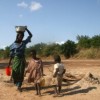
Q&A: Defending Women’s Rights Under New Land Policy
After years of delays, Kenya's cabinet has finally adopted a draft National Land Policy (NLP), which is now awaiting debate in parliament.RIGHTS-UGANDA: Women Press for Domestic Violence Bill
"Man forces wife to breastfeed puppies," screams one headline. "Police boss shoots wife," shouts another; and a third: "Man batters wife over meat". These are typical headlines in Uganda’s newspapers today. Women daily report surviving different forms of violence in their homes: physical, sexual, emotional or even economic abuse.AFRICA: Organic Farming Could be Answer to Food Insecurity
Commercial farmers sometimes fail at organic farming because they switch over too quickly, ditching all chemicals, which is as traumatic for the soil as "a drug addict going cold turkey".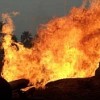
ENVIRONMENT-NIGERIA: Playing With Fire
Nigeria's gas flare-out date has once again been extended - this time to 2011. The decision follows 25 years of political procrastination by the federal government and illegal behaviour on the part of major oil multinationals engaged in flaring associated gas (AG), the byproduct of oil production in the Niger Delta.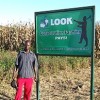
ZAMBIA: Conservation Agriculture Gaining Ground
Not even the least alert of drivers can miss the sign along the busy road 30 kilometres south of Lusaka: "Look, Conservation Farming Pays!"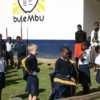
DEVELOPMENT: Social Enterprise in the Swazi Highveld
In 2006, faith-based charity organisation Bulembu Ministries Swaziland took over management of an all-but abandoned mining town, situated on a 1,700 hectares in northwestern Swaziland.
SWAZILAND: Resurrecting Bulembu
In 2005, Bulembu was a ghost town. The once-prosperous mining town's population had fallen from 10,000 to just 100. The beautiful houses that used to accommodate company staff and their families, schools that had been among the best performers in the Kingdom, shops, clinics - all fell quickly into disrepair when the asbestos mine closed.
SIERRA LEONE: Radio Stations Banned
Two Sierra Leonean radio stations have been stripped of their licences. The national regulatory body, the Independent Media Commission (IMC), says the stations failed to comply with the country's media code.
ENVIRONMENT-MAURITIUS: Hold Your Fire
Mauritius appears to have a happy problem with the 400,000 tons of waste it produces each year. The island's only landfill is full and the government must decide whether to turn to incinerating waste - generating electricity in the process - or to compost it, to the benefit of farmers.
RIGHTS-UGANDA: ‘Our Mission is To End Impunity’ – Moreno Ocampo
On a visit to Uganda, Luis Moreno Ocampo, prosecutor for the International Criminal Court (ICC) has again called for joint action by governments in the region to arrest the top commanders of Ugandan rebel group, the Lord's Resistance Army (LRA).
ECONOMY-ZIMBABWE: Government in Two Minds About the Rule of Law
The Zimbabwean government’s international investment conference at the end of last week did little to assuage fears that the country remains far away from re-establishing the rule of law and stopping land invasions.EAST AFRICA: Raising the Bar for Gender Equality
Mention of the East African Community (EAC) usually elicits thoughts about regional trade, but a campaign is under way to use the regional body to promote gender equality.
RIGHTS: No Safe Haven for Ugandan Girls
A year ago, a mother in Kashari County took the law into her own hands and castrated a man she caught raping her seven-year-old daughter.MAURITANIA: First Steps for Women's Cooperatives
In December 2008, a group of young women staged a protest against the common practice of fattening women before marriage, intended to make them more attractive in the eyes of men. The protest did not immediately result in the end of the practice, but it was a landmark event showing a new assertiveness among Mauritanian women in a society where men use tradition and sharia law to maintain their dominance.BOTSWANA: Controversy over Government Loan to Fund Privatisation
Controversy has erupted over a decision by Botswana’s government to accept a loan from the African Development Bank, a departure from over two decades of running Africa’s "model economy" without borrowing.SOUTH AFRICA: Fight Sexism to Help Young Mothers
"My mother was surprised that my breasts were getting bigger, and told me to go to the clinic to take a pregnancy test. The nurses told me I was pregnant and so I cried. I cried because I thought I was too young to have a baby and I thought I wouldn't manage."
HEALTH-MADAGASCAR: Eight Women Die During Delivery Each Day
Eight Malagasy women die per day while giving birth, either due to complications during the pregancny or during delivery, according to a recently-published national Demographic and Health Survey (DHS).
SOUTHERN AFRICA: Floods – Breaking the Cycle
The fourth largest river in Africa, the mighty Zambezi, is a lifeblood to 32 million people, from land-locked Zambia to Mozambique on the Indian Ocean. But its blessing is also its curse.« Previous Page — Next Page »


The Week with IPS

NEXT STOP - SDGs
Tracking global progress towards a sustainable world
Tracking global progress towards a sustainable world
