Languages
Wednesday, November 25, 2026



News and Views from the Global South
Latin America & the Caribbean
VENEZUELA: Alarm over First Contraction of GDP in Five Years
The Venezuelan economy, which has grown steadily for more than five years, contracted by 2.4 percent in the second quarter of this year, heightening fears of stagflation, an unwelcome combination of recession and high inflation.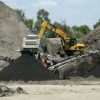
MEXICO: Biological Remedy for Sickened Soil
Mexico is beginning to take on the environmental debts left by the oil industry, applying biological techniques to break down alcohols, solvents, glycerines, gasoline, benzene and acetone, turning them into carbon dioxide and water.SOUTH AMERICA: Uribe Defends US Base Deal from Neighbours
At a special summit Friday in Argentina, the presidents of the Union of South American Nations (UNASUR) questioned the agreement under which Colombia will allow the United States to use seven military bases in its territory.
RIGHTS-COLOMBIA: Justice for Indigenous Leader’s Murder – 21 Years On
One night in February 1988 in the native Nasa territory of Jambaló, in southwest Colombia, soldiers barged into Etelvina Zapata's home and snatched her 21-year-old son, barefoot and clad only in shorts, accusing him of working with the leftwing guerrillas.PERU: Former Minister Should Answer for Massacre in the Amazon
"Did I have a feather on my head and kill the policemen myself?" Mercedes Cabanillas responded when journalists asked her if, as interior minister of Peru, she assumed responsibility for the operation that led to the deaths of 24 members of the police and at least nine indigenous protesters near the Amazon jungle town of Bagua.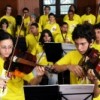
BRAZIL: Music Education Opens Doors to Social Inclusion
"It takes us an hour and 20 minutes to get there. We have to walk, because we can't afford the 30-minute bus ride. But the girls never miss their music classes, not even when they have to go without lunch because they don't have time to eat after school," says their mother, Maria da Cruz.CHILE: Activists Demand Humane Treatment for Women Who Abort
Some 30 members of the Chilean Health Ministry's Consultative Council on Gender and Women's Health have asked the government to enforce a directive ordering humane and compassionate treatment for women who have had an abortion.NICARAGUA: Literacy Goal Met – Further Education Planned
After an intense two-year literacy campaign, Nicaragua has managed to reduce the number of people who cannot read and write to below four percent of the adult population, from nearly 21 percent.
PERU: Rural Highlands Communities Coming Online
Little by little, rural communities in southern Peru are beginning to take advantage of the internet to acquire new knowledge and increase their income. But the use of computers in rural areas faces numerous challenges, from illiteracy to fear of the unknown or questions about the sustainability of these new communications initiatives once they are left in local hands.
Q&A: A Second Chance – As Advocate for Women Migrants in Argentina
In her 48 years, Natividad Obeso has already lived several different lives. There was the time when she lived in her native Peru as a successful businesswoman and mother of four. Then there was the time when she spent her days wandering the streets of the Argentine capital, penniless and alone, a fugitive of political persecution that she never understood.HONDURAS: OAS Mission Hits Dead End
An Organisation of American States (OAS) mission of foreign ministers to Honduras failed to persuade the de facto regime to consider Manuel Zelaya's reinstatement as president.
Q&A: "Regional Cooperation Is the Challenge" for the Economy of Latin America
Exports by Latin America and the Caribbean will fall 11 percent this year – the worst performance since 1937, according to a new United Nations report.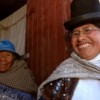
BOLIVIA: Too Many Obligations, Too Few Rights for Aymara Women
Teenage Aymara girls only mature as women in the eyes of their community when they are able to demonstrate great industriousness and knowledge of traditional tasks. But by virtue of that same condition they are denied rights, justice and access to community leadership positions.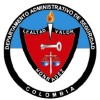
COLOMBIA: From Espionage to Sabotage – and the Dirty War (Part 3)
For decades now, privacy in personal electronic communications has existed only on paper. But the most serious aspect of the espionage scandal that broke this year in Colombia lies in the use given to the information that was gathered.PARAGUAY: Soft, Slow, Shabby Justice
Five years after the tragic fire that destroyed the Ycuá Bolaños supermarket in the Paraguayan capital, leaving a death toll of 400 people, the courts at last confirmed the prison sentences of the four principal defendants, although compensation for survivors and victims' families has still not been decided.LATIN AMERICA: Investigative Journalists Show Their Mettle
"One way of ensuring the future of journalism is to improve content quality, and this means investigating what is deliberately hidden, like corruption," said Gerardo Reyes, a reporter for the Miami newspaper El Nuevo Herald, on a visit to the Peruvian capital.RIGHTS-ARGENTINA: The Unfinished Story of the “Disappeared”
"The night of Oct. 23, 1976, nearly 33 years ago, was the last time I saw my son Pablo. He was 17 years old, and he was terrified. Since then I have had no reliable news about his fate. My family and I have been left at the mercy of the anguished torments of our imagination."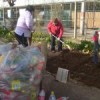
CHILE: The Environmental Fight Starts in Your Neighbourhood
A working-class neighbourhood on the outskirts of the capital, which stood united against the dictatorship of General Augusto Pinochet in the 1970s and 1980s and today is doing so against climate change, is launching the country's first "ecobarrio" project.HEALTH-ARGENTINA: “Buddies” Ease Transgenders’ Hospital Visits
Keeping a hospital appointment in the Argentine capital is a far less fearsome ordeal for transgender persons, a sector of the population that according to doctors had "dramatic" statistics of illness, when they are accompanied by trained health promoters who, like them, have chosen a different gender identity.FILM-COLOMBIA: A Priest’s Passion for Justice
The latest film out of Colombia is based on the true story of a priest in a rural town whose passions include a search for justice in an area that, like so many in this civil war-torn country, is hemmed in by armed groups, whether far-right paramilitaries, leftist guerrillas or state security forces.BRAZIL: Former Environment Minister Shakes Up Political Scene
A likely presidential bid by former Brazilian environment minister Marina Silva, who quit the ruling Workers Party (PT) this week, has shaken up the political scene ahead of the 2010 elections.« Previous Page — Next Page »


The Week with IPS

NEXT STOP - SDGs
Tracking global progress towards a sustainable world

