Languages
Saturday, October 3, 2026



News and Views from the Global South
France
Press Looks at Future After “Charlie”
In the wake of last week’s attack on French satirical weekly Charlie Hebdo that left 12 people dead, a heated battle of opinion is being waged in France and several other countries on the issue of freedom of expression and the rights of both media and the public.
OPINION: The Paris Killings – A Fatal Trap for Europe
It is sad to see how a continent that was one cradle of civilisation is running blindly into a trap, the trap of a holy war with Islam – and that six Muslim terrorists were sufficient to bring that about.
War Knocks on Door of Youth Centre in Zwara
It could be a squat house anywhere: music is playing non-stop and there is also a radio station and an art exhibition. However, weapons are also on display among the instruments, and most here wear camouflage uniform.
OPINION: The Suicide of Europe
The fact that in a referendum Switzerland has taken a path that goes in the opposite direction from that of Europe is an unusual fact which calls for reflection, especially because Switzerland has taken a much more progressive path, while we all were accustomed to see it as a very conservative country.
OPINION: Will There be Peace Between Iran and the West?
In just a few days, a meeting is scheduled that will be decisive for the security of the Middle East and of the whole world.
Children in Aleppo Forced Underground to Go to School
Winter has not yet hit this nearly besieged city, but children are already attending classes in winter coats and stocking hats.
OPINION: The Irresistible Attraction of Radical Islam
The Oct. 23 attack on the Canadian Parliament building by a Canadian who had converted to Islam just a month earlier should create some interest in why an increasing number of young people are willing to sacrifice their lives for a radical view of Islam.
OPINION: The West Prefers Military Order Against History
More senseless bombing of Muslims, more defeats for the United States-West, more ISIS-type movements, more West-Islam polarisation. Any way out?
OPINION: Europe is Positioning Itself Outside the International Race
The new European Commission looks more like an experiment in balancing opposite forces than an institution that is run by some kind of governance. It will probably end up being paralysed by internal conflicts, which is the last thing it needs.Zero Nuclear Weapons: A Never-Ending Journey Ahead
When the United Nations commemorated its first ever "international day for the total elimination of nuclear weapons," the lingering question in the minds of most anti-nuclear activists was: are we anywhere closer to abolishing the deadly weapons or are we moving further and further away from their complete destruction?
OPINION: ISIS Appeals to a Longing for the Caliphate
When, all of a sudden, ISIS (Islamic State in Iraq and Syria) emerged on the scene and in a matter of days occupied large swathes of mainly Sunni-inhabited parts of Iraq and Syria, including Iraq’s second city Mosul and Tikrit, birthplace of Saddam Hussein, and called itself the Islamic State, many people, not least Western politicians and intelligence services, were taken by surprise.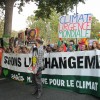
French Add Voice to Global Climate Action
As if to highlight the reality of climate change, the rain came pouring down here as demonstrators prepared to rally for political action to combat global warming.
‘Breaking Silence’ on the Slave Trade
The Oscar-winning film 12 Years a Slave recently generated international discussion about the barbarity of slavery, but it is not alone in the attempt to break the silence around the 400 years of the transatlantic slave trade and to “shed light” on the lasting historical consequences.
‘Fortress Europe’ Closing the Doors to Syrian Refugees
Syrian refugees fleeing the conflict in their home country have come up against a less than accommodating “Fortress Europe”.
Poetry, Politics and the French Far Right
As acclaimed writers arrived in France this week for an international poetry festival, many expressed shock at finding that 25 percent of the country's vote had gone to a far-right party in elections for the European Parliament.
Days After African Leaders Vow to Defeat Boko Haram, Bombings and Terror Continue
Multiple car bombs killed dozens Tuesday in the central Nigerian city of Jos, Plateau state, days after a security summit in France where African leaders committed to a “war” on Nigeria’s Islamist rebels, Boko Haram.Azerbaijan’s Rights Situation Deteriorating, Group Warns
The Azerbaijan government crackdown on civil society has worsened in recent months, human rights campaigners are warning, and activists are increasingly falling victim to official efforts to limit dissent.
Political Wrangling Stymies CAR Peacekeeping Force
Budget constraints in Washington and obstinacy at the highest levels of the African Union (AU) have combined to dangerously delay a possible U.N. peacekeeping mission in the Central African Republic (CAR), according to sources close to negotiations currently underway in New York.
Not Enough Money to Bring Peace to CAR
There are growing concerns that the massive funding crisis for peacekeeping operations in the Central African Republic (CAR) will jeopardise any prospect of restoring stability to the country.
CAR’s Sectarian Strife Worsens Despite French, AU Troops
Reports of horrific revenge killing continued to emerge from the Central African Republic Wednesday, less than 24 hours after the Security Council voted to increase the international troop presence there and levy sanctions against those it suspects of war crimes.
Cameroonians Flee Atrocities in Central African Republic
“We couldn’t stand the violence anymore,” said 27-year-old Baba Hamadou shortly after alighting from a chartered flight at the Douala International Airport earlier this week.« Previous Page — Next Page »


The Week with IPS

NEXT STOP - SDGs
Tracking global progress towards a sustainable world
Tracking global progress towards a sustainable world
