Languages
Friday, October 2, 2026



News and Views from the Global South
From Spanish Wire
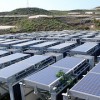
Oil Drilling Threatens Spain’s Renewable Energy Paradise
Environmentalists and local authorities are opposed to prospecting for oil in the waters off the Canary Islands, one of Europe’s leading tourist destinations and an area with great potential in the field of renewable energy.
Argentine Dictatorship’s Torture Continued in Malvinas/Falklands
Former combatants in Argentina who took part in the 1982 Malvinas/Falkland Islands war are waging their final battle: they are trying to get the Supreme Court to classify the brutal mistreatment to which they were subjected by their officers as crimes against humanity.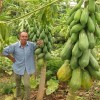
Brazil Defends Credentials as Rio+20 Host
The government of Brazil, which will host the United Nations Conference on Sustainable Development (Rio+20) in June, defended itself from ecologists who lambasted its performance on the environmental front.
Mexico’s Corn Festivals – a Haven from Transgenic Crops
Catalina Salvador, an 87-year-old peasant farmer who grows pumpkins, beans, and above all corn on her small plot of land, was one of the opponents of transgenic crops who took part in the traditional corn festival in San Juan Ixtenco in the central Mexican state of Tlaxcala.
Native Andean Women Weave a Future in Bolivia
Their skill and dexterity in weaving textiles, to be worn on festive occasions or displayed in windows for sale to tourists, have become the mainstay of indigenous women and their families in Cochabamba, Bolivia.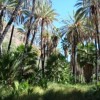
Mexican Oases in Urgent Need of Protection
Mexico’s oases encompass significant environmental, cultural, social and economic wealth that must be properly assessed and preserved, warn experts.Messages of Peace in Colombia
Analysts in Colombia have varied in their degree of optimism, but they generally agree that the release of the last 10 police and military hostages held by the FARC guerrillas, some since 1998, was a peace signal.
The Impact of the Pope’s Visit to Cuba
Pope Benedict XVI’s call for changes in Cuba and the world should also focus on churches, according to members of Cuban civil society who, independently of their beliefs or ideologies, recognised the impact of the pope’s visit to this socialist country.
More Cell-Phones than People, and No E-Waste Treatment in Guatemala
The lack of adequate management of electronic waste in Guatemala is posing a serious threat to the environment and health, as demand for electronic devices has soared to the point that there are more cell phones than people.Argentina Insists On, UK Resists Talks on Malvinas/Falklands
Three decades after Argentine troops disembarked in the Malvinas/Falklands Islands, the government of President Cristina Fernández is pressing Britain to negotiate the sovereignty of the islands, which have been under British occupation since 1833.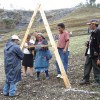
Payments for Environmental Services Skip Rural Women in Mexico
Despite the key role they play in caring for natural resources in the face of climate change, rural women in Mexico do not benefit from payments for environmental services, say activists and experts.
New Generation Protests Crimes of Brazil’s Dictatorship
Outside the Military Club in Rio de Janeiro, where a commemoration of the anniversary of the 1964 coup d'état was being held, hundreds of demonstrators, many of them teenagers, shouted slogans and threw eggs at arriving members in protest.
Displaced Guatemalan Peasants Demand Answers
"We want land where we can live and grow food to feed ourselves," said Pedro Ichich, one of several thousand indigenous farmers who marched to the Guatemalan capital to demand solutions to the ageold conflict over land.
The Downside of China’s Lifeline to Brazil
Over the last decade, China has become Brazil’s main trading partner and source of foreign investment. But this apparent lifeline at a time of global crisis could actually aggravate longstanding problems faced by Latin America’s biggest economy.
Native People in Argentina Demand a Say in Lithium Mining
Native communities in northwest Argentina turned to the Supreme Court to claim their right to be consulted about projects for prospecting and mining of lithium, regarded as the mineral of the future, located under an enormous salt flat.
Spanish Officials Turn Deaf Ear to General Strike
Spain’s centre-right government stood firm and announced that it would not modify the labour reforms that tens of thousands of people protested Thursday in a 24-hour general strike.
Winds of Lent Blowing in Cuba
Debates in civil society, tension with internal opposition groups, demands from outside the country and inevitable comparisons with John Paul II’s visit to this socialist island in 1998 surrounded Benedict XVI’s visit 14 years later to a very different Cuba.ARGENTINA: Lack of Information Raises Risk of Cervical Cancer
A novel research study in Argentina explored women's knowledge and beliefs about cervical cancer, in the provinces with the highest mortality from this highly preventable form of cancer, to design more effective policies.Scientists Claim Their Place in Struggle for Food Security
Weather events such as extreme temperatures and drought caused global agricultural losses of 11.4 billion dollars in 2011, while 12 million hectares of farmland are lost to land degradation every year, and unsustainable agricultural practices contribute to the emission of greenhouse gases.
Petrol Guzzlers Send Venezuela’s Carbon Emissions Soaring
China may be the country that emits the most carbon dioxide (CO2), but oil-rich Venezuela and some of its Caribbean neighbours produce more of this greenhouse gas responsible for global warming on a per capita basis.
Pope Strikes Moderate Tone in Cuba
On his three-day visit to Cuba, Pope Benedict XVI has so far struck a moderate tone, although he called on Catholics in this country to fight with the "weapons" of peace and understanding for an "open, renewed society."« Previous Page — Next Page »


The Week with IPS

NEXT STOP - SDGs
Tracking global progress towards a sustainable world
Tracking global progress towards a sustainable world
