Languages
Saturday, October 3, 2026



News and Views from the Global South
International Cooperation - More than Just Aid

SOMALIA: City in Need of More Aid
The shelling and gunshots, once a common sound in Mogadishu, no longer ring out in the city's streets. The surprise withdrawal on Aug. 6 of the Islamist extremist group Al Shabaab from their stronghold in Mogadishu has meant that people now move about the city, for the first time in two years, without fear of constant attack.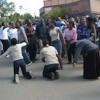
SWAZILAND: Disagreement on How South African Loan Should be Spent
Despite the 2.4 billion emalangeni (342 million dollar) loan from the South African government to its cash-strapped neighbour, Swaziland is sinking deeper into debt.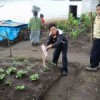
School Gardens Promote Learning While Fighting Hunger
"Yesterday I planted 20 broccoli plants at home. God willing, they will grow and we will be able to eat them," said 12-year-old Juan Francisco Ordóñez, a student at a school in San Cristóbal Totonicapán where a school garden has been established in an attempt to alleviate hunger.
HORN OF AFRICA: U.N. Shares Responsibility in Famine, Experts Say
The United Nations Human Rights Council should accept responsibility, on behalf of the world forum, for the famine spreading through eastern Africa, and should call for member countries' cooperation to overcome the desperate food crisis there, experts said.South Summit of World Leaders in Search of a Venue
The ongoing political turmoil in Libya has derailed plans for a major summit meeting of developing nations scheduled to take place in Tripoli in October.MEXICO: Microloans from Distant Lands a Mouse Click Away
Norma Isela from the city of Piedras Negras in the northern Mexican state of Coahuila needs 500 dollars to expand the merchandise inventory in her business selling shoes by catalogue and to broaden her offer of clothes and accessories. So far she has managed to raise 45 percent of that amount.Water Crisis Offers Chance for Unity over Strife
As record-breaking temperature highs and rapidly melting ice caps fuel fears about impending "water wars", some experts in Washington say that the threat of full-blown conflict is exaggerated, adding that robust institutions and solid treaties could transform water crises into international cooperation.Germany Arms Saudis Against Iran
Germany’s delivery of armoured tanks to Saudi Arabia is not aimed at repressing local or regional popular uprisings, but to improve Saudi military capabilities in a likely war against Iran, diplomatic and military experts say.
‘Participatory Map Vital for Indonesia’s Environment Plans’
Indonesia's ambitious forest conservation and emission reduction plans depend crucially on how soon it can develop a 'participatory map' in which all stakeholders figure.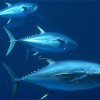
Ailing Tuna Fisheries Hit Hard by Poachers
Miles away from the briny business of tuna harvesting, delegates from around the world gathered in San Diego, California for three days in mid-July to discuss the future of the fishing industry.Washington Urged to Recognise Brazil as Global Power
The United States should recognise Brazil as a global power and treat it accordingly, concluded a major new report issued by the influential Council on Foreign Relations (CFR) here this week.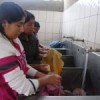
Spanish NGO Recycles Used Oil into Solidarity with Peru
Tons of artisanal soaps made from recycled olive oil are regularly shipped from Spain to Peru, where their sale and use helps finance local development and education for children in poor communities.
BRAZIL: Women in Favelas Broadcast Peace
Local women's voices have begun to be heard over a community radio station now broadcasting in Complexo do Alemao, a clump of favelas or shantytowns on the north side of this Brazilian city that were ruled until recently by armed drug gangs.MIDEAST: Germany to Deliver Weapons to Saudi Arabia
The decision by the German government to deliver 200 state-of-the-art armoured tanks to Saudi Arabia, despite the Wahhabi monarchy’s human rights record and its recent violent intervention in Bahrain to repress the popular rebellion against the local ruling family there, illustrates the rhetorical nature of Western support to the so called Arab democratic spring.INDIA: Unfazed by Nuclear Suppliers’ New Rules
Confident in the large market it offers to the world’s nuclear suppliers, India has decided to shrug off new restrictions by a 46-nation cartel on the transfer of uranium enrichment and reprocessing technologies that potentially have military applications.
DEVELOPMENT: Civil Society Welcomes New FAO Chief
The track record of the newly elected Brazilian chief of FAO is a promise in itself for civil society.CUBA: Microcredit Knocks on Door…Softly
A microcredit system could begin operating in Cuba as part of reforms adopted by the government of Raúl Castro to modernise the country's socialist economic system.
DRUGS: Central America Throws Ball into Consumer Nations’ Court
The leaders of Central America, Colombia and Mexico called on the governments of the world's main drug-consuming countries to play a stronger role in fighting drug trafficking and organised crime by stepping up control of weapons sales and taking effective measures to crack down on consumption.
Second Humanitarian Flotilla Prepares to Sail for Gaza
As the second Freedom Flotilla, made up of some 10 ships carrying 1,000 activists from 20 countries, gets ready to sail for the besieged Gaza Strip, Israeli authorities are stepping up their threats.GUATEMALA: Multi-Partner Alliance Wages War on Hunger
"Now I get supplies to feed my children, and I have a family garden where I grow carrots, onions and beets," Marta Quinilla, a native of Uspantán, an area northwest of the Guatemalan capital that was devastated by the 36-year civil war, says cheerfully.MALDIVES: Mining ‘Smoking Mountain’ of Rubbish for Energy
Most visitors to the Maldives – a string of islands southwest of Sri Lanka – won’t miss the so-called "smoking mountain" made from local residents’ trash as well as the garbage tourists leave behind in resorts nearby.« Previous Page — Next Page »


The Week with IPS

NEXT STOP - SDGs
Tracking global progress towards a sustainable world
Tracking global progress towards a sustainable world
