Languages
Wednesday, October 14, 2026



News and Views from the Global South
Mexico

Locals Risk Their Lives Fighting Mining in Mexico
"They brutally repressed us. The mining company buys off people’s consciences, it divides the community, but we’ll keep fighting it. Some people have had to flee the community,” Rosalinda Dionisio, a Zapoteca indigenous woman in the southern Mexican state of Oaxaca, told IPS, sobbing.
Effective Smog Monitoring Urgently Needed in Mexican Cities
Mexican cities with populations of more than 500,000 face serious obstacles in monitoring air quality and reducing air pollution, but as of July local authorities will be required to do both, and to submit mandatory reports on their efforts to the federal government.
Rural Mexican Communities Protest Wind Farms
"We can't sow our fields, which they have rented for next to nothing. What good do we get out of it?" Guadalupe Ramírez complained about wind farms operating in the southern Mexican state of Oaxaca.
No “Free Pass” for U.S. in Human Rights Film Festival
Stories of struggle can be found all over the world, from a law classroom in Oklahoma and the brutal borderlands between the United States and Mexico to a Bedouin village in Jordan and wedding parties in Morocco, as the 24th Human Rights Watch Film Festival is showcasing.How to Close Latin America’s Rich-Poor Chasm
Latin American governments have increasingly been working to lessen inequality in the region, but new data suggests their efforts vary widely in quality and impact.
Mexico’s Institutions Overwhelmed by Scale of Forced Disappearances
Mexican police officer Luis Ángel León Rodríguez disappeared along with six other officers and a civilian on Nov. 16, 2009, in the western Mexican state of Michoacán. Six days later, his mother, Araceli Rodríguez, began her ceaseless search.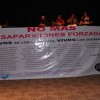
Mexico’s Desaparecidos: Unspoken, Unseen, Unknown
The last time Enrique Rangel heard his brother Héctor's voice was on the night of Nov. 10, 2009, when he called and said “they’re coming, they already stopped me and asked for money, and I already paid, but they’re coming.”
Sex Educators Struggle to Break Taboos
Liberian journalist Mae Azango says she spent a year living “like a bat, going from tree to tree” with her daughter in order to escape religious fanatics who were threatening to kill her for exposing the practice of female genital mutilation in her home country last year.
Forestry Programmes Bogged Down in Latin America
Issues related to the ownership of forest carbon and to prior consultation mechanisms threaten to derail plans for the Reduction of Emissions from Deforestation and Degradation of Forests (REDD+) in some countries of Latin America, according to experts.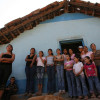
OAS Chief Calls for “Long-Awaited” Debate on Drug Policy
Following the release of a major draft report on drug policy in the Americas, the secretary-general of the Organisation of American States (OAS), Jose Miguel Insulza, called for the beginning of debate aimed at reforming those policies throughout the region.
Insects, from Delicacy to Tool against Hunger
The Food and Agriculture Organisation's recommendation to consider using edible insects as a food source to combat hunger may have particular repercussions in Colombia and Mexico, two Latin American countries that have a tradition of eating insects and a high degree of biodiversity.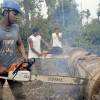
Critics Slam California “Forest Offset” Plan
More than two dozen environmental organisations are urging California Governor Jerry Brown to disregard recommendations from a United Nations task force to include so-called forest “offsets” in the state’s new emissions-trading scheme.
Mexico’s Community Radio Stations Fight for Survival and Recognition
Radio Totopo was founded in February 2006 in the Pescadores neighbourhood, the oldest and poorest part of the city of Juchitán in the southern Mexican state of Oaxaca. But the authorities closed it down in late March, even though Congress is debating a constitutional reform that would recognise community radio stations.
In U.S.-Mexico Relations, a Shift from Security to Economy
Ahead of President Barack Obama’s trip to Mexico and Costa Rica, experts here are expecting that security will take a back seat to issues of economic cooperation between the U.S. and Mexico.Mexico, Strong on Human Rights Abroad, Not at Home
Mexico has been a prominent defender of the Inter-American Commission on Human Rights in the battle being waged by some members of the Organisation of American States to curb its authority.Civil Society Seeks to Influence Mexican Mining Law Reform
Two separate bills to reform Mexico’s mining laws, one from the government and the other from academics and NGOs, agree on the urgent need for major changes in the rules governing the industry.
Task Force Urges Joint U.S.-Mexico Approach to Border
A group of business executives, civil society leaders, policy experts and former government officials from Mexico and the United States are recommending that the two countries expand cooperative law-enforcement efforts along the border.Mexico Mired in Oil Debates
Oil, the symbol of modern Mexico, is once again stirring up local political waters, with turbulent debates on the fate of the state-owned oil monopoly and conflicts over the privatisation of key economic and strategic areas.
Mexican Victims Get Law That “Should Not Have to Exist”
"We will not stop fighting until there is justice for our children," says Araceli Rodríguez, the mother of a young federal police agent in Mexico who disappeared along with seven other people in the western state of Michoacán on Nov. 16, 2009.
Congested and Polluted, Mexico City Embraces Carpooling
In a megacity like the Mexican capital, plagued by air pollution and traffic jams, carsharing and carpooling initiatives offer obvious advantages in addition to the economic benefits enjoyed by users.
Think Tank Urges “More Ambitious” U.S.-Mexican Agenda
The electoral and political stars are aligning in ways that offer the United States and Mexico major opportunities to substantially deepen their cooperation, particularly on trade, energy, and immigration, according to a report released here Wednesday by a special commission of the Inter-American Dialogue (IAD).« Previous Page — Next Page »





The Week with IPS

NEXT STOP - SDGs
Tracking global progress towards a sustainable world
Tracking global progress towards a sustainable world
