Languages
Sunday, November 8, 2026



News and Views from the Global South
Millennium Development Goals (MDGs)
WEST AFRICA: New Vaccine For Mass Campaign Against Meningitis
More than 20 million people will be vaccinated between now and the end of the year in Burkina Faso, Mali and Niger as a mass vaccination campaign using a new conjugate vaccine unfolds across West Africa. Manufactured in India, MenAfriVac offers health authorities a powerful weapon against a deadly disease.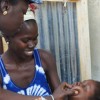
DR CONGO: Lack of Funds Reverses Vaccination Gains
Health officials' fears that insecurity and a lack of resources could lead to fresh outbreaks of preventable diseases are being proved painfully accurate in the Democratic Republic of Congo. Polio - thought to have been eradicated in DRC five years ago - has made a frightening reappearance in Central Africa.
CLIMATE CHANGE: Protesters Say “No” to Climate Market
The short-cuts that the United Nations system is offering companies to profit from strategies against global warming were the target of loud protests on the Day of Action for Climate Justice.SENEGAL: Funding Could Weaken Campaign Against Maternal Mortality
Senegal's efforts to improve maternal health and reduce child mortality are hampered by a lack of health centres and poor care in those that do exist. But the government faces a major financial hurdle in financing the Bajenu Gox initiative - a community health programme intended to address this.SENEGAL: Maternal Care Not Up to the Mark
The Gaspard Kamara maternity centre in Dakar was not especially full on Nov. 25, but the medical staff seemed overwhelmed. Midwives, nurses and gynecologists rushed in all directions dealing with women in difficult labour.
CLIMATE CHANGE: As World Warms, Southern Africa Swelters
Africa will be amongst the hardest hit regions of the world as the climate heats up, threatening the continent's food security, experts agree. If global temperatures rise 2.0 degrees C, southern Africa will warm an additional 1.5 degrees to a 3.5-degree increase on average.CAMEROON: Profits Only a Phone Call Away
These are awkward times for the men in the middle in Cameroon's Western Highlands. A profitable niche buying produce cheaply on farms, and supplying farmers with seed and fertiliser at premium prices has been shattered by the sound of a cellphone ringing.CLIMATE CHANGE: Legislators Seek to Influence Cancun
"And what about after 2012?", when the Kyoto Protocol climate change treaty’s first period of commitments ends, was the question floating around an international meeting of legislators held over the weekend in the Mexican capital.
SOUTH AFRICA: Violence, Exploitation Fail to Dissuade Female Migrants
Since arriving in Cape Town five years ago, Erina Manyene (not her real name) has eked out a meagre living picking up shifts doing laundry and cleaning other people's homes in the city's leafy southern suburbs.
CLIMATE CHANGE: Turning Agriculture From Problem to Solution
Global agriculture contributes in the region of 17 percent to the greenhouse gas emissions that cause climate change, but according to the World Bank, climate smart agriculture techniques can both reduce emissions and meet the challenge of producing enough food for a growing world population.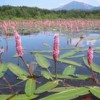
LATIN AMERICA: Biodiversity Superpower Faces Development Dilemma
If Latin America is to sustain continued economic growth, it faces the dilemma of either threatening its rich biodiversity or transforming into a global leader in providing environmental services based on its unique ecosystems.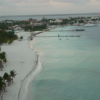
CLIMATE CHANGE: New Forest Agreement – REDD Hot Issue at Cancun
A large number of social organisations are not pleased with the international convention on Reducing Emissions from Deforestation and Forest Degradation (REDD) being negotiated at the COP16 climate summit.
Q&A: “More Women Peacekeepers Is Not the Solution”
For two decades, women around the world have marked "Sixteen Days of Activism Against Gender Violence", which fall between the International Day for the Elimination of Violence Against Women on Nov. 25 and International Human Rights Day on Dec. 10.
UGANDA: ‘Why Waste ARVs on Sex Workers?’
Sex workers, among the populations most at risk of HIV infection in Uganda, say they are yet to realise their right to health.ZIMBABWE: Sixteen Days of Activism Not For All, Say Police
Hundreds of residents from civil society organisations marched in the streets of Bulawayo on Dec. 1 to mark the 16 days of Activism Against Violence Against Women and Girls . But sex workers and members of gay groups were barred by police from joining the demonstration.COLOMBIA: Climate Science Reaching Out for Traditional Farmers’ Wisdom
The wide-ranging knowledge about climate variation possessed by native people and other small farmers, such as the people in one region of Colombia, is almost a perfect match to scientific measurements recorded on high-tech instruments.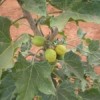
AFRICA: Food Versus Biofuels Debate Continues
"We’re going to Cancún no better off than we were in Copenhagen," said Thuli Makama, the director of Friends of the Earth Swaziland, as she prepared to leave for the climate negotiations in Mexico.LATIN AMERICA: More Education and Cash Transfers Needed to Fight Inequality
As the countries of Latin America and the Caribbean get back on track with the economic growth and poverty reduction they were achieving prior to the global economic crisis, improvements in education and cash transfers to households with children are emerging as key tools to begin to defeat inequality.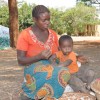
AFRICA: Threat of a Perfect Storm – AIDS and a Fresh Food Crisis
In November, the Food and Agriculture Organisation was just one of many voices warning that food prices have risen to levels last seen at the start of the 2007-2008 crisis. A majority of the countries most exposed to a repeat of that problem are in Africa, where vulnerability to food security is exacerbated by AIDS.
UGANDA: Carbon Finance May Not Benefit Forest Communities
Uganda has lost more than two million hectares of forest since 1990, mostly converted to farmland by a growing population of smallholders. Carbon finance through the REDD programme is often presented as one way to arrest this destruction, but only if the benefits clearly translate to the grassroots.
Gender-Based Violence: ‘Zimbabwe Police Officers Forget Themselves’
Tasha Ncube* has no kind words for the police. Early last month, the 31-year-old mother of two was beaten several times by her husband over what she says were small arguments. This was the first time in a marriage that has gone for years without any such occurrence.« Previous Page — Next Page »





The Week with IPS

NEXT STOP - SDGs
Tracking global progress towards a sustainable world
Tracking global progress towards a sustainable world
