Languages
Sunday, November 8, 2026



News and Views from the Global South
Millennium Development Goals (MDGs)
Zimbabwe Women Make Themselves Heard on Draft Constitution
A parliamentary select committee has begun compiling comments on a new constitution, gathered at 4,000 meetings held across Zimbabwe over the past three months. Gender activists are confident that women's views have been expressed; it will be up to the eventual drafters of the new constitution to ensure they are reflected.
Challenge to Retain Zambia’s Teachers
Zambia's efforts to strengthen its education system will come to little if no way is found to retain skilled teachers like Caroline Chisenga.PERU: After Toxic Mine Spill, Locals Demand Both Jobs and Cleanup
Four months after Peru's worst toxic spill of mining waste, workers at the Caudalosa mine are demanding that it be reopened, while local communities want more cleanup of the rivers they depend on for water supplies.
An Awakening in Nagoya
The international community has finally awoken to the other great trans-boundary challenge of our time, with a new international agreement to halt the unravelling of the web of life that sustains humanity.
CAMBODIA: Access to Drugs A Life Saver for People with HIV
The monsoon rains soaked the ground beneath Mon Hol’s home until it turned to ankle-deep mud. The aged thatched-leaf roof of his hut, badly in need of replacement, provided little protection.
SWAZILAND: Scramble to Meet Shortfall in Food Aid
November will see the World Food Programme launch its Food by Prescription programme in Swaziland, but tens of thousands in urgent need of food aid are set to go without as a donor shortfall restricts assistance.
Haitian Mothers Find Care in Dominican Republic, but Future Is Bleak
In the spacious lobby of the Nuestra Señora de Altagracia maternity hospital, more than a hundred people wait quietly in chairs, overlooked by a 20-foot-high coloured mosaic inset portraying the patron saint of the Dominican Republic.
PERU: New Leftwing Mayor of Lima to Face Uphill Task
When Susana Villarán is sworn in as mayor of the Peruvian capital on Jan. 1, she will face tough challenges, such as a meagre budget for public works, 1.5 million city residents without clean water and a mismanaged nutritional supplement programme.Runaway Global Economy Decimating Nature
One-fifth of all birds, fish and animals are threatened with extinction - as many as six million unique and irreplaceable forms of life – an authoritative new assessment warned Wednesday.
SUDAN: Rape Is Not Adultery
Women in the Sudanese region of Darfur have been raped with impunity since the start of the conflict there in 2003. Now a campaign to reform the rape law is gaining momentum in the country, promoted by Alliance 149, a national coalition born in late 2009.
Brazilian Communities Find Ways to Live in Semiarid Environment
No longer is the image of women trudging through fields carrying heavy water vessels on their heads just a "quaint" scene of Brazil's semiarid northeast, for outsiders.U.S. Aid Shift Envisions Path to Self-Sufficiency
As part of a more general promise of reform to U.S. development policy, the U.S. Agency for International Development is poised to fundamentally alter the way it tackles poverty overseas.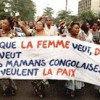
DR CONGO: ‘An Opportunity to Say Never Again’
Civil society in the DRC's eastern province of South Kivu is determined that meaningful action will follow from the publication of the U.N.'s Mapping Project, a report detailing some of the most serious human rights violations by state and non-state actors in the DRC between 1993 and 2003.ZIMBABWE: Failing to Address Schoolgirl Pregnancies
Concern over reports of growing numbers of pupils dropping out of school due to pregnancy has rekindled debate over the link between intergenerational sex and HIV infection among Zimbabwe's youth.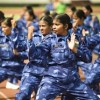
India’s Female Peacekeepers Inspire Liberian Girls
It is break time at the Victory Chapel School in Congo Town. Children dressed in their royal blue uniforms with bright yellow and white trim fight to get under the shade of the only mango tree in the yard. It is the start of the dry season and the scorching sun will soon be almost unbearable to stand in.
Without Investment in Agriculture, Africans Stay Hungry
Inadequate access to water, recurring floods and droughts as well as a lack of political will to invest in small-scale agriculture perpetuate hunger across Africa, the continent’s food security experts say.
NICARAGUA: Machismo Just Isn’t Cool
As he left a workshop in the Nicaraguan capital about gender equality, Alejandro Silva was forced to confront a show of machismo, ironically, with his fists. He was attacked by classmates who taunted him that he was gay.African Govts Urged to Invest in Social Protection
Allocating just one percent of GDP to social protection could make a massive difference to the lives of the continent’s poorest children.
Chinese Aid Bringing Smiles to Sierra Leone Farmers
"I think I am successful now," says Fanta Jabbah. "I am able to take care of my three children and support my husband; now I have a say in my household."
Organic Gardens Feeding People from Argentina to Haiti
Neither hurricanes nor floods, nor the devastating January earthquake or Haiti's chronic political instability managed to wipe out the organic gardening initiative underway in that country since 2005. The seed was planted in Argentina twenty years ago.
LATIN AMERICA: Competition for Best Land Access Projects
Poor indigenous and peasant farmers who have developed initiatives to gain access to land have been invited to take part in a global competition that will award prizes for innovative, effective approaches to the struggle for property rights.« Previous Page — Next Page »





The Week with IPS

NEXT STOP - SDGs
Tracking global progress towards a sustainable world
Tracking global progress towards a sustainable world
