Languages
Sunday, November 8, 2026



News and Views from the Global South
Millennium Development Goals (MDGs)
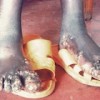
UGANDA: Sand Fleas: Neglected Threat to Primary Education
Jowaali Dhikusoka sits on the side of the road, alone and bored. The twelve-year-old doesn’t play much with the other children in his village because he has trouble walking. His hands and feet are infested with sand fleas, in Uganda commonly called jiggers, which itch and cause him a lot of pain.For Women, Dry Statistics Can Be Power
While women have made strides forward in areas like job market participation over the last two decades, in 2009 only 14 women in the world held the position of head of state or government, and of the 500 largest corporations, just 13 had a female CEO.Migrant Workers in Mexico Left to Hoe Their Own Row
Every year since 1975, Castro Solano has left his home in the town of Tlapa de Comonfort, in the southern Mexican state of Guerrero, to work in other parts of the country as a seasonal farm labourer.GUATEMALA: Spreading Expertise on Integrated Waste Management
Guatemala has more than 700,000 clandestine garbage dumps. But a growing network of public and private sector employees are receiving training in integrated waste management that they in turn pass on to others, as part of a unique cooperation initiative with Mexico and Germany.
Malawi Herbalist Joins Fight Against Deforestation
Decades of shifting cultivation by rural farmers have threatened forests in the district of Karonga in northern Malawi. The loss of forest cover has also threatened the livelihood of Benjamin Kalowekamo, a herbalist who depends on local plants to mix his healing concoctions.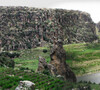
PERU: Neighbouring Regions Clash Over Water Diversion
With one death and several injured to show for it, two regions in southern Peru remain tangled in conflict over water from one of the country's main rivers. A project would divert some of the river's flow from the Cuzco region to neighbouring Arequipa.World Bank Extends Food Crisis Fund
Amidst fears of a recurring food crisis, the World Bank has reactivated its Global Food Crisis Response Programme (GFRP), dedicating up to 760 million dollars to countries at risk of food price volatility.NAMIBIA: Increase Needed in Social Grants for Foster Children
Seventeen-year-old Jason* wants to be a pilot and his 14-year-old foster sister, Gracie*, wants to be a lawyer. In the impoverished district of Rehoboth, south of Windhoek, dreams such as these do not always come true.War Is Hell, Especially for Women
As the United Nations commemorates the 10th anniversary of a landmark Security Council resolution (1325) on the protection of women in war zones, a new study details the successes and failures of a long-drawn-out effort to battle gender-based violence and provide women a key role in male-dominated peacekeeping and peace-building operations.
Q&A: What the U.S. Undid for Women in Iraq
The U.S.-led invasion and then occupation of Iraq brought a sharp setback to the rights of women in that country, UNFPA head Thoraya Obaid tells IPS in an interview.
LATIN AMERICA: Women Peacekeepers Have a Vital Role to Play
In June 2009, Chilean army captain Andrea Fuentes travelled to the city of Cap-Haïtien, in north Haiti, to serve for six months in her country's contingent in the United Nations Stabilisation Mission in Haiti (MINUSTAH).
COLOMBIA: Voices of Women Peace Activists Silenced
"When we women speak out, without showing fear, we pay a high price: living with that fear," says one peace activist in Colombia. "The threats will not stop us from working for peace and social justice," says another.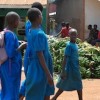
Outcry as Rwandan Govt Shifts Money to Primary Education
In an attempt to meet the development goal of universal access to primary education by 2015, Rwanda’s government has decided to reallocate a large part of its tertiary education budget to the primary education sector.Proposed Pension Bill Outrages Malawi Workers
A draft pension bill has created great concern among workers in Malawi, with some hurriedly seeking early retirement before it will be passed. The bone of contention is a section pegging the retirement age for women at 55 and men at 60.
LATIN AMERICA: And Now For Non-Sexist Education
Women in Latin America have broken down barriers in education, and in several countries have more years of education than men. But the task now is to make sure that education reduces, rather than fuels, inequality between men and women.
ZAMBIA: Widespread Poverty Threatens to Reverse MDG Gains
Civil society organisations warn that unless Zambia addresses its high poverty levels, the strides the country already made in achieving some of the Millennium Development Goals (MDGs) may be reversed.
MAURITIUS: Social Ills Prevail Despite Meeting MDGs
The small island state of Mauritius is the only African country likely to meet all eight of the United Nations’ Millennium Development Goals (MDGs) by 2015 - at least on paper. But its citizens say government could do more to improve livelihoods, gender equality and environmental sustainability.
Millennium Goals Far Off for Mexico’s Indigenous Population
It is unlikely that the Millennium Development Goals (MDGs), a series of anti-poverty targets adopted by the international community, will be met for Mexico's indigenous people, a new United Nations report says.
KENYA: More Men Preventing HIV Transmission to their Unborn Children
Pastor Joseph Muhembeli and his wife, Beatrice, queue at the Vihiga health centre with their six-month-old daughter for their prevention of mother-to-child treatment (PMTCT). But before long, as per the clinic’s policy, the couple are whisked to the front of the line – all because Muhembeli has accompanied his wife for the treatment.CUBA: The Environment Plays the Lead in Low-Budget Cinema
Scientists and experts took on the challenge of sharing their environmental concerns with filmmakers at the Third Thematic Showcase of the Humberto Solás Low-Budget Film Festival in the Cuban capital.
Biodiversity at the Cliff’s Edge
What nature gives us is often taken for granted, but if its basic elements disappear, human life on Earth would not be possible. The mission of the biodiversity summit under way in Nagoya is to reverse the headlong rush towards the precipice.« Previous Page — Next Page »





The Week with IPS

NEXT STOP - SDGs
Tracking global progress towards a sustainable world
Tracking global progress towards a sustainable world
