Languages
Monday, November 9, 2026



News and Views from the Global South
Millennium Development Goals (MDGs)
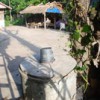
LAOS: Water Headaches Follow Growth of Cities
At 63, Kingkham Duoangsavanh has it made. Now retired after decades of working as a nurse, she lives happily with her grown-up children in a well- appointed home with all the amenities. But up until recently, a constant shortage of water has marred her comfortable existence.Not Everyone in Peru Is Winning “Championship” Against Poverty
The Peruvian government is taking advantage of the broadcasts of the World Cup football games in South Africa to air an ad touting a reduction in the poverty rate from 48 to 34 percent between 2005 and 2009 as an achievement of the administration of President Alan García.LATIN AMERICA: Majority Favours Legalising Abortion – But Not for All Cases
The majority of people surveyed in Brazil, Chile, Mexico and Nicaragua are in favour of legalising therapeutic abortion, but not all forms of elective abortion, according to a study by the Latin American Faculty of Social Sciences (FLACSO).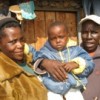
KENYA: Rural Parents Prevent HIV Transmission to their Children
When Samuel Mwangi’s one-year-old HIV-positive son died five years ago, he thought the death of his child also meant the death of his family’s legacy. "I wept. And to the bottom of my heart, I knew that that was the end of my generation," said HIV-positive Mwangi.U.N. Report Optimistic on Anti-Poverty Strides
Despite the ongoing financial crisis, global poverty rates are expected to fall by half in the next five years compared to 1990, according to the Millennium Development Goals (MDG) Report 2010 launched on Wednesday by Secretary-General Ban Ki- Moon.DEVELOPMENT-CONGO: Deforestation Threatens South With Famine
The trees are falling in Pool, and there are plenty of people to hear the sound. In a painful irony, the end of armed conflict in 2003, has signaled the wholesale devastation of forests in this southern region of the Republic of Congo.Raising Water Productivity to Increase Food Security
With water shortages constraining food production growth, the world needs an effort to raise water productivity similar to the one that nearly tripled land productivity over the last half-century.
Argentine Province a Bastion of Opposition to Gender Quotas
Argentina was the first country in the world to adopt a national gender quota law to boost women's political participation. But nearly 20 years later, the legislation that inspired the rest of Latin America continues to run into resistance in one province.Smaller Nations Fear Marginalisation by Elite G20
The 27-member Global Governance Group (3G) is challenging the politically and economically powerful G20 not to marginalise the interests of small and medium-sized countries or undermine the United Nations in key decision-making.
GUATEMALA: Giving Poor Women Entrepreneurs a Boost
Rosenda Gómez, a 53-year-old mother of five, knows all about challenges. To overcome them, she started a modest sausage business in Guatemala, and thanks to her leadership skills and training and other support she received, she is now an example of the economic empowerment of women.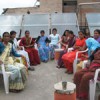
HEALTH-NEPAL: Multiple Problems Mar Fight Against HIV/AIDS
To women who have lost their husbands to the killer AIDS disease, learning a skill to earn a living could be a matter of life and death.BURMA: Public Education a Drain on Family Incomes
Once again, parents in military-ruled Burma are counting the cost of a primary education for their children in public schools. It is an annual ritual that comes with the beginning of a new school year, which coincides with the onset of the monsoon rains in June.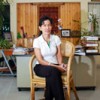
DEVELOPMENT: Cambodia Struggles to Reduce Maternal Deaths
For Chan Theary, a remote, mountainous stretch of land in western Cambodia encapsulates the uphill struggle this South-east Asian nation faces in reducing the alarming number of women who die during pregnancy.HONDURAS: Miskito Women Fight on Nature’s Side
Seven years ago, in the isolated Honduran region of Mosquitia, on the Caribbean coast, a group of women, mostly single mothers, elderly or widowed, overcame their fear and timidity -- thanks in part to a waste recycling project.ARGENTINA: Turning Wasteland into Woodland
In Santiago del Estero, one of the Argentine provinces hit hardest by deforestation and desertification, an oasis of native tree species is being created to restore the soil and entice back farmers who were forced to leave their land.UNDP Unveils Agenda to Spur Anti-Poverty Goals
After an economic assessment of some 50 countries, the U.N. Development Programme (UNDP) has come up with a "concrete action agenda" to accelerate progress towards the achievement of the Millennium Development Goals (MDGs).
MEXICO: Extending the Reach of Safe Abortion
By 5:00 AM, dozens of women are already lined up outside of this clinic in the Mexican capital. Most come with their mothers, sisters, husbands, friends or boyfriends. A few show up alone.EAST EUROPE: Healthcare Ails as Doctors, Nurses Emigrate
Senior medical figures in Eastern Europe have issued stark warnings that the region's healthcare sector is both unstable and unsustainable as health workers continue to leave in droves for jobs abroad.Civil Society Pushes for Action Ahead of MDG Review
As a major high-level meeting on the Millennium Development Goals approaches at U.N. headquarters in September, anti- poverty and human rights activists are stepping up efforts to have their voices heard.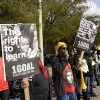
AFRICA: Renewing the Promise of Education for All
The World Cup is wreaking havoc with a key millennium development goal in South Africa: as the football tournament hit its stride, not a single child across the nation attended school.ARGENTINA: Over 40 and Jobless? Click Here
Tired of being sidelined in the job market because he was over 40, an Argentine computer specialist created a labour exchange for people his age and older, which in just a few months grew to nearly 6,000 people.« Previous Page — Next Page »





The Week with IPS

NEXT STOP - SDGs
Tracking global progress towards a sustainable world
Tracking global progress towards a sustainable world
