Languages
Wednesday, November 11, 2026



News and Views from the Global South
Politics
Pakistan Moves to Curb More Aggressive U.S. Drone Strikes, Spying
The Pakistani military's recent demands on the United States to curb drone strikes and reduce the number of U.S. spies operating in Pakistan, which have raised tensions between the two countries to a new high, were a response to U.S. military and intelligence programmes that had gone well beyond what the Pakistanis had agreed to in past years.
CUBA: Today’s Youth, As Diverse As the Times
Mariana García is a child of the 1990s, when Cuba was in the grip of the severe crisis that hit the island after the collapse of the Soviet Union and the East European socialist bloc. She grew up bombarded by the first video games and surrounded by people who talked more about how to get by than about their dreams and ideals.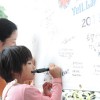
JAPAN: Difficult Shift From Aid Donor to Recipient
April has traditionally been the time for ‘hanami’, or cherry blossom festivals, when millions of Japanese hold parties under the pink flowering trees in parks and streets lit up gaily by lanterns.More Economic BRICS in the Development Wall
As BRICS (Brazil, Russia, India, China and South Africa) leaders prepare for Thursday’s summit in the resort town of Sanya in China’s southern Hainan province, experts here say there are limits to how ‘political’ the grouping can get.
Mexican Women March for Rights, Mourn Slain Activists
For the first time, Mexico has a female attorney general - the highest post ever reached by a woman in this country. But elation at this achievement is overshadowed by grief over the brutal murders of women police chiefs and activists, and the persecution endured by the family of another woman who was killed in 2010.LATIN AMERICA: Boosting Accountability for Mining and Oil Industries
Guatemala has been accepted as a candidate country by the Extractive Industries Transparency Initiative (EITI), which aims to strengthen governance by improving transparency and accountability in the sector, and to reduce tensions between mining and oil companies and local people affected by their activities.
Q&A: U.S. Immigration Reform Mired in Philosophical Differences
As Alabama became the latest U.S. state to approve a tough anti-immigration bill last week, concerns are growing that other states will take a similar path.MIDEAST: War Clouds Back Over Gaza
After several days of intense violence, during which 19 Palestinians were killed and one Israeli wounded, a fragile calm has returned to Gaza. But political commentators argue that this could well be a precursor to Israel’s next war on the coastal territory.Libyan Rebels Reject African Union Road Map
Libya's opposition Transitional National Council has rejected outright the African Union's proposal to negotiate a way out from the country's deepening crisis.COTE D’IVOIRE: Gbagbo Being Held by Ouattara Forces
Cote d'Ivoire's Laurent Gbagbo has surrendered to the forces of presidential claimant Alassane Ouattara and is being held by them, the U.N. has said.
KENYA: ICC Suspects Cautious at ‘Heroes Welcome’
Two alleged organisers of violence around Kenya’s December 2007 elections delivered impassioned speeches during a raucous political rally in Nairobi on Monday, just days after an International Criminal Court judge advised them to refrain from inflammatory language.ARGENTINA: Banking on Women’s Experience
Argentina's president is a woman, Cristina Fernández, and the country has one of the highest percentages of women lawmakers in the world. But women also have other leadership roles, outside the political system.
ELECTIONS-PERU: Humala and Fujimori in Final Stretch
If retired military officer Ollanta Humala wins the Jun. 5 presidential runoff in Peru, he will have to govern with a highly fragmented Congress. And if lawmaker Keiko Fujimori triumphs, her most notable move may be the release of her father, former president Alberto Fujimori, who is serving 25 years in prison.Latin America Logs Largest Increase in 2010 Military Spending
Latin America has displaced traditional high-rollers, including the Middle East and Europe, as the region registering the largest percentage increase in military spending last year, according to a new study released by the Stockholm International Peace Research Institute (SIPRI).New World Development Report Repackages Old Ideas
With over 1.5 billion people living in countries blighted by incessant or recurring violence, the World Bank's annual World Development Report (WDR), with this year's focus on how conflict derails development, was anxiously received Monday by scores of development agencies, governments and NGOs all over the world.CHINA: Social Stability Puts Squeeze on the Rule of Law
There is no "Jasmine Revolution" in China, but the Chinese government might be creating the seeds for one through its elevation of social stability above the rule of law, some experts say.
MIDEAST: Egypt Softens Towards Hamas
Two months since the ouster of longstanding president Hosni Mubarak, Egypt's new transitional government is turning its attention to unpopular Mubarak-era foreign policies - with the ongoing Israeli-Egyptian blockade of the Gaza Strip top of the list.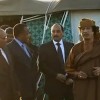
Gaddafi Accepts AU Plan to End Fighting
Muammar Gaddafi, the Libyan leader, has accepted a "road map" for a ceasefire with rebels, according to a delegation of African leaders.Arab Spring at Azerbaijan’s Door
Campaigners are asking the Azerbaijan government to introduce radical reforms early to avoid a popular uprising sweeping the Arab world.BURMA: Military Plays a Civilian-Looking Game
A new quasi-civilian government has taken over in Burma, but diplomats, analysts and pro-democracy activists are dismissing it as nothing more than "old wine in a new bottle".EGYPT: Shia Hope for New Chapter
The political currents that sweep across the Middle East often surge out of Iran, form treacherous eddies in Lebanon and Iraq, then slam into the front door of Ahmad Rasem El-Nafis' apartment in the northern Egyptian city of Mansoura.« Previous Page — Next Page »





The Week with IPS

NEXT STOP - SDGs
Tracking global progress towards a sustainable world
Tracking global progress towards a sustainable world
