Languages
Sunday, August 23, 2026



News and Views from the Global South
SADC
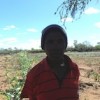
ZIMBABWE: Harvesting Water for Food Security
Earth mounds running across her field hold back the water that Caroline Ndlovu uses to grow maize, pumpkins, beans and watermelons long after the short rainy season in this arid part of Zimbabwe.MALAWI: Power Interconnection Project Costly but Needed
In Malawi’s administrative and commercial capitals, Lilongwe and Blantyre, two things are clear, especially at night: blackouts and the sound of generators in various workplaces.
AFRICA: Bike-Share Systems Already Thrive
One winter morning in central Cape Town, despite the gale force wind and the threat of rain, Jacques Sibomana, who was going to be ‘up and down the city all day’, decided he’d rather cycle than brace against the wind on foot.
MALAWI: Tax on the Poor Is to Compensate for Tariff Revenue Loss
The decision by the Malawian government to introduce value-added tax (VAT) of up to 16.5 percent on products such as bread, meat, milk and dairy products is being blamed for losses incurred by small-scale businesses. The move comes in response to a loss of revenue due to regional trade commitments.
Q&A: “When They Find Out You’re a Lesbian They Refuse to Help”
With homophobia on the rise, large numbers of South African lesbians are being subjected to discrimination and violent assaults. There has also been an increase in "corrective rape" by men trying to "cure" them of their sexual orientation. More than 30 lesbians have been killed since 2006. But most of these crimes go unrecognised by the state and unpunished by the legal system.SWAZILAND: Girls Leave School Because of No Sanitary Wear
After a newspaper that Prudence* (16) used as sanitary wear fell from her while she played with friends at school, she left and never returned.SOUTHERN AFRICA: Reforms First, Elections Later
A new constitution, voters’ roll and electoral law, among other things, have to be in place before elections in Zimbabwe can be held but observers doubt if this can be implemented.
ZIMBABWE: Import of Second Hand Japanese Cars to be Banned
For Mathew Marufu, who has a disabled 10-year-old son, owning a second hand Japanese car has been an ‘answer from God’.
ZIMBABWE: They Live by the Sword, But Should They Die by the Sword?
In her glory days, death-row inmate Rosemary Khumalo (66) lived life dangerously on the edge. She was a sanguinary fortune hunter who would resort to anything, even murder, to land her loot, according to court records of her trial.ZIMBABWE: Beating the Housing Blues
Every month Cynthia Dube and the nine other women from her co-operative make sure they sell enough clothes and appliances to put 100 dollars each in a joint savings. When they have enough money, they will buy each member a plot of land. And eventually they will help each other build their own homes.ZIMBABWE: Rural Women Voting With Their Feet
At independence in 1980, Loyce Tshuma (55), a villager in rural Tsholotsho in Matebeleland North, was a loyal believer in politics as a powerful vehicle to change and better lives. Since then she never missed an opportunity to cast her vote.ZIMBABWE: Cross-Border Traders Don’t Trust Banks With Their Money
A newly available electronic banking service has received a lukewarm reception from cross-border traders in Zimbabwe’s second largest city Bulawayo, despite it alleviating the need to move around with large sums of cash.
SOUTH AFRICA : Women Candidates Struggle in Local Government Elections
Political parties should be forced, through changes in legislation, to bring more women into government.SOUTHERN AFRICA: Little ‘Extraordinary’ About Latest SADC Summit
Inaction marked the Extraordinary Summit of Southern African Development Community heads of state in Windhoek this weekend, despite an agenda covering Zimbabwe elections, political deadlock in Madagascar, the suspension of the regional court and allegations of corruption within SADC itself.
SOUTH AFRICA: Woman Navigating a Tough Political System
Victoria Zanele KaMagwaza-Msibi admits she is no angel. But for 30 years she’s navigated through South Africa’s tough political landscape, mainly as a member of a male-dominated party, and now as the leader of her own political party.
SOUTHERN AFRICA: Afeared of Its Own Tribunal
The Southern African Development Community (SADC) faces several awkward problems at the Extraordinary Summit of Heads of State scheduled for May 20-21.
SOUTH AFRICA : Women’s Issues Missing from Election Manifestos
Come rain or shine, single mother of five, Sylvia Mathebula,* can be found selling fruit and cigarettes at the roadside because it is the only way her family can survive. "Since the government is not helping us with jobs, rather than work as a maid for a white person I decided to start this little business by myself," she says lamenting the lack of opportunities for unskilled women.
SOUTH AFRICA: Do More Women Politicians Mean Better Politics?
The Democratic Alliance (DA) election posters, which feature party leader Helen Zille, Cape Town mayoral candidate Patricia de Lille and party spokeswoman Lindiwe Mazibuko, do not necessarily mean that a vote for the party is a vote for women, analysts say.
DEVELOPMENT-ZAMBIA: ‘Real Changes Needed in Policy and Implementation’
Zambia has enjoyed economic growth of around six percent per year over the past decade, says Patrick Mucheleka, but the government is failing to translate this into social and economic development for the majority of citizens. The upcoming conference on least developed countries in Turkey offers an opportunity to recalibrate the country's approach to development.
AFRICA: Tripartite Free Trade Plan May Repeat Previous Mistakes
With regional wheels rolling to put in place the envisaged grand tripartite free trade area (FTA), questions have arisen about whether it would be viable and increase competitiveness.
TRADE: “A Doha Round Collapse Is a Betrayal of Poor Countries”
"It would be bad news for poor countries in Africa if the Doha Round of trade talks fails. This round was meant to rebalance the rules of world trade in favour of developing countries. We have put a lot of resources and hopes into this process and a collapse would be a big betrayal for us."« Previous Page — Next Page »


The Week with IPS

NEXT STOP - SDGs
Tracking global progress towards a sustainable world
Tracking global progress towards a sustainable world
