Languages
Sunday, October 11, 2026



News and Views from the Global South
Science
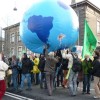
Rio+20 Summit: A Moment That Must Be Seized
The upcoming Rio+20 conference has to be the moment in human history when the nations of the world come together to find ways to ensure the very survival of humanity, many science and environmental experts believe.
ANGOLA: Solar Panels Turning Dirty Water Clean
The brightly painted old shipping container with solar panels on its roof and high-specification filtration devices inside looks out of place in this dusty Angolan village of Bom Jesus, 50 kilometres east of the capital Luanda.
India’s Girl Child Struggles to Survive
At the intensive care unit of the state-run All India Institute of Medical Sciences (AIIMS) hospital in New Delhi, a two-year-old battered baby girl is fighting to survive.
CULTURE-ARAB SPRING: A Revolution Through the Lens
The Arab world is talking about a revolution; not just out on the streets but in films, in newspapers, in songs – using any means necessary to document events, expose the horrors of war and explore the struggles and possibilities that lie ahead as the Arab Spring feels the wintry chill of post-revolutionary democratic challenges.Warming to Ignite the Carbon Bomb
Rising temperatures are drying out northern forests and peatlands, producing bigger and more intense fires. And this will only get much worse as the planet heats up from the use of ever larger amounts of fossil fuels, scientists warned last week at the end of a major science meeting in Vancouver.Trust Deficit – Worst Fallout of Fukushima
Kazuya Tarukawa, 36, left a secure job in the Japanese capital to tend to his family’s organic farm located 100 km away from the crippled Fukushima Daiichi nuclear reactor.LATIN AMERICA: Research Decodes Dialogue Between Rainforest and Water
An alteration of the relationship between the Amazon rainforest and the billions of cubic metres of water transported by air from the equatorial Atlantic Ocean to the Andes Mountains could endanger the resilience of a biome that is crucial for the global climate, warns a recently concluded two-decade research project.PAKISTAN: Political Scandals Rock the Polio Eradication Boat
A knock on her front door throws Beenish, a 28-year-old housewife from Lahore, into a fix: should she allow the female volunteer vaccinators to administer the oral polio vaccine (OPV) to her two-year-old son, or not?Scientists Find Link Between La Niña and the Flu
Weather patterns could have an influence on the spread of epidemics like that of the H1N1 influenza virus, initially known as swine flu, which broke out in Mexico and the United States in 2009.EUROPE-INDIA: Trade Deal Threatens ‘Pharmacy of the Developing World’
Behind closed doors, a trade deal affecting a fifth of the world’s population has been quietly in the works for years.Anti-Drug Vaccines Hold Promise – But Little Profit
Vaccines against drug addiction appear to be a better strategy than the repressive worldwide "war on drugs", but first they must overcome resistance from pharmaceutical laboratories and secure financial backing, scientists say.Cloud Seeding – Uncertain Solution for Mexico’s Drought
As half of Mexico endures one of the most severe droughts in its history, cloud seeding appears to be a promising way to bring desperately needed rain, although it remains a source of controversy.
Social Media Shows Support for Africa’s Oldest Community Station
When a financial crisis threatened the existence of Africa’s oldest community station, Bush Radio, an outpouring of sympathy and appeals went viral on social networking sites like Twitter and Facebook. However, despite this outspoken support that showed that the station is worth saving, its future remains uncertain.Latin America Takes a New Look at Neglected Diseases
The rise of emerging economies in Latin America is an opportunity to improve strategies for fighting neglected illnesses and increase the region's contribution to the global struggle against them, says the regional director of an organisation devoted to this purpose.Spate of Spills at Sea for Brazilian Oil Industry
An accident at an ultra-deepwater drilling platform spilled 160 barrels of crude off the coast of Brazil this week, deepening fears about safety in this new frontier of oil and gas production.Kenyan Chief Tweets His Way to Reducing Crime
Using 140 characters or less, Chief Francis Kariuki in Kenya, has tweeted his way to reducing crime in his and surrounding villages.AFRICA: Miracle Tree is Like a Supermarket
When a food crisis hits the continent, African countries tend to look to the international donor community to mobilise aid. But a fast-growing, drought- resistant tree with extremely nutritious leaves could help poor, arid nations to fight food insecurity and malnutrition on their own.TURKEY: Filtering Out Internet Freedom
Fifteen respected academics from different Turkish universities signed a declaration in Ankara last week protesting recent state regulations restricting access to a variety of websites on ‘moral’ and ‘national integrity’ grounds.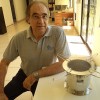
CLIMATE CHANGE: Clean, Efficient Wood Stoves Good for People and the Planet
In his quest to make the most efficient possible use of energy generated through wood combustion, Salvadoran René Núñez developed a simple but highly efficient wood stove that produces no smoke and reduces greenhouse gas emissions by 95 percent.CAMEROON: Stepping Naturally Away from Plastic
Maya Stella, a restaurant manager in the capital of Cameroon, no longer uses plastic to wrap the corn-fufu that she sells to her customers. She now uses banana or plantain leaves instead, because these are "natural and it is our African culture to use leaves in wrapping food."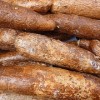
NIGERIA: Not Everyone Pleased with New Vitamin A-Fortified Cassava
Using hybridisation and selective breeding, researchers in Nigeria have developed three new yellow varieties of cassava, a staple crop in much of Africa, which they say will help fight malnutrition caused by vitamin A deficiency in the region.« Previous Page





The Week with IPS

NEXT STOP - SDGs
Tracking global progress towards a sustainable world
Tracking global progress towards a sustainable world
