Languages
Thursday, September 17, 2026



News and Views from the Global South
Troubled Waters

Palau Announces Massive Marine Sanctuary
One of Japan's closest allies declared over the weekend that all of its oceans - more than 600,000 square kilometres - would be a sanctuary for whales, dolphins, dugongs, sharks and other species.Hard to Put a Price-tag on Healthy Rivers
Damming a river may bring electric power, but it often comes at the price of high-quality food fisheries, experts say. When dams are proposed for power, flood control or irrigation, the often devastating impacts on fisheries in rivers and lakes are ignored or discounted.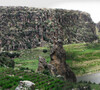
PERU: Neighbouring Regions Clash Over Water Diversion
With one death and several injured to show for it, two regions in southern Peru remain tangled in conflict over water from one of the country's main rivers. A project would divert some of the river's flow from the Cuzco region to neighbouring Arequipa.
Chile Measures Its “Water Footprints”
How many litres of water are needed to produce one kilogram of table grapes? The current effort to measure the "water footprint" of this and other Chilean exports could give us some answers by year's end.Okavango’s Resurgent Floods Test Disaster Management
Despite early warnings about higher-than-usual flooding of the Okavango Delta in 2010, homes, fields, latrines and boreholes in the delta were flooded.
Lesotho Could Beat Drought With Irrigation
Bonang Charles's fields are a richly green rarity in October's parched landscapes along the Phutiatsana River. It's a vivid demonstration of the limited reach of irrigation to Lesotho's small-holder farmers.
JAMAICA: Invasive Lionfish Go From Predator to Prey
Anxious to prevent the collapse of Jamaica's overexploited marine fisheries, the Ministry of Agriculture and Fisheries is promoting the consumption of lionfish to control its burgeoning population. At risk officials say, are the nation's marine biodiversity, its food security and economic well- being.Water, Sanitation Gain Traction as Basic Human Rights
When the 47-member Human Rights Council (HRC) affirmed last week that the right to water and sanitation was a basic human right, the consensus resolution was described as a "historic first" for the U.N.’s premier human rights body based in Geneva.
Paraguayan ‘Jewel’ Lake Loses Its Lustre
Just two months before the austral summer season begins, Lake Ypacaraí, centrepiece of Paraguay's campaign to promote tourism, has become the centre of attention for its polluted waters.WATER-ZAMBIA: Vanished Funds Mean Fields Stay Dry
The M’cheleka Irrigation Scheme was meant to answer water and food security challenges in the Chadiza district of Zambia's Eastern Province. But ten years after the completion of the dam wall, only six families are benefiting from the water.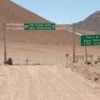
ARGENTINA-CHILE: Citizens Want a Voice in Andean Tunnel Plan
Agua Negra Pass today is an unpaved road that connects Argentina and Chile at 4,800 metres above sea level. But it is only open in the southern hemisphere summer months -- December to March -- and then only to lightweight vehicles.Engineering a Water Crisis in Rivers
Failure to protect and invest in nature has left the world’s rivers in crisis, threatening the water supply of more than five billion people according to a new study. Pollution, dam building, agricultural runoff, conversion of wetlands, and water-works engineering have severely impacting global river systems, the first- ever health assessment of the planet’s riverine ecosystems reported in Nature last week.ARGENTINA: Environmentalists Welcome New Law to Protect Glaciers
Environmental organisations in Argentina are celebrating the passage of a law restricting the extraction of minerals, oil and gas near glaciers, in order to protect these vast freshwater reserves.
Government Under Fire As Cholera Epidemic Rages
This death toll from a cholera epidemic in Cameroon's North and Far North provinces stands at 420, according to public health minister André Mama Fouda. The outbreak of the waterborne disease throws an unwelcome spotlight on inadequate access to clean water and sanitation, particularly in the country’s rural north.
Bonaire’s Resilient Reefs Offer Hope for Dying Corals
Scientists are closely examining the reefs of this island just north of Venezuela to determine why it has escaped the devastation that wiped out 85 percent of the Caribbean's corals since the 1970s.MEXICO: Soaring Bottled Water Use Highlights Mistrust of Tap Water
More bottled water is consumed per capita in Mexico than in any other country in the world, according to a U.S. consultancy -- a fact that alarms non-governmental organisations because it highlights the lack of access to safe tap water.Water Strategy Key to Cities of the Future
A diverse group of more than 4,500 professionals from the water industry gathered here to send a resounding message: a sharp break from past practices of water distribution and wastewater management is needed to cope with the burgeoning population growth in cities and impending water scarcity.Rising Energy Demand Hits Water Scarcity ‘Choke Point’
Meeting the growing demand for energy in the U.S., even through sustainable means, could entail greater threats to the environment, new research shows.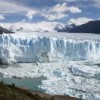
ARGENTINA: Fighting to Save Glaciers as They Retreat
Argentina's glaciers, along with Chile's the most extensive of South America, manifest the damage caused by climate change, while they also face threats from mining and major transportation infrastructure projects. A law to protect them has been postponed yet again.
Locally-Run Protected Areas Could Reverse Fisheries’ Death Spiral
Local fishers objected to the creation of a new no-fishing marine protected area off the coast of Belize in 1996. Today they are benefiting from the bounty of fish spilling out of the Laughing Bird Caye National Park. Tourism has also boomed, illustrating the multiple benefits and value of marine protected areas, according to a new series of reports released Wednesday by Conservation International (CI).Summit Failure on Water, Sanitation Would Be Recipe for Disaster
A weeklong international conference here has transmitted a strong political message to next week's U.N. summit meeting of world leaders: what good is the fight against poverty, hunger, maternal mortality and child deaths if water and sanitation are not given the high priority they deserve?« Previous Page — Next Page »


The Week with IPS

NEXT STOP - SDGs
Tracking global progress towards a sustainable world
Tracking global progress towards a sustainable world
