Languages
Thursday, October 15, 2026



News and Views from the Global South
United States
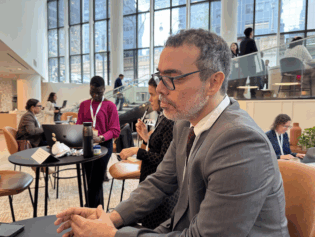
Prioritize Multilateralism to Resolve Iran War Deepening Humanitarian Crisis, Says OSF Vice President
Seven months into the Iran War, threats of further military escalation and stalled efforts to reopen the Strait of Hormuz have heightened fears of worsening humanitarian suffering and wider regional instability.
U.S. Aid Withdrawal for HIV ‘Devastating’
A U.S. decision to cut off funding for HIV projects in South Africa has been condemned amid warnings it could be “catastrophic” for efforts to control the disease in the country.
UN General Assembly Votes for Resolution on ICJ Advisory Ruling on Climate Obligations
Member states this week (May 20) deliberated over a draft resolution on states’ obligations in respect of climate change following the advisory opinion from the International Court of Justice (ICJ). The General Assembly agreed to take measures to uphold the ICJ’s advisory opinion for member states to meet their existing obligations to climate justice under international law and multilateral frameworks.
Humanitarian Response in Lebanon ‘Under Significant Strain’ after Wednesday Airstrikes
On April 8, Israeli military forces launched the deadliest series of airstrikes on Lebanon since hostilities escalated in early March, resulting in the deaths of at least 254 civilians. This latest incident threatens to further complicate humanitarian efforts in Lebanon that are already under immense pressure.
UN Leaders, Diplomats Warn of Middle East Instability Following Weekend Air-Strikes in Iran
The United States and Israel launched a joint military strike on Iran on February 28. Iran followed with military strikes on Israeli bases and on Arab Gulf states, including Bahrain, Oman, and the United Arab Emirates. The realized threat of a new war has caused alarm for the security situation in the Middle East and its impact on civilian populations.
The World’s Ongoing Conflicts Underline Nuclear and Non-Nuclear States
The two current ongoing conflicts, which have claimed the lives of hundreds and thousands of people, are between nuclear and non-nuclear states: Russia vs Ukraine and Israel vs Palestine, while some of the potential nuclear vs non-nuclear conflicts include China vs Taiwan, North Korea vs South Korea and the United States vs Iran (Venezuela, Mexico, Colombia, Cuba and Denmark).
What Next? United States Exits Key Entities, Vital Climate Treaties in Major Retreat from Global Cooperation
President Donald Trump has escalated efforts to further distance the United States from international organizations and entities focused on climate, the environment, and energy. This strategy is in step with his administration’s established approach to undermine and redirect funds and international cooperation away from climate and clean energy programs.
Day Laborers, Trapped in a Complex War Between M25 Rebels and the DRC, Return Home
Fulgence Ndayizeye, a Burundian bicycle taxi driver who used to cross the Congolese-Burundian border every day to support his family, wanted to return home. He and more than 500 other Burundians, including women, men, and children, stranded in Uvira on the border between the DRC and Rwanda, were finally allowed to return to their country on Sunday, December 14, 2025, by M23-Congo River Alliance (AFC) rebels after being stuck in the DRC due to an M23 rebel offensive that had taken the town a few days earlier.
Trump’s Threat of ‘Military Action’ in Nigeria Stokes Religious Tensions
Diplomatic relations between Nigeria and the US have continued to sour after US President Donald Trump threatened 'military' intervention over what some American lawmakers have called “Christian genocide” in Africa’s most populous country.
Defending Democracy in a “Topsy-Turvy” World
It is a bleak global moment—with civil society actors battling assassinations, imprisonment, fabricated charges, and funding cuts to pro-democracy movements in a world gripped by inequality, climate chaos, and rising authoritarianism. Yet, the mood at Bangkok’s Thammasat University was anything but defeated.
Belarus Prisoner Release a Diversion, Say Rights Activists
As Belarusian president Alexander Lukashenko continues to pardon political prisoners in an apparently increasingly successful attempt to improve diplomatic relations with the US, rights groups have warned the international community must not let itself be ‘tricked’ into thinking repressions in the country are easing.
Four Times Rejected: Stateless Lotshampa Refugees Appeal to Nepal’s Supreme Court
Four Bhutanese Lotshampa refugees—Aasis Subedi, Santosh Darji, Roshan Tamang, and Ashok Gurung—filed an appeal in Nepal’s Supreme Court on July 27, challenging a government order that would deport them from Nepal.
U.S. Deported Bhutanese Refugees Cry–‘No Country To Call Home’
Sitting in his small hut in the Beldangi refugee camp in Jhapa district, Nepal, Narayan Kumar Subedi feels relieved that his son, Aasis Subedi, is safe. Aasis is one of four United States deportees who were the subject of Nepal's Supreme Court landmark ruling on April 24, which directed the government not to deport four Bhutanese refugees who entered Nepal in March of this year after being disowned by Bhutan. U.S. Immigration and Customs Enforcement (ICE) deported the four after they had lived in various parts of the United States for nearly a decade.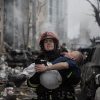
Ukrainians Stress That a Peace Agreement Must Include Justice
After three years of bloodshed, extraordinary courage and immense sacrifices in resisting Russia’s invasion, the people of Ukraine are in limbo as peace negotiations to end the war, instigated by United States President Donald Trump, remain unpredictable.
Tanzanians with HIV Left in Crisis as USAID Funding Ends
At 9 a.m. on Monday, Mariam Msemwa clutched her clinic card tightly as she stood in line at Bagamoyo District Hospital’s HIV Clinic in Tanzania’s coastal region. The 19-year-old had been here many times before, picking up monthly doses of antiretroviral (ARV) drugs that kept her alive. But today was different.When she reached the counter, the nurse flatly told her. “There’s no more free medication, ” she said. “You’ll have to buy it yourself.”
U.S. White House Executive Order Raises Concerns for Its Support to the UN
A new executive order from the United States White House calls for withdrawing support from major UN entities and a review of all international intergovernmental organizations which the United States is a member of. The U.S.’s orders against the UN Palestine Refugee Agency also do not bode well for ongoing ceasefire negotiations in Gaza.
States Individually Accountable For Contributions to Climate Change—Fiji
At The Hague, the United Nation’s highest court heard Fiji, a small island nation, lay out its arguments on the threat posed by climate change and the legal obligations, especially those of developed nations.
Between Harris and Trump, More Doubts Than Certainties for Latin America
Migration, trade, the defence of democracy, the confrontation with China and the collapse of multilateralism are issues that shed more doubts than certainties on Latin America's expectations of the imminent presidential elections in the United States.
The Ups and Downs of Control of Transgenic Crops in Mexico
Mexico has taken important steps to protect native corn, even standing up to its largest trading partner, the United States, to do so. But the lack of a comprehensive legal framework in its policy towards genetically modified crops allows authorizations for other transgenic crops.
Blinken’s Visit to Africa: Is US Counterterrorism Counterproductive?
US Secretary of State Antony Blinken’s week-long tour across four African countries was aimed at strengthening the US-Africa relationship—a relationship, according to some commentators, already waning as China and Russia are increasing their influence.
High Cost of Medical Services Puts Immigrants’ Health at Risk in the U.S.
Getting sick is one of the worst fears facing Jorge, a Salvadoran living in the United States, because without access to health insurance or public health programs, he knows he will not be able to afford the high cost of hospital care.Next Page »





The Week with IPS

NEXT STOP - SDGs
Tracking global progress towards a sustainable world
Tracking global progress towards a sustainable world
