Languages
Saturday, November 7, 2026



News and Views from the Global South
Opinion

Spyware Threatens Press Freedom’s Privacy Imperative
Spyware’s repeated use to target journalists and those close to them poses an existential threat to the privacy required for press freedom to flourish. Without the ability to privately communicate with sources, conduct research, and compile information, journalists are hampered in their ability to keep the public informed and hold the powerful to account.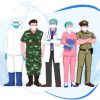
State of COVID-19 in Sri Lanka: Are Government Policies Effective in Controlling it?
The SARS-CoV-2 infection (COVID-19) affected the entire world; many died, millions got sick, and the misery continues. Second and third waves of SARS.Cov-2 infection are devastating most countries.
Sacred Words
is all that you can't say.
Years gone by and still
words don't come easily,
like forgive me, forgive me.
Tracy Chapman
Transparency Offers Pathway to a More Sustainable Earth
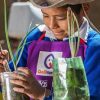
Last week, the world marked Earth Day – an opportunity to put the spotlight on the pressing needs of our planet, in the face of ever-growing impacts by humanity, and galvanize action to change practices and behavior. Yet these issues were not, and cannot be, addressed in a single day. Resolve and action to protect the environment is a 365 days-a-year endeavor.
To Effectively Combat Climate Change, Listen and Act on Ideas from the Youth
Recently, I participated in Kids Climate Summit 2021, a virtual event that gave younger students an opportunity to take a stance on climate change, express their concerns, and learn about global climate and the actions we all can take to mitigate climate change.
US-China Cold War Could Lead to a More Dangerous Nuclear Stand-off
Despite the negotiation of the Treaty on the Prohibition of Nuclear Weapons (TPNW), we are confronted by the increasing dangers of great power war, even nuclear war.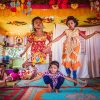
Addressing the Impact of COVID-19 on Infants and Young Children
Conventional wisdom is that the health of young children is not at great risk from COVID-19, but, in the Global South, the space constraints imposed on young children by the pandemic pose a significant risk to the stimulation on which brain development thrives. Early childhood development is further jeopardized by the pandemic’s impact on caregivers.
Pathogens, Public Health, & Political Will: Why Sustained Leadership is Critical
The occasion of World Malaria Day amidst a global pandemic warrants an examination of the intersection between our decades long battle against the world’s oldest known fever and the newest known pathogen fueling a global pandemic.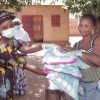
On World Malaria Day, We Must Step Up Efforts to Combat Malaria
Despite its 229 million cases and 409,000 deaths in 2019, malaria is an overlooked epidemic. The emergence of COVID-19 has thrown health systems into disarray and forced countries to shift their focus from malaria to the pandemic response, threatening to reverse 20 years of malaria gains.
Towards a More Democratic & Inclusive UN this International Day of Multilateralism
One of the most recently established international UN days is the day of multilateralism and diplomacy for peace. First observed on 24 April 2019 to promote UN values and to reaffirm the faith of people in the purposes and principles of the UN Charter, the relevance and the irony of this day is obvious.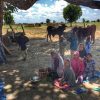
This Earth Day, a People’s Perspective is What is Most Needed
Today marks Earth Day and all around the globe, advocates and activists, concerned citizens and the like will gather to raise awareness about the climate crisis.
Earth Day 2021: Passing On a Cleaner World
Preserving the beauty and wonder of our natural world for future generations should certainly be a goal everyone can get behind. While progress is often stymied by polarizing debates, clean air and water should be a priority for everyone.
Child Trafficking in South Asia Facilitated by Open Borders
The numbers are so staggering that is hardly imaginable striking a positive tone about the situation of child trafficking in Nepal and yet some positive developments are occurring here in a country that soon could be set to graduate from the group of least developing countries.
Another False Start in Africa Sold with Green Revolution Myths
Since the Alliance for a Green Revolution in Africa (AGRA) was launched in 2006, yields have barely risen, while rural poverty remains endemic, and would have increased more if not for out-migration.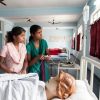
Challenges with Skill Development Programmes During the Pandemic
India’s evolving Technical and Vocational Education and Training ecosystem (TVET) faced many challenges during the COVID-19 pandemic. Because of the national lockdown, organisations had to remain shut for 7-8 months, until September 2020.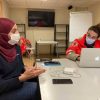
A Growing New Health Crisis Focusing on Emergency Rooms, Medical History & Vaccines
This year's World Health Day on 7 April was an opportunity for three entrepreneurs to share their insights and reflections on a rather complex year due to the health crisis and comment on their experiences developing impactful products and services in this sector.
World Moving Towards a “Devastating Marriage” of Artificial Intelligence & Weapons of War
Landmines are among the most insidious and cruel weapons of all, because they do not distinguish between armed soldiers, civilians or even children.
Global Austerity Alert: Looming Budget Cuts in 2021-25 and Alternatives
Last week Ministers of Finance met virtually at the Spring Meetings of the International Monetary Fund (IMF) and the World Bank to discuss policies to tackle the pandemic and socio-economic recovery.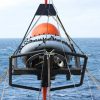
Studying Marine Life’s Brief Break from Human Noise
Travel and economic slowdowns due to the COVID-19 pandemic have combined to brake shipping, seafloor exploration, and many other human activities in the ocean, creating a unique moment to begin a time-series study of the impacts of sound on marine life.
Invest in the Humanity of Those Left Furthest Behind
“To deny people their human rights is to challenge their very humanity,” Nelson Mandela once said. Today, the humanity of 128 million children and adolescents living in countries is impacted by armed conflicts, forced displacement and climate-induced disasters, where virtually every single one of their human rights are being challenged. The most central one, and in all too many cases, their only hope - their inherent right to an inclusive quality education, as enshrined in international human rights conventions - is brutally challenged, if not also willfully ignored or denied.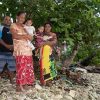
COVID-19 Teaches Us to Better Manage Global Systemic Risks
Millions of lives lost. Trillions of dollars in economic damage. Over 120 million more people pushed into extreme poverty. The human and economic toll of the COVID-19 pandemic is almost unimaginable – a once-in-a-century catastrophe.« Previous Page — Next Page »





The views expressed in these articles are those of the authors and do not necessarily represent the views of, and should not be attributed to, IPS-Inter Press Service

The Week with IPS

NEXT STOP - SDGs
Tracking global progress towards a sustainable world
Tracking global progress towards a sustainable world
