Languages
Friday, November 20, 2026



News and Views from the Global South
Food and Agriculture
BRAZIL: Sugarcane’s Electrical Potential Goes to Waste
Sugarcane could replace the energy produced by three hydroelectric dams like the Belo Monte in the Amazon, claims the Brazilian sugarcane industry, which remains relegated to marginal participation in the national electricity matrix.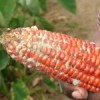
AFRICA: Woman Researcher Tackles Aflatoxin Poisoning*
Despite a bumper harvest of maize just a few months ago, many residents in the eastern part of Kenya are facing hunger and starvation. While granaries in the region may be full, the grain cannot be freely sold, let alone eaten.Price Hikes Trigger Mozambique Protests
September in Mozambique’s capital has begun with violent protests. Thousands have been striking over an increase in the prices of basic goods, including bread. Police responded with force - firing on crowds gathered on the streets in several suburbs and townships in and around Maputo.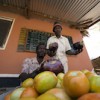
Revolution in African Agriculture Gathering Momentum
As one major meeting on agriculture ends, another begins: farming is truly back on Africa's agenda.Flood-Ridden Pakistan Ineligible For Emergency Debt Relief
A loan deal between the International Monetary Fund (IMF) and flood-stricken Pakistan announced Thursday has drawn the ire of several NGOs that claim the deal represents an "inadequate" and "cynical" response to the disaster that is estimated to have affected the lives of millions.
Uganda Could Become Regional Rice Exporter say Researchers
In a small garden at the Entebbe Botanical garden, about 40 kilometres from Kampala, a few yellowish plants are trying to adapt to their new environment.Funding Begins Flowing for African Agriculture
The Comprehensive Africa Agriculture Development Programme (CAADP) has received a major boost as several countries have begun drawing on funds from a $22 billion pledge made by the G8.
Fisheries Can Play Key Role in Africa
Fisheries contribute at least $10 billion dollars to African economies every year. In countries such as Angola, Egypt and Namibia, fisheries are vital economic drivers.
SOUTHERN AFRICA: Growing Seed Security
Farmer Obed Dlamini, like many of his colleagues from Swaziland, finds it difficult to find quality maize seeds each planting season. Not only are the seeds expensive but they are often not available.VENEZUELA: Hunger Striker Dies in Land Dispute
Franklin Brito, who held several long hunger strikes since 2004 to defend ownership of his farm, became the first Venezuelan to fast to the death.SOUTH AMERICA: Argentine Beef Overtaken by Mercosur Partners
South America's Mercosur trade bloc is becoming established as the top world producer of beef, with 40 percent of the international market. But while in Brazil, Paraguay and Uruguay production and exports are growing, Argentina, the home of the legendary "asado" barbecue, is falling behind.US: Salmonella Outbreak Tied to Factory Farming
As regulators traced the U.S. salmonella outbreak spread by infected eggs back to the hen feed used at two Iowa farms Thursday, many groups are pointing the blame at the factory farm system from which the eggs – and bacteria – came.
AFRICA: Outrage Over Claim that Anti-GM Campaign “Causes Hunger”
Civil society organisations have reacted with outrage to claims that the international campaign against genetically modified (GM) crops is partly responsible for food shortages and food insecurity in Africa.
Mali Nomads Flee Drought
Nomadic communities in northern Mali's desert regions are facing one of the most serious droughts of the last twenty years.
AGRICULTURE-SOUTH AFRICA: ‘There Is No Dignity’
South African farm workers – especially female labourers – continue to be exploited, despite the existence of national labour laws and regulations designed to protect them. But in the absence of information and education about their rights, workers have a hard time claiming them.
ECONOMY: “Sub-Saharan Africa Is Speeding Towards Affluence”
Africa is heading towards a bright economic future, according to a new book co-authored by the former director of the French state agency for economic cooperation and released recently in Paris.
KENYA: A Bid to Save Macadamia Crops
Joseph Ndirangu Muriithi is a worried man. After watching the fall of coffee farming in Kenya a decade ago, he now fears that his other cash crop will also go into decline as a new disease preys on his macadamia trees.
WORLD: Fair Trade Is Growing But Africans Lag Behind
Despite its minuscule share of world trade, fair trade is a booming business, importing certified foodstuffs and products from all over the world to Northern supermarkets. But there is increasing concern that this growth is yet to benefit poor countries in Africa.
SOUTH AFRICA: Climate Change Policy Ignores Women Farmers
When asked if they have already felt the effects of climate change, Mary-Anne Zimri and Katrina Scheepers eagerly nod their heads. The two small-scale farmers say lack of rain this winter has foiled their planting season, ruined their harvest – and drastically slashed their income.ECUADOR: Small Farmers Sell to Government in “Inclusive Markets”
The powerful middleman threatened them: "I hope it lasts for you. I hope the government buys your beans forever, because I don't want you ever coming back to me!"MEXICO: Junk Food Regulations in Schools Fall Short, Consumer Groups Say
What was initially announced as a government ban on sales of junk food in schools has failed to keep fried and sugary foods out of the classrooms to which Mexico's 25 million primary and secondary students returned Monday after summer break.« Previous Page — Next Page »


 Farming on the Outskirts of Juba. Credit: UN Photo/JC McIlwaine
Promoting human and planetary health is a central focus of the United Nations, as laid out in the 2030 Sustainable Development Goals (SDGs). World hunger and unsustainable farming practices continue to be pressing concerns for the world. According to the 2025 State of Food Security and Nutrition in the World report by the Food and Agriculture Organization (FAO), 673 million people faced hunger in 2024. There are stark regional disparities, with the FAO projecting that 60% of the world population facing hunger will reside in Africa by 2030. Globally, the prevalence of food insecurity has remained consistently higher for women than men.
Sustainable and efficient national food systems are essential in preserving health, education, environmental well-being, peace, economy, and security. However, creating sustainable food systems can be a challenging endeavor, as food production takes a heavy toll on the environment. The agricultural sector accounts for a significant portion of greenhouse gases. Finding safe, sustainable, and ethical strategies to feed the world is crucial in ensuring planetary longevity. A recent initiative from 2023, the EU Regulation on Deforestation-free Products (EUDR), seeks to advocate for sustainable food systems. The main driver of deforestation is the expansion of agricultural land used to produce commodities like cattle, wood, cocoa, coffee, etc. The EUDR is part of the 2020 European Green New Deal and the EU Biodiversity Strategy for 2030 and aims to limit Europe’s consumption of products linked with deforestation by requiring that companies prove that their products are deforestation-free. Despite aiming to achieve major strides in sustainability, policies such as EUDR also raise socioeconomic concerns for targeted countries. Many emerging Latin American economies are impacted by the policy, and have raised the question of how developing countries can grapple with the tensions between economic development and advancing sustainability.
IPS has been at the forefront of providing compelling and insightful stories on communities facing hunger as well as the cost of food production. IPS uses statistics from FAO, the World Food Programme (WFP) and the International Fund for Agricultural Development (IFAD) to bring relevant and hard-hitting facts to readers. This gathering of information and data from such organizations helps bring the best stories from IPS journalists working in the different regions in consultation with experts on the ground.

The Week with IPS

NEXT STOP - SDGs
Tracking global progress towards a sustainable world
Tracking global progress towards a sustainable world

