Languages
Thursday, November 19, 2026



News and Views from the Global South
Health
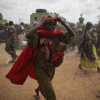
EAST AFRICA: Massive Aid Needed to Stave off Disaster
International donors have given more than one billion dollars to ease the famine in Somalia and elsewhere in the Horn of Africa, but U.N. officials say another billion will be needed to prevent the situation from deteriorating in other areas.
KENYA: Gender Responsive Planning and Budgeting at Work
For the first time ever, the Kenyan finance minister has allocated almost four million dollars, about 3.6 percent of the primary education budget, to provide free sanitary pads to schoolgirls.BRAZIL: Lax Limits on Agrotoxics in Drinking Water
Brazil sets acceptable drinking water limits for 22 different types of pesticides and fertilisers, 13 heavy metals, 13 solvents and six disinfectants. However, these are sometimes exceeded for economic reasons or due to inadequate monitoring.SWAZILAND: Economic Crisis Means Short Supply of ARVs
Swaziland’s economic crisis has affected its ability to provide healthcare as the country’s buffer stock of antiretrovirals (ARVs) has fallen below the prescribed three-month supply.
MIDEAST: Families Cry Out for Palestinian Prisoners
"We could enter the Guinness book of records for the longest running weekly sit- ins in the world," Nasser Farrah, from the Palestinian Prisoners' Association, jokes dryly. Since 1995, Palestinian women from Beit Hanoun to Rafah have met every Monday outside the International Committee of the Red Cross (ICRC) office in Gaza City, holding photos and posters of their imprisoned loved ones, calling on the ICRC to ensure the human rights of Palestinians imprisoned in Israel's 24 prisons and detention centres.Right to Water Still a Political Mirage
When the international community commemorates the first anniversary of a historic General Assembly resolution recognising the right to water and sanitation as a basic human right, there will be no joyous celebrations in the corridors of the United Nations, come Jul. 28.Mentally Ill Suffer Medieval Treatment Across the Globe
A young girl in Somalia sits chained to a tree. Women in the Ukraine wander aimlessly in the halls of a decrepit psychiatric hospital. Those are the startling images in a recent article by a global panel calling the world's attention to the extent and tragedy of hundreds of millions suffering from mental illnesses and who go untreated in the global south.
HEALTH-AFRICA: Improving Sanitation, Still a Long Way to Go
When Callixte Munyabikari, a potato farmer from Gakenke in northern Rwanda, was rushed to a regional hospital after he fell ill with diarrhoea, he thought it was just a bad case of food poisoning.KENYA: Providing ARVs to HIV-Negative People Will Strain Resources
When Lucy Omollo found out that her husband was HIV-positive six years ago, the couple thought the best way to prevent her from becoming infected with the virus was not to have sex.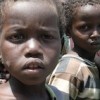
HORN OF AFRICA: Poor Attention to Forecasts to Blame for Famine in Somalia
The world had an opportunity to save thousands of lives that are being lost in parts of Somalia due to the famine, if only the donor community had paid attention to the early warning systems that predicted it eight months ago.U.S.: Coal Ash New Focus of Dispute Over Health Hazards
Survey your surroundings and you'll discover that coal ash - waste from coal burned to produce electricity - is more present in everyday life than you might expect. To name a few places: toothpaste, cosmetics, wallboard, cement, and agricultural and winter de-icing products.
SOMALIA: “Children on the Verge of Death Left Behind to Save Those Who Had a Chance”
Tens of thousands of starving Somalis have made their way to the government- held part of Mogadishu in search of food, but many parents have made the anguished decision to leave a child too weak to make the journey behind in hope of saving the others.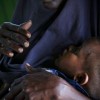
Eleven Million at Risk in Horn of Africa
"I have never seen anything like it. Many mothers have lost three or four children. It's a tragedy out here," Austin Kennan, regional director for the Horn of Africa for Concern Worldwide, told IPS from within the crisis zone.Sanitation Moves Up Global Development Agenda
With nearly 40 percent of the world's population lacking adequate sanitation, the Bill and Melinda Gates Foundation announced an initiative Tuesday to invest 42 million dollars in new grants to help "reinvent the toilet".
U.S.: A Lifesaver That Fits in Your Pocket
How much good can a small red pouch, zip tie and sheet of paper do for someone living on the streets? Turns out, a lot.ZIMBABWE: Mending the City’s Water Leaks
Thomas Njini is used to working with burst sewers and water pipes. It is a daily experience for him to respond to calls where he has to shovel human waste to clear blocked sewers. It is a job he continues to do with unenviable dedication in this city of two million people.
MIDEAST: Alternative Remedies Fall Short in Gaza
"When I came back to Gaza in 2006, before the siege started, people came to me for acupuncture," says Dr. Hisham Mwtoweh, a medical doctor and acupuncture practitioner trained in China and Korea.
HEALTH: Israeli Takes a Step Forward
"One step at a time," this fairy tale says. "Wonders and miracles, these shoes brought me back my life!" For Miriam Gilebsky, walking is no simple thing, it’s an achievement greater than life, like walking on the moon, perhaps. One small step for health is one giant leap when you suffered a stroke.HEALTH-UGANDA: Self Medication Blamed for Increased Drug Resistance
In pharmacies in the heart of Kampala men and women line up to buy drugs that you usually need a prescription for, like Coartem, a drug used to treat malaria.
U.S.: Homeless Fall Through Health Care Cracks
While Americans are taking sides in the ongoing battle about the future of American healthcare, one underrepresented group is especially vulnerable to the change - or lack of change - that may be afoot: the homeless community.
PAKISTAN: Soldiers Pay a Price in War on Terrorism
Army soldier Zaheer Abbas and his squad were hunting down militants in the outskirts of Darra Adamkhel, a town in northwest Pakistan famous for its weapons workshops, when they suddenly found themselves under a surprise volley of improvised explosive devices (IEDs).« Previous Page — Next Page »


 Bangladesh: Sarid, born one month early, receives specialized newborn care and grows stronger every day. Credit: UNICEF/UNI944397/Mojumder
Since the onset of the 2000s, global life expectancy has seen an overall rise, attributed to significant technological and scientific innovations in healthcare. Due to an increased understanding of different conditions as well as a rise in cooperation among healthcare experts around the world, there have been major strides made in ensuring that as few people die from chronic illnesses as possible. Despite the belief that healthcare is a fundamental human right, people from low- or middle-class backgrounds, marginalized groups, and underdeveloped countries have far more limited access to basic healthcare services.
The COVID-19 pandemic showed how marginalized communities are disproportionately affected by health crises, proving that we have much work to do in ensuring that no one dies of terminal conditions. While the global response to the coronavirus saw significant strides in immunization and vaccine development, the global outbreak of mpox in 2022 and its upsurge in parts of Africa in 2024 must remind us to remain vigilant.
Other major disease outbreaks in recent years have been linked to the destruction of infrastructure during warfare. Notably, in 2024, the Gaza Strip witnessed a return of the poliovirus since its eradication in the region 25 years ago. Israel’s blockade on Gaza has resulted in the collapse of the region’s sewage plants and desalination plants, and also destroyed healthcare capacities. The UN stated that this lack of clean water and sanitation would lead to an outbreak of cholera and other deadly infectious diseases. The 2026 OCHA Humanitarian Situation Report confirmed that the over two years of conflict in Gaza has produced a catastrophic health emergency, with millions remaining dependent on relief aid amid tight restrictions and no functioning public health system.
IPS is committed to providing full and comprehensive coverage on healthcare challenges around the world. IPS seeks to address the multifaceted causes of such challenges, including unprecedented pandemics, conflict-driven disease outbreaks, as well as socioeconomic barriers to equal healthcare access. IPS is also dedicated to reporting on innovations in the healthcare industry.

The Week with IPS

NEXT STOP - SDGs
Tracking global progress towards a sustainable world
Tracking global progress towards a sustainable world
