Languages
Friday, October 23, 2026



News and Views from the Global South
Health

Russia’s LGBTQI ‘Propaganda’ Law Imperils HIV Prevention
A new law banning LGBTQI ‘propaganda’ in Russia will further stigmatise LGBTQI people in the country and could worsen what is already one of the world’s worst HIV/AIDS epidemics, critics have warned.
Europe and the Refugee Crisis: It’s all About Tackling Racism & Discrimination
 In 2019, when the President-elect of the European Union (EU) Ursula von der Leyen had presented a list for her soon-to-be European Commission, and on that list was a portfolio called “Protecting the European way of life”, a lot of noise was made questioning what that meant. “Protection” was later changed to the “Promotion” of the European Way of Life. It’s been over three years since this very controversial, much debated and widely criticised portfolio as many continue to question what uniquely is the ‘European way of life’?

Battling the Twin Challenge of HIV and Cervical Cancer
Damaris Anyango* was recently discharged from Kenyatta National Hospital, battling the twin challenge of cervical cancer and HIV. She is 50 years old and was diagnosed with HIV nearly ten years ago.
Working Together for an Inclusive World
ECW works together with governments, UN agencies, civil society and the private sector for an inclusive world where all children with disabilities are able to go to school in safe and accessible learning environments. We work together for an inclusive world where the complex challenges of today offer up the transformative solutions of tomorrow.
Three Ways to End Gender-based Violence
How are the multiple shocks and crises the world is facing changing how we respond to gender-based violence? Almost three years after the COVID-19 pandemic triggered high levels of violence against women and girls, the recent Sexual Violence Research Initiative Forum 2022 (SVRI) shed some light on the best ways forward.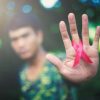
HIV Prevention: New Injection Could Boost the Fight, But Some Hurdles Remain
While the world has focused on the COVID pandemic for nearly three years, less and less attention is being paid to HIV. However, HIV is still a global problem. In 2021, according to the United Nations, 38.4 million people were living with HIV, over 650,000 died from AIDS-related illnesses, and 1.5 million became newly infected.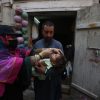
Vaccine Refusal, Floods Impact Polio Drive in Pakistan
Vaccine refusal is impacting the eradication of polio in Pakistan. Pakistan has vaccinated about 35 million children during its door-to-door campaign, but about 500,000 remained unvaccinated due to refusal by their parents, Jawad Khan Polio officer in Khyber Pakhtunkhwa, recorded in 2022 so far.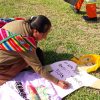
Pandemic Aggravated Violence against Women in Latin America
Violence against women has failed to decline in the Latin American region after the sharp rise recorded during the COVID-19 pandemic, while preventing the causes of such violence remains a major challenge.
Open Veins of Africa Bleeding Heavily
The ongoing plunder of Africa’s natural resources drained by capital flight is holding it back yet again. More African nations face protracted recessions amid mounting debt distress, rubbing salt into deep wounds from the past. With much less foreign exchange, tax revenue, and policy space to face external shocks, many African governments believe they have little choice but to spend less, or borrow more in foreign currencies.
US to Fight Sexual Abuse in International Organizations
The United States, which recently laid down a set of guidelines to monitor sexual exploitation and abuse (SEA) by US citizens in international organizations, including the United Nations and its agencies worldwide, has implicitly accused the UN of faltering on a high-profile case last month.
Peruvian Women Still Denied Their Right to Abortion
No woman in Peru should have to die, have her physical or mental health affected, be treated as a criminal or have an unwanted pregnancy because she does not have access to abortion, said Dr. Rocío Gutiérrez, an obstetrician who is the deputy director of the Manuela Ramos Movement, a non-governmental feminist center that works for gender rights in this South American country.
Ending Gender-Based Violence in a World of 8 Billion
Whether to have children or not is one of the most life-altering decisions a person can make. But as UNFPA’s 2022 State of World Population report shows, people around the world – especially women and members of marginalized groups – are frequently denied any choice in the matter, with partners, relatives, health care providers and even governments making or strongly influencing these decisions.
Three Truths to Address Sexual Exploitation, Abuse & Harassment in the UN
The U.S. Government has recently published 'Engagement Principles' on Protection from Sexual Exploitation Abuse & Sexual Harassment within International Organizations', and while any involvement from Member States is to be encouraged, these principles do not address the fundamental need for either deterrence or for accountability.
In Praise of Toilets
For those who have it, a toilet is that ‘thing’ in the bathroom, next to the bidet, the hand-washing sink with hot and cold water faucets, and the bathtub.
Progress on Tuberculosis Can Be Achieved in Africa
The news in many parts of the world is that tuberculosis (TB) is reclaiming the title of the world’s most deadly infection, even as the COVID-19 pandemic continues to kill an estimated 1,450 people daily around the world. But this is not news to African countries, which are home to one third of the people globally who die from TB, even though they have less than one fifth of the world’s population.
Younger Generation Needed in Efforts to Change the Leprosy Perceptions, Says Miss World Brazil
Deep-rooted discrimination against persons affected by leprosy or Hansen’s disease has marginalized individuals and communities. As social pariahs, opportunities to pursue their dreams are limited because, at best, they live at the periphery of society and, more often than not, are ostracized.
UN Needs a Sea Change in its Handling of Sexual Exploitation & Abuse (SEA)
Calling it “so disappointing and disheartening” in social media on 17 October, Dr. Rosie James, a British medical expert, announced that “I was sexually assaulted by a World Health Organization (WHO) staff tonight at the World Health Summit.”
Lessons from Rome. Weaving Peace Is a Polyphonic Dialogue
Arms are raised, stretched out towards the sky, holding white cards with the word "peace" written in different languages. A girl, a refugee from Syria, reads the Rome’s "Appeal for peace": "With firm conviction, we say: no more war! Let's stop all conflicts […] Let dialogue be resumed to nullify the threat of nuclear weapons.” Pope Francis singed it in front of the people gathered at the Colosseum, holding the word “peace” in their hands, as representatives of the world’s religions did as well. Shortly before, members of those different religions gathered for prayer to invoke peace in their different traditions—a prayer that is “a cry” inside the ancient amphitheater.
COP 15: It’s Time to Decide on a Future
It is no secret that humankind’s past actions have accelerated the deterioration of ecosystems, negatively impacting our economies, societies, health, and cultures. It is estimated that humans have altered over 97% of ecosystems worldwide, to date. One million species are currently threatened with extinction (IPBES). The writing on the wall is clear. Our planet is in crisis. The sobering reality is that if we continue on our current trajectory, biodiversity and the services it provides will continue to decline, jeopardizing the achievement of the Sustainable Development Goals and our lives as we know them. The decline in biodiversity is expected to further accelerate unless effective action is taken to address the underlying causes of biodiversity loss. These causes are often justified by societal values, norms and behaviors. Some examples include unsustainable production and consumption patterns, human population dynamics and trends, and technological innovation patterns.
Anti-Microbial Resistance Strategies Need Urgent Attention to Prevent Unnecessary Deaths in Africa
African countries must find a way of fighting Anti-Microbial Resistance in the healthcare system to avoid unnecessary deaths.
Developing Countries Need Monetary Financing
Developing countries have long been told to avoid borrowing from central banks (CBs) to finance government spending. Many have even legislated against CB financing of fiscal expenditure. Central bank fiscal financing Such laws are supposedly needed to curb inflation – below 5%, if not 2% – to accelerate growth. These arrangements have also constrained a potential CB developmental role and government ability to respond better to crises.« Previous Page — Next Page »





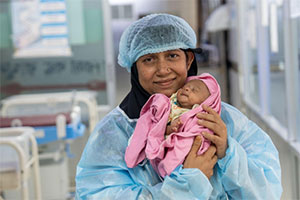 Bangladesh: Sarid, born one month early, receives specialized newborn care and grows stronger every day. Credit: UNICEF/UNI944397/Mojumder
Since the onset of the 2000s, global life expectancy has seen an overall rise, attributed to significant technological and scientific innovations in healthcare. Due to an increased understanding of different conditions as well as a rise in cooperation among healthcare experts around the world, there have been major strides made in ensuring that as few people die from chronic illnesses as possible. Despite the belief that healthcare is a fundamental human right, people from low- or middle-class backgrounds, marginalized groups, and underdeveloped countries have far more limited access to basic healthcare services.
The COVID-19 pandemic showed how marginalized communities are disproportionately affected by health crises, proving that we have much work to do in ensuring that no one dies of terminal conditions. While the global response to the coronavirus saw significant strides in immunization and vaccine development, the global outbreak of mpox in 2022 and its upsurge in parts of Africa in 2024 must remind us to remain vigilant.
Other major disease outbreaks in recent years have been linked to the destruction of infrastructure during warfare. Notably, in 2024, the Gaza Strip witnessed a return of the poliovirus since its eradication in the region 25 years ago. Israel’s blockade on Gaza has resulted in the collapse of the region’s sewage plants and desalination plants, and also destroyed healthcare capacities. The UN stated that this lack of clean water and sanitation would lead to an outbreak of cholera and other deadly infectious diseases. The 2026 OCHA Humanitarian Situation Report confirmed that the over two years of conflict in Gaza has produced a catastrophic health emergency, with millions remaining dependent on relief aid amid tight restrictions and no functioning public health system.
IPS is committed to providing full and comprehensive coverage on healthcare challenges around the world. IPS seeks to address the multifaceted causes of such challenges, including unprecedented pandemics, conflict-driven disease outbreaks, as well as socioeconomic barriers to equal healthcare access. IPS is also dedicated to reporting on innovations in the healthcare industry.

The Week with IPS

NEXT STOP - SDGs
Tracking global progress towards a sustainable world
Tracking global progress towards a sustainable world
