Languages
Sunday, November 29, 2026



News and Views from the Global South
Development & Aid
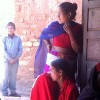
Nepal’s Rural Women Seek Justice
Women in Nepal’s remote rural areas stood shoulder-to-shoulder with their men during the bloody 1996-2006 civil war that overthrew an oppressive monarchy, but many now battle domestic violence at home.
To Hell With Suicide Bombers, Not Heaven
Suicide bombers act in the name of Islam – but clerics deny them even last rites over such killing of others and themselves that they see as un-Islamic.Despite Tsunami, Japan Resumes Aid to Myanmar
Japan’s plan to resume official development assistance (ODA) to Myanmar, announced this week, is problematic for a country faced with a dauntingly large disaster recovery budget for areas hit by the earthquake and tsunami last year.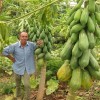
Brazil Defends Credentials as Rio+20 Host
The government of Brazil, which will host the United Nations Conference on Sustainable Development (Rio+20) in June, defended itself from ecologists who lambasted its performance on the environmental front.
Kittitians See Ominous Signs of Climate Change
It is mid-morning and the temperature has already soared to 80 degrees Fahrenheit.European NGOs Put IFIs Under Microscope
European civil society organisations continue to demand that international financial institutions (IFIs) such as the World Bank and the International Monetary Fund apply the same standards of transparency and accountability to their internal affairs that they demand for governments across the world.
Mexico’s Corn Festivals – a Haven from Transgenic Crops
Catalina Salvador, an 87-year-old peasant farmer who grows pumpkins, beans, and above all corn on her small plot of land, was one of the opponents of transgenic crops who took part in the traditional corn festival in San Juan Ixtenco in the central Mexican state of Tlaxcala.
Native Andean Women Weave a Future in Bolivia
Their skill and dexterity in weaving textiles, to be worn on festive occasions or displayed in windows for sale to tourists, have become the mainstay of indigenous women and their families in Cochabamba, Bolivia.
‘Slum Cities’ Need Better Planning
Sri Lanka’s capital city Colombo, the vibrant economic and administrative heart of the bustling island nation, is rapidly turning into a city of slums. Home to over 30 percent of the country’s population, one in every two people living in the Greater Colombo Area is a slum dweller.
OP-ED: The United States as Number Two
Politicians in the United States must ritualistically assert that the U.S. is and always will be the world's leading economic, military and political power. This chant may help win elections in a country where respectable people deny global warming and evolution, but it has nothing to do with the real world.
Tourism Goes Indigenous
As today’s conscientious travellers seek authentic experiences with the people of the lands they visit, tourism can be a vehicle for preserving ancient cultures, while socially and economically empowering marginalised or remote indigenous communities.
Mexican Oases in Urgent Need of Protection
Mexico’s oases encompass significant environmental, cultural, social and economic wealth that must be properly assessed and preserved, warn experts.
Where Men Now Fear to Tread
No man, except for those raised here as children, lives in Umoja village in Kenya; one has not for two decades. It is a village only of and for women, women who have been abused, raped, and forced from their homes.
Latrines Critical to Keeping Kids in South Sudan’s Schools
Before Bor B Primary School built latrines on the school grounds two years ago, students would leave during their first break to head home. Most did not come back until the next morning.
After Ten Years of Peace, “Angola’s Future is Dark”
Angola is celebrating 10 years of peace on Apr. 4. Since the end of its 27-year- long civil war in 2002, the country’s economy has prospered thanks to oil. But experts fear that parliamentary elections later this year could return the country to violence and instability.
Measure Progress in Happiness, Not Money, Bhutan Urges
Which is more important in human life: money or happiness? Can money buy happiness? According to the tiny Himalayan nation of Bhutan, the time has come for the world to pay closer attention to this age-old question.
U.S. Boosts Sudan Aid as Humanitarian Crisis Deepens
In a memorandum released Tuesday, President Barack Obama ordered the State Department to allocate additional humanitarian assistance funds for Sudan as famine looms for thousands of civilians caught between intensified levels of armed conflict along the borders of Sudan and South Sudan.Europe’s Austerity Programme Spawns ‘Lost Generation’
The recent dramatic rise of youth unemployment across Europe – particularly in the Mediterranean member countries of the Eurozone most affected by the sovereign debt crisis and so-called ‘remedial’ austerity programmes – indicates that the continent is sacrificing its future on the altar of short-term budget consolidation.South Africa Looking to Make the Most of BRICS Membership
South Africa needs to stop agonising over whether it deserves to be in BRICS and start focusing on making the most of its membership to leverage better trade deals.Mauritania – Small Steps Towards Ending Female Genital Mutilation
A multi-pronged strategy to end female genital mutilation in Mauritania is making gradual progress, though campaigners acknowledge much remains to be done in a country where more than two-thirds of girls suffer excision.
Q&A: “We Need to Change the Economics of Development”
After Latin America and the Caribbean's "lost decade" of the 1980s, the region has experienced a period of "light and shadow", says Alicia Bárcena, executive secretary of the U.N. Economic Commission for Latin America and the Caribbean (ECLAC).« Previous Page — Next Page »


 2026 High-level Political Forum on Sustainable Development. Credit: UN Photo/Eskinder Debebe
In 2015, the United Nations and its Member States adopted the Sustainable Development Goals (SDGs) in an effort to make the world a more sustainable and peaceful place for future generations. Progress on the 17 SDGs has been uneven, and inequality persists across the globe. 10 years after adoption, the 2025 UN SDGs Report revealed that only 35% of the SDG targets are on track, with more than half moving too slowly, and 18% moving backwards from the 2015 baseline. Poverty remains one of the world’s most pressing issues, with hunger, violence, and inequality impeding the opportunities for all people to achieve success. In September 2024, the United Nations Summit of the Future introduced a new goal: to eradicate global poverty by 2030, ensure universal rights to basic services, and increase the overall standard of living in terms of industrialization, economic well-being, citizen health, and literacy. Furthermore, recent shifts in United States foreign aid policy – notably, major budget cuts to USAID and the termination of thousands of development programmes– have severely threatened vital lifelines of financial aid to impoverished communities around the world. Additionally, the United States’ withdrawal from the Paris Climate Agreement has undercut international efforts at sustainable development. With the upcoming 2030 deadline, the UN Secretary-General has called for urgent multilateralism across six priority areas: food systems, energy, digital connectivity, education, jobs and social protection, and climate and biodiversity. IPS sheds light on marginalized communities that struggle on a daily basis to survive and have their stories heard and respected.
Updated by Yilan Batista and Shuli Wong August 2026

The Week with IPS

NEXT STOP - SDGs
Tracking global progress towards a sustainable world
