Languages
Wednesday, November 11, 2026



News and Views from the Global South
Poverty & SDGs

Tanzania Farmers, Pastoralists Launch Forum to Resolve Water Conflicts
At a remote village of Itunundu in Iringa, farmers and pastoralists recently met to discuss the best way to share land resources while charting out a strategy to prevent unnecessary fights among themselves. No one in the village ever imagined that this meeting would ever take place as the two groups had for long considered themselves enemies: they often clashed for water and pastures to feed their animals thus causing deaths and loss of property.Civil Society to Build Bridges With Private Sector
To successfully implement the UN’s 17 Sustainable Development Goals (SDGs), adopted by world leaders last September, it is time for "Turning Conversations into Action."
Schools are in for Summer
“We are extremely jubilant over the rebuilding of our school that the Taliban destroyed it in 2013, due to which we used to sit without a roof,” Mujahida Bibi, a student of 8th grade in Government Girls Middle School North Waziristan Agency, told IPS.
Central America Makes Uneven Progress in Clean Energy
Over the last decade, Central America has managed to reduce its dependence on fossil fuels for the production of electric power, while expanding coverage. But the progress made by each country varies widely.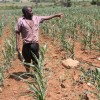
Anti-Retrovirals but No Food
Silindiwe Moyana, an HIV positive mother of five from Chipinge east of Zimbabwe, cannot hide her anxiety. She was worried she might not survive this year as drought-induced starvation stalks her and her family. The country is in the throes of a devastating drought which has compromised the nutrition of people living with HIV.Garbage, Garbage Everywhere, but…
Imagine a river bursting its banks and flooding entire cities and towns. But when the river is made of malodorous garbage and is in Beirut, this is a stark and dramatic situation affecting the city’s 2.226 million people. It all started in July 2015, when the Lebanese administration closed the major landfill of the city. Since then, trash is being piled all over the streets of Jdeideh in Beirut’s northern suburbs. This river of garbage grew steadily, as reported in recent days by a wide section of news media, including Al Jazeera, CNN and Reuters. Thousands of kilometers away in Pakistan, a very similar situation is reported by Dawn.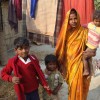
World’s Rural Poor Need Social Protection, Says UN
The success of the UN’s post-2015 development agenda is predicated on one underlying theme: no one should be left behind – and certainly not the world’s rural poor --in the fight to eradicate hunger and poverty by 2030.
Tackle ‘Hidden Hunger’ by Improving Food Systems
Nutrition is complex and multi-dimensional. Micronutrient deficiencies or ‘hidden hunger’ are much more widespread than chronic undernourishment or hunger, understood as inadequate dietary energy. Micronutrient deficiencies refer to the lack of essential vitamins, minerals and other substances required over the human life cycle by the body in small amounts. Micronutrient undernutrition has long-term effects on health, learning ability and productivity, leading to high social and public costs, reduced work capacity in populations due to high rates of illness and disability, and loss of human potential.
Mexico’s Chinampas – Wetlands Turned into Gardens – Fight Extinction
David Jiménez grows two kinds of lettuce and other fresh produce on his “chinampa” or artificial island just under one hectare in size in San Gregorio Atlapulco, on the south side of Mexico City.
Faith Leaders Join the Fight against Child Marriage
Anger is an inner demon that one must have a strong grip on, believes Virayya Shastri - head priest of Maddi Madugu Anjaneya Swamy temple in southern India’s Mahbubnagar district. But mention ‘child marriage’ and the priest finds himself struggling to stay calm. ““Early marriage ruins a girl’s body and scars her mind. There is no way you can call yourself a believer when you support such a thing,” says the priest turned anti-child marriage advocate.
Zika Epidemic Offers Sanitation a Chance in Brazil
Three decades of dengue fever epidemic did not manage to awaken a sense of urgency in Brazil regarding the need for improving and expanding basic sanitation. But the recent surge in cases of microcephaly in newborns, associated with the Zika virus, apparently has.
Malawi’s Refugee Crisis
Imagine fleeing from your home because you feel unprotected by the people who are required to do so by law. And when you get to where you feel safer, the very same people come to persuade your keepers to let you come back with them, claiming you are running away from nothing! Well, this is the situation some 5,800 Mozambican nationals have found themselves in. Hundreds of them, including unaccompanied children, have been fleeing from Tete Province, near the Malawi border, since late last year following renewed fighting between government forces and opposition Renamo fighters.UNDP Pledges to Help Eradicate Poverty, Hunger By 2030
The UN Development Programme (UNDP) celebrated its 50th anniversary this week with a pledge to help implement the UN’s post-2015 development agenda aimed at eliminating extreme poverty and hunger by 2030. When the agency was founded in 1966, one in every three people was living in poverty. But that number has changed to one in eight, according to UNDP figures.
Fall in Commodity Prices Rings Alarm Bells in Papua New Guinea
Resource-rich Papua New Guinea (PNG) is seen as an economic powerhouse in the Pacific Islands with a state-led focus on resource extraction initially expected to drive one of the world’s highest growth rates of 15 per cent last year. But in the wake of falling commodity prices, GDP growth has plummeted from 8.5 per cent in 2014 to a forecasted 3 per cent this year. As the government faces a growing deficit between revenue and expenditure, exacerbated by high public debt, experts in the country believe greater efforts to diversify the economy are essential.
UNDP at 50 Seeks Broad Coalition Targeting Sustainable Development
Fifty years ago, one in every three people around the world was living in poverty. It was against that backdrop that the United Nations Development Programme, UNDP, was founded in 1966. Ever since, UNDP has been a leader in working for a more fair and prosperous world for all. We have worked with governments, civil society, the private sector, and philanthropy to empower people and build resilient nations.
Uneducated Women Entrepreneurs Defeat Poverty
Maryam Yousuf, 50, gently washes her hands under a common tap outside her house in Saida Kadal, a grassy middle-class locale encircled by the famous Dal Lake in Srinagar, Kashmir’s capital. She puts on a Pheran, the traditional long loose gown, and holding a large steel bucket walks towards a dimly-lit cowshed, made up of wooden shingles, in a corner of her home backyard. Nearby, children are playing cricket, flaunting wooden sticks as bats, and a flock of chicken cluck and nibble at left-over vegetables.
World Leaders Agree to Save the Planet – Now It’s Time to Actually Do It!
The day, 12 December 2015 was historic. Following decades of negotiations, countries agreed to sign the first global, legally binding climate agreement.
El Salvador Pension Reform Could Take Women into Account
El Salvador is debating reforms of the country’s privatised pension system, which could introduce changes so that it will no longer discriminate against women.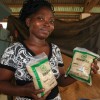
Rice: Africa’s Ticket Out of Poverty
Africa is eating more rice than other food staples, though it produces less than it needs. This is good news for the cereal's potential to help Sub Saharan Africa out of poverty according to researchers. Rice is the second most important source of calories in Sub-Saharan Africa, according to the Africa Rice Center (AfricaRice), a research organisation working to contribute to poverty alleviation and food security.
Latin America’s Indigenous Peoples Find an Ally in the Pope
“We want Pope Francis’ message to come true…We want the rights of indigenous people to be supported, respected and strengthened,” Yuam Pravia, a representative of the Misquito native people, said in this city in southern Mexico.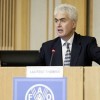
ACP countries unite on empowerment of rural women and youth
Women make up, on average, over 40 percent of the agricultural labour force in the developing world and yet typically they do not have sufficient access to critical resources and services to become as productive as their male counterparts. In fact, across all regions, rural women and girls continue to face significant discrimination compared with men and boys, with women being more likely than men to hold poor quality jobs and benefit less from agricultural value chains.« Previous Page — Next Page »





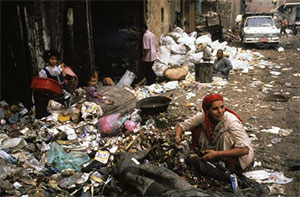 Romani people in Cairo, Egypt, forage through trash. Credit: UN Photo/Armineh Johannes
In 2015, the United Nations adopted the Sustainable Development Goals (SDGs) in an effort to promote “peace and prosperity for people and the planet.” To achieve that goal, it is essential to provide equal opportunities and access to basic services to all people. The 2025 UN SDG Report found that 35% of the 169 SDG targets are on track or making moderate progress, while 18% have reversed compared to the 2025 baseline. One in ten people still live in extreme poverty, one in eleven experience food insecurity, and over 1.1 billion people live in slums without access to clean water and sanitation. It is imperative to acknowledge the societal, technological, economic, and political issues that sustain poverty in countries around the world. Eradicating poverty will require significant frameworks in policy and governance on a national and international scale to ensure that all people will have equal access to basic services and economic opportunities by 2030. Furthermore, a dramatic reduction of United States foreign aid in 2025, including the termination of 83% of USAID programmes, threatens to erode years of fragile development gains.
Throughout the world, violent conflict and natural disasters also contribute to extreme poverty. The complete destruction of infrastructure and blockage of aid has significantly impoverished Palestine since October 7th. The destructive impact of Hurricane Maria in Puerto Rico left $91 billion in damage. An inadequate US government response also revealed significant and enduring questions within the issue of mitigating poverty: how do we rebuild infrastructure after its destruction? How do we restimulate economic development and bring in financial aid after disasters? Similar questions have been raised in the realm of regional cooperation, as devastating floods have wrecked hundreds of thousands of homes across multiple Southeast Asian nations in the past few years. Furthermore, the COVID-19 pandemic has greatly exacerbated the global poverty crisis, particularly in developing countries, setting back the United Nations goal of eradicating poverty by 2030.
IPS is committed to providing comprehensive features that focus on the persisting environmental, sociopolitical, and systemic issues that sustain poverty, and the steps taken worldwide towards poverty eradication.

The Week with IPS

NEXT STOP - SDGs
Tracking global progress towards a sustainable world
Tracking global progress towards a sustainable world

