Languages
Sunday, November 8, 2026



News and Views from the Global South
Editors' Choice

Bushfires Hasten the Death Knell of many Australian Native Animals and Plants
The chatter of cockatoos and lorikeets has given way to an eerie silence in smoke enveloped charred landscapes across south-eastern Australia. The unrelenting bushfires have driven many native animal and plant species to the brink of extinction and made several fauna more vulnerable with vast swathes of their habitat incinerated.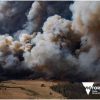
Australia’s Wildfires Part of a Vicious Cycle of Food & Fire
“Unprecedented.” “Hell on Earth.” “Catastrophic.” In Australia, these terms are being used to describe 17.9 million acres of burned land so far. While fires of this magnitude are certainly unprecedented, they’re far from unexpected.
India and Japan’s MPs Act Quickly to Implement Sexual and Reproductive Health Plans after ICPD25
Parliamentarians from India and Japan have hit the ground running by acting soon after the recent Nairobi Summit on International Conference on Population Development (ICPD25).
Iran Announces New Nuclear Deal Breach
Iran announced its fifth breach of the 2015 nuclear deal Jan. 5, stating that it “discards the last key component of its operational limitations” put in place by agreement.
Does Africa’s Food Future Really Lie with Young Farmers?
Africa will starve or survive on expensive food imports because it is not growing new farmers, research shows. And the challenge remains among researchers, policy makers, public and private sector actors to get African youth interested in agriculture on a continent where a growing number of people go to bed hungry every night.
Australia’s Bushfires Bring Mounting Pressure to Reduce Greenhouse Gases
As nature's fury wreaked havoc across Australia, reducing to ashes all that came in its way - people, flora, fauna, picturesque historic towns and villages once popular with local and overseas tourists – it was unlike anything the country had witnessed before. The staggering scale and intensity of the devastation could best be summed up as apocalyptic.
Women’s Groups Applaud Gender Action Plan Following COP 25
After nearly two weeks of negotiations at COP 25 climate negotiations in Madrid last month (2-13 December), governments will be adopting a new 5-year Gender Action Plan (GAP) that progressively builds upon the first GAP, and works to address many of the concerns raised by women and gender groups at the Framework Convention on Climate Change (UNFCCC), including calls for greater focus on implementation and scaling up gender-just climate solutions.
Not all Trade is Good – the Case of Plastics Waste
Currently, approximately 300 million tons of oil-based plastic waste are produced every year. A significant amount of plastic waste ends up in the oceans, having a detrimental effect on marine ecosystems and coastal communities. Most of this waste originates from the Asia-Pacific region.
India’s Citizenship Law Triggered by Rising Right-Wing Ideology
“Fire bullets at the traitors of the country,” chanted mobs of Bharatiya Janata Party, or BJP, supporters wrapped in Indian flags in Delhi last week.
Plastic: The Largest Predator in Our Oceans
Plastic pollution is currently the largest global threat to marine life. Each year, 10-20 million tonnes of plastic ends up in our oceans, killing approximately 100,000 marine mammals and over a million seabirds.
UN Chief Warns of Rising Misogyny, Xenophobia, Discrimination, Racism & Hate Speech
As we prepare to bid farewell to 2019, we must take a clearsighted look at the global situation and the new challenges we face. Our world is undergoing a shift. It is no longer bipolar or unipolar. But it is not yet truly multipolar. Balances of power are changing, creating new and dangerous risks.
Q&A: Initiative Starts Mental Health Sessions for Bangladeshi Garment Workers
Nearly seven years ago, garment workers in Bangladesh were victims of one of the gravest man-made disasters in history -- a factory collapse that left more than 1,100 workers dead, and rendered thousands with injuries -- in many cases lifelong ones. For many of the workers from Rana Plaza, the trauma remains real even to this day.
Lithium and Clean Energy in Argentina: Development or Mirage?
The intense white brightness of the salt flats interrupts the arid monotony of the Puna in northwest Argentina, resembling postcards from the moon. Beneath its surface are concealed the world's largest reserves of lithium, the key mineral in the transition to clean energy, the mining of which has triggered controversy.
Madrid Talks End Without Agreement on How to Finance Recovery from Climate-Related Atrocities
Millions of people, particularly in Africa, who lose their property, homes, and even die due to climate-related disasters will have to wait at least another year for the international community to agree on a means of supporting them.
How to Recognise Nigeria’s Trafficked Kids
 What is human trafficking and child trafficking? IPS correspondent Tobore Ovuorie takes to the streets of Lagos to find out what Nigerians know about this crime. The answer was, surprisingly, very little. Ovuorie also speaks to experts about how to identify kids who have been trafficked and what ordinary citizens can do about it.

Haiti’s Cry for Help as Climate Change is Compared to an Act of Violence against the Island Nation
Haiti’s Environment Minister Joseph Jouthe has compared the climate emergency to a violent act and appealed to the international community for help to fight climate change.
How Climate Change is Fuelling Insurgency of Nigeria’s Militant Boko Haram

Experts say climate change is a key factor fuelling the insurgency of the armed group Boko Haram. The insurgency, which is aimed at creating an Islamic State in North East Nigeria, is responsible for one of the worst humanitarian crisis in the world.

Commonwealth: Commit to Limit Global Warming or Face Irreversible Impacts
Commonwealth countries, including those in the Caribbean, continue to push for more ambition, following reports that a few very influential parties have stymied efforts to respond to the climate emergency.
Why Africa is Seeking Special Considerations on Climate Finance
As the 25th session of climate negotiations draw to an end this week, the African Group of Negotiators (AGN) have been calling on the world to consider the continent as a special case in terms of implementation of the Paris Agreement and climate finance.
The World had an ‘Unprecedented’ Number of People in Humanitarian Need this Year
The world had an unexpected number of people in crisis this year, which exceeded projected numbers the United Nations had expected, with climate change being one of the key crises that led to “needs to unprecedented levels” according to a new report.
Social Summit Demands Stronger Commitments in Climate Talks
As the COP25 deliberations enter the decisive final week, representatives of environmental and social organisations gathered in a parallel summit are pressing the governments to adopt stronger commitments in the face of a worsening climate emergency.« Previous Page — Next Page »





The Week with IPS

NEXT STOP - SDGs
Tracking global progress towards a sustainable world
Tracking global progress towards a sustainable world
