
Wednesday, July 1, 2026



News and Views from the Global South
Climate Change

Exclusive: Mauritius’ First Female President on Why We Need Science Diplomacy to Address Major Challenges
If we want to address the great challenges this world is facing, we have to factor in science into all our narratives, according to Dr. Ameenah Gurib-Fakim, the first woman president of Mauritius and renowned biodiversity scientist.
– UN Blueprint that Could Urgently Solve Earth’s Triple Climate Emergencies –
On the occasion of World Environment Day, 5 June 2021, drawing from IPS’s bank of features and opinion editorials published this year, we are re-publishing one article a day, for the next two weeks. The original article was published on February 19 2021
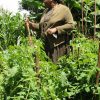
County Climate Risk Profiles Critical and Timely for Kenya’s Struggling Smallholders
Peris Wanjiku, a smallholder farmer in Othaya, Nyeri County, which lies approximately 152 kilometres from Kenya's capital, Nairobi, has watched as her fellow farmers have slowly started to sell off their land in the face of increasingly erratic weather patterns.
– Successful Crop Innovation Is Mitigating Climate Crisis Impact in Africa –
On the occasion of World Environment Day, 5 June 2021, drawing from IPS’s bank of features and opinion editorials published this year, we are re-publishing one article a day, for the next two weeks. The original article was published on February 17 2021
– Jamaica Failing to Cope with Plastic Waste –
On the occasion of World Environment Day, 5 June 2021, drawing from IPS’s bank of features and opinion editorials published this year, we are re-publishing one article a day, for the next two weeks. The original article was published on January 20 2021
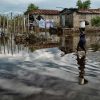
Climate Crisis: Elephants in the Room are Getting Nastier
The year 2020 will forever be notorious for the COVID-19 pandemic but it might also be known by historians for a precipitous rise in second order climate change consequences -- a new elephant in the room.
Q&A: On the Frontline, Islands Aim to Seize Climate Initiatives
The “all-virtual” Latin America and the Caribbean Climate Week (LACCW) that took place May 11-14 highlighted islands’ particular vulnerabilities in the face of both climate change and the Covid-19 pandemic. But the event - hosted by the Dominican Republic - also provided “important momentum for a successful UN Climate Change Conference” (COP 26) in November in Glasgow, according to the United Nations.
Women Leading Somalia’s Health System
Somalia is one of the most complex regions of the world, with threats and political instability, extreme weather conditions, movement of internally displaced people (IDPs), decades of conflict, poverty-related deprivation, poor health and communicable diseases that are killing people. There is a constant risk of gender violence making women, children and members of minority groups particularly vulnerable, and more so during displacement or while seeking work. Three decades of civil war and instability have weakened Somalia’s health system and contributed to it having some of the lowest health indicators in the world. The COVID-19 pandemic has added yet another strain on its tremendously fragile infrastructure presenting unexpected challenges and dilemmas.
Africa’s Worsening Climate: Here’s How the United States can Help Africa
Recently, I participated in a Congressional hearing on the “Effects of climate change in Africa”, before the House Foreign Affairs Subcommittee on Africa, Global Health, Global Human Rights, and Internal Organizations, chaired by Congresswoman, Karen Bass.
Latin America & the Caribbean Assess Climate Ambition and Action Ahead of COP26
The Dominican Republic opened the 2021 virtual Latin America and the Caribbean Climate Week with a pledge to increase the country’s climate ambition by reducing its greenhouse gas emissions by 27 percent and maintaining progress towards climate neutrality according to the goals of the Paris Agreement.
Bridging the Digital Divide Will Save Our Planet
Data, analysis and information are essential building blocks in our race to save humanity from the clear and present risks posed by the climate crisis.
CORRECTED VERSION: Struggle for the Future of Food
Producers and consumers seem helpless as food all over the world comes under fast growing corporate control. Such changes have also been worsening environmental collapse, social dislocation and the human condition.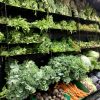
UN Banks on Water as the ‘Game Changer’ in Food Production and Consumption
As the United Nations prepares for its solutions-based Global Food Systems Summit in September, officials say resolving issues around water scarcity, pollution and wastage is crucial transforming food production and consumption.
Why Experts are Saying It’s a ‘Make or Break’ Moment for Forests
A new global report on forests says that while the COVID-19 pandemic is the latest threat to achieving ambitious forest protection goals, it has brought the importance of forests to global well-being into sharp focus, and that this recognition must now be met with collection action.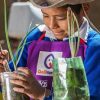
Transparency Offers Pathway to a More Sustainable Earth
Last week, the world marked Earth Day – an opportunity to put the spotlight on the pressing needs of our planet, in the face of ever-growing impacts by humanity, and galvanize action to change practices and behavior. Yet these issues were not, and cannot be, addressed in a single day. Resolve and action to protect the environment is a 365 days-a-year endeavor.
To Effectively Combat Climate Change, Listen and Act on Ideas from the Youth
Recently, I participated in Kids Climate Summit 2021, a virtual event that gave younger students an opportunity to take a stance on climate change, express their concerns, and learn about global climate and the actions we all can take to mitigate climate change.
Youth Demand Action on Nature, Following IUCN’s First-Ever Global Youth Summit
Following almost two weeks of talks on issues such as climate change, innovation, marine conservation and social justice, thousands of young people from across the globe concluded the first-ever International Union for Conservation of Nature’s (IUCN) One Nature One Future Global Youth Summit with a list of demands for action on nature.
This Earth Day, a People’s Perspective is What is Most Needed
Today marks Earth Day and all around the globe, advocates and activists, concerned citizens and the like will gather to raise awareness about the climate crisis.
Earth Day 2021: Passing On a Cleaner World
Preserving the beauty and wonder of our natural world for future generations should certainly be a goal everyone can get behind. While progress is often stymied by polarizing debates, clean air and water should be a priority for everyone.
COVID-19 Teaches Us to Better Manage Global Systemic Risks
Millions of lives lost. Trillions of dollars in economic damage. Over 120 million more people pushed into extreme poverty. The human and economic toll of the COVID-19 pandemic is almost unimaginable – a once-in-a-century catastrophe.
New Report Calls for Improved Eating Habits in a World of Extremes
With the two extremes of global hunger and obesity on the increase, a new report suggests a radical reset for food and nutrition to ensure the long-term sustainability of livelihoods and the environment.« Previous Page — Next Page »


As unsustainable human consumption and production systems are driving changes in average temperatures and weather patterns, "abnormal" is increasingly becoming the norm. So far, a lack of financing has been standing in the way of a comprehensive global plan for climate adaptation, and a global financial crisis has contributed to an increasing reliance on public-private partnerships. Our Climate Change page provides you with the latest news about international and local efforts to address what's frequently been called "the challenge of our time", the forces behind the climate change and the impact it has on the world's most vulnerable populations. Along the way, we bring you stories on growing citizen awareness, new scientific data, and emerging climate policies towards sustainable development.

The Week with IPS

Tracking global progress towards a sustainable world

