
Wednesday, November 18, 2026



News and Views from the Global South
Environment
DEVELOPMENT: Swazi Village Tastes Sweet Success with Sugarcane
The previously impoverished community of Malibeni, previously ravaged by drought, is bustling with farmers who have transformed the area into a bread basket. Lush green fields of sugarcane and vegetables have replaced an expanse of dry shrubs near this community in northeastern Swaziland.MALAYSIA: Radiation Fears Fuel Protest
Fears of radioactive poisoning have fuelled a protest against an Australian mining company building the world’s largest rare earth processing plant outside China.
U.S.: BP Handling of Claims Slammed by Gulf Residents
Attorney Kenneth Feinberg, paid by BP to administer the firm's 20-billion-dollar compensation fund, has become the focal point of anger for Gulf residents who are angry, frustrated and desperate for help following last year's massive oil disaster.
PERU: Endangered Monkey Survives in Tiny Private Paradise
A conservation area covering a mere 23.5 hectares has become a refuge for a unique and endangered animal species in the northeastern Peruvian region of San Martín: the Andean titi monkey. This wilderness preserve was created by a local woman who singlehandedly set out to re-establish a small area of native forest.Ecobreves – BRAZIL: Madeira River Home to World’s Greatest Fish Diversity
The Madeira River, the largest tributary of the Amazon, is the river with the greatest diversity of fish species in the world, according to a recent study by the Federal University of Rondônia.Ecobreves – MEXICO: Ban on Toxic Insecticide Demanded
A network of environmental organisations is calling on the Mexican government to prohibit the sale of the insecticide endosulfan.Ecobreves – ARGENTINA: Campaign to Oppose Nuclear-Generated Electricity
A network of environmental organisations in Argentina has launched a campaign to get electricity users to tell their service providers that they do not want electricity generated by nuclear power.Ecobreves – HONDURAS: More Military Troops to Fight Forest Fires
The Honduran Congress has authorised the creation of a contingent of 2,000 military troops specialised in controlling and combating forest fires.JAPAN: Quake’s Aftermath Weighs Heavily on Women
Since the horrific Mar. 11 earthquake and tsunami that devastated her coastal town of Minato, in Ishinomaki city, Masami Endo’s three-year-old daughter has been crying and clinging to her every night.DEVELOPMENT: IBSA Fund Packs Small But Sustainable Punches
Despite only three million dollars a year coming into the India-Brazil-South Africa (IBSA) Fund for Poverty and Hunger Alleviation, it aims to pack punches above its weight with small but sustainable projects.
Stress and Anger over BP Oil Disaster Could Linger for Decades
As the one-year anniversary of the record-breaking BP oil spill in the Gulf of Mexico approaches, mental health experts and social scientists warn of decades of impact on Gulf residents.G24 Says Rich Nations’ Policies Hurting Developing World
Finance ministers of the G24 group of developing and emerging countries met on the sidelines the World Bank and International Monetary Fund spring meetings here on Thursday, warning against continued risks to their economies, despite largely "strong" growth as the world climbs out of the global financial crisis.
A Table for Nine Billion
As the World Bank and International Monetary Fund convene for their annual Spring Meetings here, soaring food prices are high on the agenda, prompting some analysts to fast-forward to 2050 and the question of how to nourish the mid-century's estimated world population of 8.9 billion people – the majority of whom will live in developing countries.
ENVIRONMENT: Military Debris Threaten Oceans
 Military debris dumped into the world’s oceans are hazardous to coral ecosystems, reefs, fish and marine wildlife, say experts, who also warn - in light of the recent tragedy in Japan - that earthquakes and tsunamis could disturb this debris and even wash it ashore.
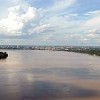
Emerging Powers Harnessing Neighbours’ Hydroelectricity
Emerging countries like Brazil and China are building numerous hydroelectric dams at home and abroad to help drive their economic growth. But while in Latin America the phenomenon is touted as an integration process, in Asia it has generated tension over the shared use of rivers.China’s Green Blueprint Raises Stakes at U.N. Climate Talks
China’s rise as a leader in the environmentally friendly, low-carbon economy is giving the Asian giant new diplomatic muscle for this year’s round of climate change negotiations leading up to the COP17 U.N. summit in Durban, South Africa in November.WATER-SOUTH AFRICA: Managing Flooding on the Orange River
Many farms and crops were devastated when the January floods hit South Africa at the start of this year. Farmer organisation Agri South Africa (AgriSa) estimated damages as high as 270 million dollars.
JAPAN: Difficult Shift From Aid Donor to Recipient
April has traditionally been the time for ‘hanami’, or cherry blossom festivals, when millions of Japanese hold parties under the pink flowering trees in parks and streets lit up gaily by lanterns.LATIN AMERICA: Boosting Accountability for Mining and Oil Industries
Guatemala has been accepted as a candidate country by the Extractive Industries Transparency Initiative (EITI), which aims to strengthen governance by improving transparency and accountability in the sector, and to reduce tensions between mining and oil companies and local people affected by their activities.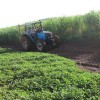
BRAZIL: Sugar Cane Fertilises Its Own Soil
The mechanisation of sugar cane harvesting, originally aimed at curbing the pollution caused by the burning of cane fields, has resulted in an added bonus: it has helped to improve soil quality, according to growers and technical experts in the southern state of São Paulo, where most of Brazil’s sugar and ethanol is produced.
Israel Leads the Electric Charge
A woman takes the driver's seat, turns on the radio, sliding through broadcasts of the tit-for-tat battles between Israel and the Palestinian Islamist movement Hamas till she finds a quiet music station.« Previous Page — Next Page »


Through our global network of local writers, we are continuing our award-winning coverage of global and local environmental challenges, with a focus on the people for whom the ecosphere matters in a direct way: rural dwellers who have little means to protect themselves against adverse conditions; communities that need to switch to sustainable development in order to survive; poor women and children, who are the most vulnerable in natural disasters. Sponsored by the United Nations Environment Program (UNEP), the United Nations Development Program (UNDP) and The World Bank (WB), IPS also maintains the award-winning Tierramérica, a specialised information service on environment and development.

The Week with IPS

Tracking global progress towards a sustainable world


