Languages
Monday, October 26, 2026



News and Views from the Global South
Water & Sanitation

A Nation Chewing Itself to Death
The Yemeni capital of Sanaa is reputed to be over 2,500 years old, making it one of the oldest continually inhabited cities in the world. But it is living on borrowed time.
Nile Delta Disappearing Beneath the Sea
It only takes a light covering of seawater to render land infertile, so Mohamed Saeed keeps a close watch on the sea as it advances year after year towards his two-hectare plot of land. The young farmer, whose clover field lies just 400 metres from Egypt's northern coast, reckons he has less than a decade before his field – and livelihood – submerges beneath the sea.
Dammed Rivers Create Hardship for Brazil’s Native Peoples
The Itaparica hydroelectric power plant occupied land belonging to the Pankararu indigenous people, but while others were compensated, they were not. They have lost land and access to the São Francisco river, charge native leaders in Paulo Afonso, a city in northeastern Brazil.
Voluntary Fracking Certification Kicks Off in U.S.
A controversial new certification process that could cover a significant portion of the U.S. oil-and-gas “fracking” industry began accepting applications on Tuesday, indicating the formal start of an initiative that has the backing of some key industry players and some environmentalists – but by no means all of either.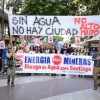
Alto Maipo Project Endangers Santiago’s Water Supply
A hydroelectric project under construction near the Chilean capital poses a threat to the supply of drinking water to more than six million people living in the Santiago Metropolitan Region.
Haiti’s “Public Housing” Projects Overlook Poorest
Named after a famous Haitian singer, the Lumane Casimir Village sits in the desert-like plain at the foot of Morne à Cabri and will eventually have 3,000 rental units. About 1,300 are now ready.
Questions Linger over Haiti Housing Projects
Four years after the Jan. 12, 2010 earthquake, questions continue to haunt the four main post-disaster housing projects built by the Haitian government.
Caribbean Sees Worrying Rise in Climate-Sensitive Diseases
Caribbean countries, struggling to emerge from a slump in exports and falling tourist arrivals brought on by the worldwide economic crisis that began five years ago, have one more thing to worry about in 2014.
Development Follows Devastation from Brazilian Dam
Valdenor de Melo has been waiting for 27 years for the land and cash compensation he is due because his old farm was left underwater when the Itaparica hydroelectric dam was built on the São Francisco river in Brazil’s semiarid Northeast.
Four Years Later, USAID Funds in Haiti Still Unaccounted For
As the fourth anniversary of the devastating earthquake in Haiti approaches on Jan. 12, development analysts are decrying an ongoing lack of transparency in U.S. foreign aid to the country, even as those assistance streams are drying up.
Impunity Stinks in Havana’s Quibú River
The stench hits as you walk through the door of one of the pleasant houses along the Quibú river in the Cuban capital’s Náutico neighbourhood. “The garbage piles up, it stinks, and there are even rats,” said María Angélica Suárez, a local resident who is tired of living this way.
Eucalyptus Trees Make Way For Food Crops
 A project to reclaim agricultural land lost to eucalyptus plantations is bearing fruit in Cameroon.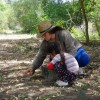
Seedpods Worth More than Gold in Argentina’s Arid North
Tired of the drought driving away their men and killing their livestock, the women of Guanaco Sombriana, a town in northern Argentina, have found a new source of income by using the seedpods of native trees that up to now merely provided shade in this arid landscape.Waiting for the Rains, Zambia Grapples With Climate Change
It is seven in the morning and Georgina Musende, 56, of Kamanga Township, which just lies east of the Zambian capital Lusaka, is already sweating as she digs into the dry earth. Every time the hoe hits the ground, the dust engulfs her.
Every Eucalyptus Felled Equals Gallons of Water
Sabina Shey Nkabiy, a farmer in Cameroon's North West Region, moves around these days with a million-dollar smile on her face. The mother of six, who used to trek 10 kilometres a day to farm, now harvests food in her backyard.
Coal Trains Run into Stiff Resistance in U.S.
Citizens and activists in the U.S. Pacific Northwest are fighting three different proposed coal terminals, including one in Oregon and two in Washington.
Mystery Oil Spill Turns Miles of Trinidad’s Beaches Black
Whether it is a case of sabotage or simply poor management practices by the state-owned PETROTRIN, as the union claims, a mysterious oil spill in south Trinidad is wreaking havoc on homes and wildlife in the area.
Caring for Water Is a Must for Brazil’s Energy Industry
As they build huge hydropower dams, the Brazilian government and companies have run into resistance from environmentalists, indigenous groups and social movements. But the binational Itaipú plant is an exception, where cooperation is the name of the game.
And Now This Filthy Flood
Wearing tattered shoes and hopping between dirty puddles, 14-year-old Sabeh manages to find his way to the market at the Al Shati refugee camp, one of Gaza’s most heavily populated and poor areas.
WASH Still a Work in Progress in Zimbabwe
Ish Mafundikwa reports from Harare that five years after the deadly cholera outbreak that hit Zimbabwe, the country is still struggling to upgrade its water and sanitation infrastructure.

An Argentine Town that ‘Celebrates’ Garbage
Towns traditionally celebrate their most characteristic aspect. So the town of Bouwer in central Argentina decided to “celebrate” garbage.« Previous Page — Next Page »





The Week with IPS

NEXT STOP - SDGs
Tracking global progress towards a sustainable world
Tracking global progress towards a sustainable world
