Languages
Monday, November 9, 2026



News and Views from the Global South
Gender

Stigma Still a Major Roadblock for AIDS Fight in Africa
Though West Africa’s massive Ebola outbreak may be dominating the spotlight within the global health community, HIV/AIDS remains an enormous issue for Africa as a whole - a sentiment that Washington officials made clear this week in their discussions of legislative and technological setbacks plaguing progress in fighting the epidemic.
Zimbabwean Women Breathe New Life into Private Transport Sector
Mavis Gotora from Mabvuku high-density suburb, in Zimbabwe’s capital, Harare, walks up and down, as she persuades one passer-by after another to board the private taxi cab she drives.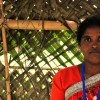
Women Warriors Take Environmental Protection into Their Own Hands
Aleta Baun, an Indonesian environmental activist known in her community as Mama Aleta, has a penchant for wearing a colourful scarf on her head, but not for cosmetic reasons.
Tech Entrepreneur Encourages Rwanda’s Young Women to Venture into ICT
Akaliza Keza Gara is only 27, but she’s achieved much for women in Rwanda’s technology sector in just a short space of time.
OPINION: For Nigerian Girls, Education Is the Key That Opens Doors to Progress
I grew up in Nigeria, in a culture where bearing a son validates a woman and her family, and a male innately holds the superior position in society over a female. At 11 years of age, I escorted my mother to deliver her fifth baby girl, my youngest sister, and watched our mom die in the hands of an unfit doctor.
Nigeria Wakes Up to its AIDS Threat
Tope Tayo’s marriage broke up 11 years ago after she tested positive for HIV. Her angry and embarrassed husband took away their only child. Three months later, when the one year old boy tested positive, the husband dumped him with Tayo and absconded.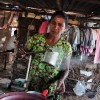
Former War Zone Drinking its Troubles Away
Back in the day when the separatist Liberation Tigers of Tamil Eelam (LTTE) ran a de-facto state in Sri Lanka’s Northern Province, alcohol consumption was closely monitored, and sternly frowned upon.
Human Rights Low on U.S-Africa Policy Summit
As the White House prepares to host more than 40 African heads of state for the upcoming U.S.-Africa Leaders Summit, civil society actors from the U.S., Africa and the international community are urging the Barack Obama administration to use the summit as an opportunity to more thoroughly address some of Africa’s most pressing human rights violations.
Cash Transfers Drive Human Development in Brazil
Every day, Celina Maria de Souza rises before dawn, and after taking four of her children to the nearby school she climbs down the 180 steps that separate her home on a steep hill from the flat part of this Brazilian city, to go to her job as a domestic. In the evening she makes the long trek back up.
China’s ‘Left-Behind Girls’ Learn Self-Protection
A normally quiet second-grade student, Yuan Yuan* suffers from a mild mental disorder that impacts her ability to learn and communicate. Her father, also mentally disabled, left her several years ago to find work in the city and his family hasn’t heard from him since. Unable to support the family, her mother also left and never returned.
Outlawing Polygamy to Combat Gender Inequalities, Domestic Violence in Papua New Guinea
New legislation recently passed in the southwest Pacific Island state of Papua New Guinea (PNG) outlawing polygamy has been welcomed by experts in the country as an initial step forward in the battle against high rates of domestic violence, gender inequality and the spread of AIDS.
Zambia Makes Progress in the Prevention of HIV Transmission From Mother to Child
 Chisha Mutale reports from Lusaka that substantial progress has been made against the transmission of HIV from mother to child by the the Zambian government and its cooperating partners.

For Many Asian LGBT Youth, Homophobia Starts at Home
To teenagers, running away can seem like the easiest answer to problems at home, but for Alex* it was his only option when his family refused to accept that he identified as a transgender male.
OPINION: Tackling Human Vulnerabilities, Changing Investment, Policies and Social Norms
As successive Human Development Reports have shown, most people in most countries are doing better in human development. Globalisation, advances in technology and higher incomes all hold promise for longer, healthier, more secure lives.
OPINION: Empowering DR Congo’s Sexual Violence Survivors by Enforcing Reparations
Before a sexual violence survivor in the Democratic Republic of the Congo (DRC) has her day in court, she must surmount many obstacles. Poor or nonexistent roads and costly transportation may prevent her from going to a police station to report the crime, or to a hospital to receive treatment for the injuries sustained during the violence.
‘Zero Tolerance’ the Call for Child Marriage and Female Genital Mutilation
Heightening their campaign to eradicate violence against women and girls, United Nations agencies and civil groups have called for increased action to end child marriage and female genital mutilation.
Focus on Child Marriage, Genital Mutilation at All-Time High
As Tuesday’s major summits here and in London focused global attention on adolescent girls, the United Nations offered new data warning that more than 130 million girls and women have experienced some form of female genital mutilation, while more than 700 million women alive today were forced into marriage as children.
For Nepal’s Dalits, Struggle Continues Amidst Slow Progress
 With over 41 percent of Nepal's three million Dalits living below the poverty line, and over 90 percent classified as 'landless', the country must reassess its progress on the Millennium Development Goals (MDGs) vis-a-vis its most vulnerable populations.

Gaza Under Fire – a Humanitarian Disaster
As a result of over two weeks of Israeli bombardment, thousands of Palestinian civilians have fled their homes in the north of Gaza and sought refuge in schools run by the UNRWA, the U.N. agency for Palestinian refugees.
Stunting: The Cruel Curse of Malnutrition in Nepal
Durga Ghimire had her first child at the age of 18 and the second at 21. As a young mother, Durga didn’t really understand the importance of taking care of her own health during pregnancy.
India’s Great Invisible Workforce
According to census data released this month, a whopping 160 million women in India, 88 percent of who are of working age (15 to 59 years), are confined to their homes performing ‘household duties’ rather than gainfully employed in the formal job sector.« Previous Page — Next Page »





Women make up half the world's population, but don't nearly share half of the world's wealth, well-being and opportunity. Two-thirds of the world poor are women, disproportionally exposing women to precarious living conditions, disease and unmitigated natural disasters. The media, meanwhile, remains a male-dominated sector in much of the world, contributing to women's voices lacking a crucial amplifier to put their concerns on political agendas and unleash the development potential of their ingenuity. Rather than then stereotypical victims of local and global forces, women are also organizer, innovators, conservators and community builders. These are some of their stories.

The Week with IPS

NEXT STOP - SDGs
Tracking global progress towards a sustainable world
Tracking global progress towards a sustainable world
