Languages
Wednesday, November 11, 2026



News and Views from the Global South
Gender
For Big Financial Institutions, Profit Trumps Women’s Rights
This year, for the first time, the World Bank dedicated its 2012 annual flagship World Development Report to women as indispensable players in the global economy and launched a media campaign to "think equal".To Women’s Rights, Financial Institutions Pay Lip Service Only
On day seven of "the 16 days of activism to end violence against women" campaign, women's rights organisations around the world are asking what the biggest international financial institutions (IFIs) are really doing to protect women's rights, which are under daily assault.
LATIN AMERICA: Female Condoms in Short Supply
In spite of the growing spread of HIV/AIDS among women in Latin America and the Caribbean, the female condom, which could put them in charge of their health, is not readily available.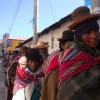
Lessons from the Andes on Budgeting to Close the Gender Gap
Three countries in South America's Andean region, Bolivia, Ecuador and Peru, have a great deal to teach and share with those meeting in Busan, South Korean this week to discuss, among other things, how to make sure that development aid incorporates a gender focus in order to be effective.
‘Nothing at Busan for African Women, Children’
Although there has been considerable progress towards reducing maternal and infant mortality, millions of women and children in Africa are still in need of better health services, food and sanitation.
Q&A: “Gender Budgets Help You Think About People”
Gender responsive budgeting (GRB), a U.N. Women tool to curb inequality, "helps you think about people...and to use resources in a more effective manner," says Lorena Barba.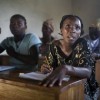
Global Fund for Education Gathers Momentum
If the international community can successfully raise billions of dollars to fight deadly diseases, why not a similar fund to promote education, asks Gordon Brown, former British prime minister.
West African farmers see climate changing
 Women in West Africa have over the years relied on fishing and farming as their traditional source of income. But as Sam Olukoya reports from Lagos, changing weather patterns caused by climate change have put their livelihood under threat.

South-South Ties Reshape Aid Paradigm
When the G-8 countries, comprising the world’s largest industrialised nations, decided that improving Internet access to developing countries should be a priority, scores of leaders from developing world opposed the move.
The Aid From Women No One Counts
Gender responsive budgeting becomes important when seen in the background of unpaid but important care work done by women, say delegates to an international meet on aid effectiveness in this South Korean city.
Arab Women Seek a Place in the Spring
As several countries in the Middle East and North Africa (MENA) elect bodies to write new constitutions, women are looking to expand their rights through legislation.
Mobilising Men to End Violence Against Women
Since it launched in 1997, the United Nations Trust Fund to End Violence Against Women has distributed more than 78 million dollars to 339 projects around the world, but even these resources fall far short, meeting less than five percent of demand.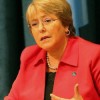
Q&A: Climate Talks Must Ensure That “Words Become Reality”
Involving women in decision-making and resource management is a basic necessity for any effective plan to address the multi- layered and life-threatening consequences of climate change, says the head of UN Women.
US: Battered Bodies, Broken Families: Remembering Immigrant Women
Today marks the first of "16 Days of Activism Against Gender Based Violence", a campaign launched in 1991 to insist that 'women's rights are human rights'.CUBA: Violence against Women Out of the Closet
The story of Saúl, a violent husband, and Odalys, an abused wife, has been on Cuban TV screens for several weeks now, bringing the touchy and often silenced issue of violence against women into millions of homes. It may cause shock or repulsion, but few can escape the controversy or discussion.
PODCAST: Coffee growers feel climate change
Women coffee growers speak to Martha Nyambura about the impact of climate change on their production.
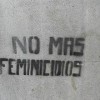
MEXICO: Deadly Cocktail of Sexual Violence and Impunity
Sexual violence against women in Mexico is on the rise, alongside the escalation of violence between police and soldiers and the drug cartels, women's rights activists warn.
Coffee growers feel climate change
Women coffee growers speak to Martha Nyambura about the impact of climate change on their production.
ARGENTINA: Women Build New Opportunities in Cooperatives
Forged in the 2001-2002 social and economic crisis, cooperatives in Argentina are becoming a fast track to women's participation in what were traditionally regarded as male spheres.
LATIN AMERICA: How to Prevent ‘Femicide’
Vanina Alderete, an 18-year-old from Argentina, is a survivor of a particularly heinous case of domestic violence: when she was 11, her father killed her mother and her two little brothers and left her seriously injured.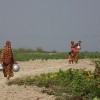
Bangladesh Demands Climate Justice
Mosammet Monwara walks more than three km every alternate day to fetch water for her family of five in a heavy earthen pitcher.« Previous Page — Next Page »





Women make up half the world's population, but don't nearly share half of the world's wealth, well-being and opportunity. Two-thirds of the world poor are women, disproportionally exposing women to precarious living conditions, disease and unmitigated natural disasters. The media, meanwhile, remains a male-dominated sector in much of the world, contributing to women's voices lacking a crucial amplifier to put their concerns on political agendas and unleash the development potential of their ingenuity. Rather than then stereotypical victims of local and global forces, women are also organizer, innovators, conservators and community builders. These are some of their stories.

The Week with IPS

NEXT STOP - SDGs
Tracking global progress towards a sustainable world
Tracking global progress towards a sustainable world
