Languages
Saturday, October 17, 2026



News and Views from the Global South
Gender
Public Development Banks Can’t Drag Their Feet When It Comes to Building a Sustainable Future
A coalition of civil society organisations is demanding public development banks (PDBs) to take radical and innovative steps to tackle human rights violations and environmental destruction. No project funded by PDBs should come at the expenses of vulnerable groups, the environment and collective liberties, but should instead embody the voices of communities, democratic values and environmental justice.
Saving Lives Can’t Ever Be Divisive
That’s why a new ship with a big white “E” will navigate the Mediterranean Sea. The vessel has a red hull, is more than fifty meters long and has low decks. Soon, it will leave the port of Genoa and go out into the open sea. If those living on the north shore of that ‘water cemetery’ bearing the name of Mediterranean had chosen life, the "Life Support" would not have been greeted by the applause of a people packed square, on a late summer night, in the Italian city of Reggio Emilia. It would not be ready to sail now; . if they had chosen life, that ship would have another job.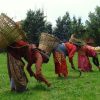
Rural Women Work the Hardest, Produce the Most, Eat the Least
Make no mistake. Violence against women has been perpetuated, specially when it comes to those who have already been deprived of their basic human rights, as it is the case of rural women in over two-thirds of the world.
Local Solutions Boost Sustainable Micro-Mobility in Cuba
The incorporation of small electric vehicles for public transport, together with initiatives that encourage the use of bicycles, represent opportunities and challenges for Cuba to sustainably and inclusively combat the chronic problems in urban mobility.
Millions of Girls Abused in the Name of Toxic Masculinity
A common feature to religions – including the monotheistic ones – is that groups of males have self-proclaimed themselves as the source for interpreting the “Word of God,” shaping them, and spreading them among the peoples of good faith.
Reform Needed As Big Business, Not Vulnerable Communities Benefit from Post-Pandemic Support
Governments and international financial institutions must adopt new ways of providing post-pandemic support, say campaigners after a report found that in many poorer countries, big business benefitted most from Covid-19 recovery funds. At the same time, vulnerable communities have been “left behind.”
Small Farmers in Peru Combat ‘Machismo’ to Live Better Lives
"My father was very ‘machista’, he used to beat my mother... It was a very sad life," said Dionisio Ticuña, a resident of the rural community of Canincunca, on the outskirts of the town of Huaro, in the southern Peruvian highlands region of Cuzco more than 3,000 meters above sea level.
Pakistan’s Transgender Legislation in the Line of Fire
It has taken four years for some politicians to oppose a landmark law protecting the rights of transgender persons, saying it's against Islam and the country's constitution.
Successful Climate Solutions Require Investment in the Lives of Adolescent Girls
This year commemorates the 10th anniversary of the International Day of the Girl Child. While the last decade has seen greater attention on the positive development needs of girls, we must move beyond documenting the barriers that girls face to investing in and prioritizing girl-centered solutions to the critical development challenges of our world.
Women in Argentine Slum Confront Violence Together
The Padre Carlos Mugica neighborhood looks like another city within the Argentine capital, which most people usually see from up above as they drive past on the freeway but have never visited. It is a shantytown in the heart of Buenos Aires, of enormous vitality and where women are organizing to confront the various forms of violence that affect them.
UN’s High-Level Meeting of World Leaders Falls Short of Gender Empowerment
When the UN’s high-level meeting of world leaders concluded last week, the head count seemed lopsided: 190 speakers, including 76 Heads of State, 50 Heads of Government, 4 Vice-Presidents, 5 Deputy Prime Ministers, 48 Ministers and 7 Heads of Delegations—overwhelmingly male.
Poverty Impacts on Efforts to End Child Marriage, say Parliamentarians
Child marriage continues to be a scourge in many African countries – despite legislation and efforts of many, including parliamentarians, to keep girls in school and create brighter futures for them. This was the view of participants in a recent webinar held under the auspices of the African Parliamentary Forum on Population and Development (FPA) and UNFPA East and Southern Africa Regional Office (ESARO).
Women’s Financial Inclusion, Empowerment in Kenya
A two-year-old child cries hysterically as his mother attends to customers standing in front of her stall to buy vegetables on the outskirts of the Kenyan capital Nairobi. The mother, 25-year-old Esther, who refuses to give her surname for fear her husband will know that she has spoken to strangers about family issues, sells spinach, onion, tomato, garlic, and green pepper at a street corner to supplement her husband’s “meager” construction wage. It has been four years since she started the business, and she says it is beginning to feel like an eternity.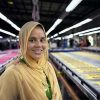
Why Investing in Water, Sanitation and Hygiene Pays Off
As the devastating images of flooding in Pakistan went round the world and the country declared a state of emergency, some 4,000 miles away in Stockholm, delegates had just arrived for World Water Week – an annual focal point for global water issues.
The New Cold War Over Access To Safe Abortion in Kenya
Fatuma is a 24 year old girl from Korogocho, an informal settlement in Nairobi. She died in December 2021, from complications arising from an unsafe abortion. Her friend and a few of her neighbors found her bleeding profusely and unable to move. They rushed her to the hospital. Unfortunately, she died before she could see the doctor.
Transforming Education, Transforming The World
Leaders from across the world are uniting at the UN Secretary-General’s Transforming Education Summit to address a global education crisis that threatens to derail decades of development gains and is depriving millions of girls across the world of their inherent human right to access a quality education.
Equal Pay for Work of Equal Value
International Equal Pay Day, observed officially by the United Nations on 16 September, aims to draw attention to the gender pay gap – the difference between what a woman earns compared to a man for work of equal value – and the systemic inequalities it is rooted in.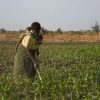
Full Gender Equality Almost 300 Years Away at Current Rate of Progress
While women in rich societies are paid around 25% less than men for equal jobs, those living in impoverished countries receive by far much lower salaries, if any at all.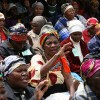
What Does the African Continental Free Trade Agreement Hold for Women?
Agnes Opus sells cereals in Busia, the border town between Kenya and Uganda. This is her lifeline through which she caters for her immediate family’s needs from school fees to housing and medical care and support to her extended family. While she dedicates all her energy and time to this work which she loves, she struggles to meet all her needs. She faces many non-tariff barriers including harassment by officials and unclear and ever-changing information on trade requirements.
Peruvian Trans Women Fight for Their Right to Identity
"Without recognition of your identity by the State and society, there is no exercise of citizenship or rights," said Leyla Huerta, director of Féminas Perú, an organization that has been working since 2015 to empower transgender women in the face of the highly vulnerable situation they find themselves in.
Africa Needs More Action, Fewer Words to Secure Food and Nutrition
For more than five years, Ritta Achevih was harvesting one bag of maize or less from her small plot each season. She could hardly provide enough healthy food for her big family.« Previous Page — Next Page »





Women make up half the world's population, but don't nearly share half of the world's wealth, well-being and opportunity. Two-thirds of the world poor are women, disproportionally exposing women to precarious living conditions, disease and unmitigated natural disasters. The media, meanwhile, remains a male-dominated sector in much of the world, contributing to women's voices lacking a crucial amplifier to put their concerns on political agendas and unleash the development potential of their ingenuity. Rather than then stereotypical victims of local and global forces, women are also organizer, innovators, conservators and community builders. These are some of their stories.

The Week with IPS

NEXT STOP - SDGs
Tracking global progress towards a sustainable world
Tracking global progress towards a sustainable world
