
Friday, October 2, 2026



News and Views from the Global South
Women's Health
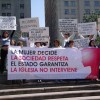
Trump’s Global Gag a Devastating Blow for Women’s Rights
The image of a group of men in suits making decisions about the rights of women is becoming an emblematic sign of the backlash against our human rights, particularly those related to women´s bodily integrity and reproductive and sexual freedoms.
A Crisis of Overweight and Obesity in Latin America and the Caribbean
Obesity and overweight have spread like a wildfire throughout Latin America and the Caribbean, threatening the health, well-being and food and nutritional security of millions of people.
A Women’s March on the World
Just one day after the inauguration of President-elect Donald Trump, hundreds of thousands of women are expected to attend one of the largest demonstrations in history for gender equality.
Family Planning in the Philippines: Stalled Again
With the landslide victory of the tough talking city mayor of Davao City, Roberto Duterte to the Presidency of the Philippines in May 2016, news reports of the South-East Asian country have been dominated by the President's often controversial statements and policies, especially toward those involved in the illegal drug trade. One such notable event, which slipped below the radar was the granting of a second temporary restraining order in 2016 by the country's Supreme Court on the distribution of most contraceptives.
Ending AIDS Needs Both Prevention and a Cure
Eighteen million people, just slightly under half of the people living with HIV and AIDS globally, are now taking life-saving medication, but global efforts to end the disease still largely depend on prevention.
Debate Roils India Over Family Planning Method
The Indian government's decision to make injectable contraceptives available to the public for free under the national family planning programme (FPP) has stirred debate about women's choices in the world's largest democracy and second most populous country.
The Perils of Writing about Toilets in India
Journalist Stella Paul was midway through an interview about toilets when she found herself, and the women she was speaking to, under attack from four angry men.

Wonder Woman: Not the Hero the UN Needs
For those of us who ever feel conflicted about the United Nations, the past month has been an exercise in managing absurd cognitive dissonance. First, on October 21 2016, the United Nations announced that the 1940s comic book heroine, Wonder Woman would be its new mascot for promoting the empowerment of women and girls.
The Key Role Women Played in Culture of Peace
In the fifteen years since the adoption of UN Security Council Resolution 1325, we have seen a tremendous enthusiasm among civil society at all levels in raising awareness, engaging in advocacy and building capacity for its meaningful implementation. It is my pleasure to write the foreword to this publication which is a meaningful endeavour to move the agenda forward on the occasion of the 15th anniversary of the adoption of this groundbreaking resolution.
Who Should Lead the WHO Next?
Health problems increasingly transcend the borders of the World Health Organization’s 194 member states, a challenge which the six candidates vying to lead the global body must address with care.
India’s New Maternity Benefits Act Criticised as Elitist
The passage of the landmark Maternity Benefits Act 1961 by the Indian Parliament, which mandates 26 weeks of paid leave for mothers as against the existing 12, has generated more heartburn than hurrahs due to its skewed nature.
Kenya’s Health Sector Challenges Present the Ideal Setting for Creating Shared Value
The increased budgetary allocations to the health sector by county governments point to an acknowledgement not only of the enormous challenges facing the sector, but also of good health as a prerequisite to overall development.
Indian Jails Slammed as Purgatory for the Poor
A media frenzy ensued in New Delhi last month when a popular television channel highlighted the horrific living conditions of women inmates in ward number six of Tihar Jail, South Asia's largest prison.
Sustainable Development in Africa Will Not Be Achieved Without Women’s Full Participation
In some parts of the world, the proverbial “glass ceiling” is shattering. As Theresa May and, most likely, Hillary Clinton join Angela Merkel at the leadership of three major world powers, women’s leadership in politics is on the ascent.
Pan African Parliament Endorses Ban on FGM
After years of wrangling and debates among African leaders, the movement to end female genital mutilation (FGM) is gaining real momentum, with a new action plan signed this week by Pan African Parliament (PAP) representatives and the U.N. Population Fund (UNFPA) to end FGM as well as underage marriage.
The Right to Not Disappear
It goes something like this: there’s a murder in the name of ‘honour’ in a village somewhere in Pakistan. The story is reported and journalists are inspired to look for more such instances to cover. They disperse in all directions and no matter where they go searching, they return with more such murder cases to dump on the ‘honour’ killing pile.
Uganda Ill-Equipped for Growing Cancer Burden
Lying on a dirty bed in a crowded, squalid hostel in Kampala, emaciated Jovia, 29, managed a weak smile as a doctor delivered her a small green bottle containing a liquid.
Entrenched Inequalities
Do a girl born in a poor household in rural Balochistan and a boy born in a rich household in Karachi have the same or even a similar set of opportunities in life? Are their chances of acquiring an education similar? Do they have access to comparable healthcare services and facilities? Do they have equal opportunities for access to physical infrastructure and the freedom of movement and association?
Large-Scale Rainwater Harvesting Eases Scarcity in Kenya
Rainwater harvesting in Kenya and other places is hardly new. But in this water-stressed country, where two-thirds of the land is arid or semiarid, the quest for a lasting solution to water scarcity has driven useful innovations in this age-old practice.
The Eugenics Debate
The current debate on the re-emergence of eugenics is worrying, as most of its proponents seem to be urging for gene manipulation for higher intelligence and beauty, while only a few are concerned with its dystopian implications.
Latin American Development Depends On Investing In Teenage Girls
Latin America’s teenage girls are a crucial force for change and for promoting sustainable development, if the region invests in their rights and the correction of unequal opportunities, according to Luiza Carvalho, the regional head of UN Women.« Previous Page — Next Page »


Worldwide, women’s health is a serious issue. The result of a wide diversity of factors, most notably insufficient access to education, women’s health issues must be addressed. Without access to proper schooling, many girls grow up without the necessary understanding of reproductive health. Due to this, reproductive issues and sexually transmitted infections plague women in developing countries. Women struggle to battle infections such as HIV. The lack of relevant services, coupled with the lack of women’s rights pertaining to their own health, are some of the serious issues that these stories seek to explain.

The Week with IPS

Tracking global progress towards a sustainable world
