
Thursday, October 29, 2026



News and Views from the Global South
IPS UN: Inside the Glasshouse

Africa’s Civil Society Calls for Action as COP25 Kicks off in Madrid
During the 25th round of climate change negotiations starting today in Madrid, Spain, African civil society organisations will call on governments from both developing and developed nations to play their promised roles in combating climate change.
Nuclear False Warnings & the Risk of Catastrophe
Forty years ago, on Nov. 9, the U.S. Defense Department detected an imminent nuclear attack against the United States through the early-warning system of the North American Aerospace Defense Command (NORAD). U.S. bomber and missile forces went on full alert, and the emergency command post, known as the “doomsday plane,” took to the air.
Bangladeshi Migrant Female Domestic Workers Face Violence
Millions of Bangladeshi women are facing violence either as domestic housemaids or as migrant workers in Gulf countries. A few days ago, a video in social media, secretly filmed by a Bangladeshi housemaid employed in Saudi Arabia, caught everyone’s attention where she was helplessly crying and begging to be rescued from her abusive employer.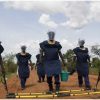
IEDs: Tackling Terrorists’ Weapon of War
Some of the most memorable images of the late Diana, Princess of Wales, show her wearing a protective suit while touring a minefield in Angola in 1997 to raise awareness of the devastating effects of land mines.
Despite Halting Progress, UN Continues its Push for a Nuclear-Weapons-Free Zone in the Middle East
A longstanding proposal for a regional nuclear-weapons-free zone (NWFZ) in the Middle East – one of the world’s most conflict-ridden regions – has been kicked around the corridors of UN committee rooms since 1974.
UN Warns of ‘Screen Teens’ not Getting Enough Exercise
It is a common complaint of parents globally that their children and teenagers spend far too many hours sprawled on couches playing video games, sharing selfies with online friends and giggling over TikTok videos.
Science & Policy Must Remain Partners in Mercury Challenge
It has been more than two years since the Minamata Convention on Mercury entered into force. The global treaty protects humans and the environment from the toxic metal, but countries are still stuck on how to measure the agreement’s effectiveness.
Saudi UNESCO Win Riles Khashoggi Standard-Bearers
Human rights campaigners have reacted angrily to the election of Saudi Arabia to the United Nations cultural agency UNESCO’s top board, highlighting the kingdom’s ongoing crackdowns on political freedoms and critics.
A 650 Million Dollar Pledge Aimed at Eradicating Extreme Hunger by 2030
When a coalition of international donors pledged more than $650 million to provide assistance to over 300 million smallholder farmers in developing countries, the primary aim was to help increase agricultural and livestock production besieged by droughts, floods and other natural disasters triggered by climate change-- mostly in sub-Saharan Africa and South Asia.
U.N. Group Launched to put Afghan Women at Centre of Peace Initiatives
Afghanistan’s first female ambassador to the United Nations this week launched a U.N. group that aims to put women at the centre of peace initiatives in Afghanistan.
Achieving the Possible: “Weapons of Mass Destruction Free Zone in the Middle East”
A historic conference on the Middle East opened at the United Nations in New York on 18th November and will continue until 22nd November. The Conference on the Establishment of a Middle East Zone Free of Nuclear Weapons and Other Weapons of Mass Destruction is presided over by Ambassador Sima Bahous of Jordan.
As Donors Ramp up Polio Funding, Worries of Comeback Persist
Efforts to wipe polio off the face of the planet took a step forward this week, with a multibillion-dollar fundraiser in the Middle East helping eradication schemes tackle a virus that disproportionately kills and cripples children in poor countries.
Los Angeles Joins a Global Movement to Protect Human Right to Water
On November 6, Los Angeles became the first major city in the United States to earn the designation of “Blue Community” – a bold move that will keep water protected from privatization.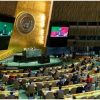
The UN at 75: Time to Give Citizens a Voice
Next year the United Nations will commemorate its 75th anniversary. The General Assembly determined that all the UN’s activities in 2020 shall be guided by the theme “The future we want, the United Nations we need: reaffirming our collective commitment to multilateralism”.
Campaign Targets UNESCO’s Tie-up with ‘Saudi Spies’
The United Nations faces renewed criticism over its partnership with Saudi Arabia’s Misk Foundation amid revelations that the charity is headed by the mastermind of a recent Twitter spying operation.
The Slippery Slope to Autonomous Killing Machines
Would you trust an algorithm with your life? If that thought makes you uncomfortable, then you should be concerned about the artificial intelligence (AI) arms race that is secretly taking off, fueled by the arms industry.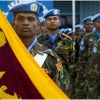
UN Peacekeeping Should Not Violate Charter or Principles of Sovereignty of Member States
Given the political, economic and social exigencies of contemporary peacekeeping, it is important that the Department of Political and Peacebuilding Affairs (DPPA) remains engaged in the process.
Can India’s Solar Gift Help a Cash-Strapped UN?
While the UN grapples with weighty global matters, can an Indian gift solve an unlikely matter of great concern to journalists and staffers – a partial shutdown of an escalator as part of the world body's austerity measures?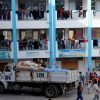
UN Agency for Palestinians in Crisis as Chief Quits
The United Nations agency for Palestinian refugees was in “crisis mode” on Wednesday after director Pierre Krahenbuhl resigned amid a misconduct probe over whether he fast-tracked his girlfriend into a top aid job, analysts said.
Europe’s Green Deal is Turning Red
Global temperatures are set to rise by a catastrophic 3°C by the end of the century unless we take major action. The next 10 years in particular are crucial.
Prepare to Win: Tsunami Awareness and Preparedness
Once considered rare in their occurrence, in the last 10 years tsunamis have struck nearly every year: from Samoa to Chile, and from Iceland to New Zealand.« Previous Page — Next Page »





It was dubbed "The Glass House" by U.S. ambassador James Wadsworth in 1966. Half a century later, the United Nations has gradually expanded its role as agent of peace and protector of the world's vulnerable populations, while simultaneously facing internal pressures to become more inclusive, increase transparency and maintain legitimacy in the post-Cold War political and economic order. Highlighting the local impacts of global policies on economic development, environment, health and human rights, IPS's coverage goes beyond the edicts of the Security Council to illuminate the power struggles, successes and shortcomings of the 193-member institution as it grapples with crises like climate change, armed conflict, poverty and HIV/AIDS.

The Week with IPS
