Languages
Tuesday, November 17, 2026



News and Views from the Global South
Africa

Devastating Droughts Continue as El Nino Subsides
Although the devastating El Niño of 2015 to 2016 has now subsided, in many parts of Africa, Central America and Southeast Asia rains and harvests are not expected to recover until 2017.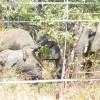
Malawi Leads Africa’s Largest Elephant Translocation
One of the world's largest and most significant elephant translocations kicked off earlier this month within Liwonde National Park in southern Malawi.
Forests: To Farm or Not to Farm? This Is the Question!
The dilemma is critical: on the one hand, there is an absolute need to produce more food for the world’s steadily growing population; on the other, there is pressing urgency to halt -and further revert- the increasing trend to deplete the forests, which are as necessary for human survival as it is for ensuring their dietary needs.
Rewriting Africa’s Agricultural Narrative
Albert Kanga Azaguie no longer considers himself a smallholder farmer. By learning and monitoring the supply and demand value chains of one of the country’s staple crops, plantain (similar to bananas), Kanga ventured into off-season production to sell his produce at relatively higher prices.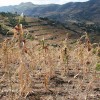
‘Monster’ El Niño Subsides, La Niña Hitting Soon
As if human-made armed conflicts, wickedness, rights abuse, gender violence, cruel inequality and climate catastrophes were not enough, now the saying “God Always Forgives, Men Sometimes, Nature Never” appear to be more true than ever. See what happens.
South Sudan Tense but Calm Following Intense Fighting: UN
The situation in Juba, South Sudan on Thursday was "tense" but "calm" following recent intense fighting, UN Spokesperson for the Secretary General Stephane Dujarric told journalists here Thursday.
The Dark Road to Peace in South Sudan
The dark road to Peace in South Sudan began with the manner in which the Machakos Peace agreement was crafted.
The Delusion ‘I Am Not Responsible’
- One of the many interesting details to be learned by understanding human psychology is how a person's unconscious fear works in a myriad of ways to make them believe that they bear no responsibility for a particular problem.
IPS Interview with Bernadette Lahai On the Pan African Parliament Food and Nutrition Security Agenda
Dr.Bernadette Lahai, Vice President of the Pan African Parliament (PAP), discusses the multitude of challenges facing the African continent and how the PAP plans to overcome them. With the rise of malnutrition as a direct result of ongoing food insecurity, the Parliament will play an indispensable role in the future of food in the African continent.
Large-Scale Rainwater Harvesting Eases Scarcity in Kenya
Rainwater harvesting in Kenya and other places is hardly new. But in this water-stressed country, where two-thirds of the land is arid or semiarid, the quest for a lasting solution to water scarcity has driven useful innovations in this age-old practice.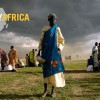
Human Security a Must in a Chaotic, Confused World – Japan
The question is simple and the answer, short: does eating more mean being better nourished?... Not Necessarily!
Malagasy Children Bear Brunt of Severe Drought
Voahevetse Fotetse can easily pass for a three-year-old even though he is six and a pupil at Ankilimafaitsy Primary School in Ambovombe district, Androy region, one of the most severely affected by the ongoing drought in the South of Madagascar.
Five Years After Independence South Sudan Faces Myriad Challenges
South Sudan, the world’s newest country faces myriad problems five years after achieving independence, aid agencies warned this week.
International Organizations Concerned by El Niño Funding Gap
The response to the 2015-2016 severe El Nino - which has effected over 60 million people from Southern Africa, to South-East Asia to Latin America - remains severely underfunded.
Uganda Rolls Out Compulsory Immunization to Dispel Anti-Vaccine Myths
Patience*, a Ugandan maid, planned on taking her three-year-old son for polio immunization during the country’s mass campaigns a year ago, until her landlord’s wife told her a shocking myth.
Ethiopia, Kazakhstan, Sweden Among New Members of UN Security Council
Bolivia, Ethiopia, Kazakhstan and Sweden were elected on Tuesday to serve on the UN Security Council (UNSC) as non-permanent members, while Italy and Netherlands have split the remaining contested seat.
Civil Society Under Serious Attack
Despite their contribution to social justice, civil society organisations came under “serious attack” in 109 countries in 2015, according to a new report published by CIVICUS Monday.
Women’s Cooperatives Ease Burden of HIV in Kenya
Seventy-three-year-old Dorcus Auma effortlessly weaves sisal fronds into a beautiful basket as she walks the tiny path that snakes up a hill. She wound up her farm work early because today, Thursday, she is required to attend her women's group gathering at the secretary’s homestead.
Making Sustainability Part of the Corporate DNA
Companies, governments and non-profit actors agree that economic growth and sustainable development have to go hand in hand to shape our increasingly globalised world in a fair way.
Least Developed Countries’ Vulnerabilities Make Graduation Difficult
Last month, over two thousand high-level participants from across the world met in Antalya, Turkey for the Midterm Review of the Istanbul Programme of Action, an action plan used to guide sustainable economic development efforts for Least Developed Countries for the 2011 to 2020 period. The main goal was to understand the lessons learnt by the world’s Least Developed Countries (LDCs) over the past five years and apply the knowledge moving forward.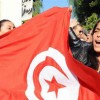
Islamists and Secularists Adjust to Work Together
It is encouraging to watch how Rachid Ghannouchi and Nahdha, the largest and most popular Islamic political party in Tunisia which is now widely expected to come to power again in the next election, have been transforming over time. Recently Ghannouchi astonished the world by declaring that “We will exit political Islam”, meaning that the country would be working to separate religious work from politics. Coming from one who once advocated Sharia law in governance, this change is amazing. Ghannouchi's leadership of remaining flexible, without compromising fundamental values and principles of Islam, has played a major role in helping Tunisia to become a vibrant democracy today, when other countries in the region have failed.« Previous Page — Next Page » *#*

The Week with IPS

NEXT STOP - SDGs
Tracking global progress towards a sustainable world
Tracking global progress towards a sustainable world
