Languages
Thursday, November 19, 2026



News and Views from the Global South
Africa

Kenyan Media Magnifies Hate Speech – Again
With Kenyans set to go to the polls in just over two weeks, on Mar. 4, civil society has been closely monitoring the media’s coverage of the political campaigns in this East African nation – and they have found them wanting.
The Struggle to Keep Swaziland’s Primary Schools Free
As the Swazi government struggles to guarantee a no-cost nationwide primary school system, it finds itself sparring against school principals over the question if it is a lack of funds or an abundance of corruption that is standing in the way of its success.
Crisis Group Urges Comprehensive Talks to End Sudan Conflicts
Amidst ongoing violence and continuing humanitarian emergencies in Darfur, South Kordofan and Blue Nile states, the International Crisis Group (ICG) called Thursday for a comprehensive solution to Sudan’s many regional conflicts.
BRICS Summit Means Business
African nations and other emerging countries are expected to soon outperform the developed world, and South Africa wants to take advantage.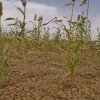
Sahel Region Learning to Reap the Benefits of Shade
In Africa's Sahel region, agroforestry techniques using traditional plantings known as "fertiliser trees" to increase soil fertility, as well as harvesting and grazing regulations, are offering new solutions to both food and human security.Water, Water Everywhere – and No Early Warning in Sight
Muzeka Muyeyekwa from Mapfekera Village in Zimbabwe’s Manicaland Province wonders what he will feed his three children for lunch.
‘No Blue Skies Opportunities’ in South African Mining
A calamitous year in mining has left many wondering whether it should still have a part in South Africa’s future. Illegal strikes, including one that left 47 people dead near Marikana in the northwest of the country, soaring costs and depressed world commodity markets have left the industry in its worst crisis in years.
African Troops Arrive As Divisions Fracture Malian Army
Soldiers belonging to the African-led International Support Mission to Mali continue to stream into this West African nation, as several hundred troops have already been deployed to secure towns across the country.
African Smallholder Farmers Need to Become Virus Detectors
Unless African smallholder farmers, who comprise the majority of food growers on the continent, are given the tools and knowledge to cope with the increased occurrences of plant virus diseases, the livelihoods of millions will be at stake, according to Nteranya Sanginga, the director general of the International Institute of Tropical Agriculture.
U.N.’s Water Agenda at Risk of Being Hijacked by Big Business
Amidst growing new threats of potential conflicts over fast-dwindling water resources in the world's arid regions, the United Nations will commemorate 2013 as the International Year of Water Cooperation (IYWC).
Christian or Muslim – ‘We are All Victims of Those Terrorists’
At the entrance to the Evangelical church in Mopti, central Mali, military soldiers stood on either side of the door as Pastor Luc Sagara greeted his parishioners for Sunday mass.
Saving a Shrinking Lake
Approaching the Lake Chad basin from Gulfe, a small locality 45 kilometres from Cameroon’s Far North Regional capital Maroua, the atmosphere of despair is palpable: dusty air, fierce and unrelenting winds, wilting plants and sand dunes suggest that this once lush area is undergoing a terrible change.
Victor’s Justice Plays Out in Côte d’Ivoire
The extradition of high-level allies of former Côte d’Ivoire President Laurent Gbagbo from Ghana back to their home country, including a most recent one on Feb. 5, has brought renewed scrutiny to the Ivorian judiciary, which critics say is implementing a form of one-sided victor’s justice since the 2010 to 2011 post-election conflict.
New Era of Food Scarcity Echoes Collapsed Civilisations
The world is in transition from an era of food abundance to one of scarcity. Over the last decade, world grain reserves have fallen by one third. World food prices have more than doubled, triggering a worldwide land rush and ushering in a new geopolitics of food.
“Drone” a Dirty Word in the U.N. Lexicon
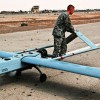
The "drone", one of the eminently controversial lethal weapons deployed by the United States in its war against terrorism, is obviously a dirty word in the U.N. lexicon.
Kenyan Men Turning the Tide Against FGM
For the Samburu community in northern Kenya it was bad enough that Julius Lekupe had not sired a son - it was even worse that his eldest daughter refused to be “cut”.‘Tsunami’ of Diseases Waiting to Hit
A tsunami is looming on the horizon and the world is unprepared for it. This one won’t be a massive wall of water but a tidal wave of disease – and experts say the international community needs to act fast to keep it from crashing.
Northern Mali Faces Food and Currency Shortages
Communities in northern Mali are in need of humanitarian intervention following the recent military operations in Gao and Timbuktu, leading non-governmental organisations to call for deliveries of food aid, fuel and even currency notes.
In Mali, Driving Out Rebels but Not Fear
“We know they are close. We do not feel safe,” mutters Allassane Traoré, as he stares down the road on which the Islamists entered the town of Diabaly in central Mali, almost two weeks ago.
Malians Digging Deep to Support War Effort
Malians, including students and businesses owners, are donating money to their military’s costly war against armed Islamic groups that have occupied the north of this impoverished West African country and committed atrocities against local populations.
The Open and Rocky Road Post-2015
What values does a Yemeni journalist who fuelled the Arab Spring hold in common with a former principal of the U.S. National Security Council? And how in turn will they see eye to eye with a Jordanian queen, or the president of Indonesia?« Previous Page — Next Page » *#*

The Week with IPS

NEXT STOP - SDGs
Tracking global progress towards a sustainable world
Tracking global progress towards a sustainable world
