
Wednesday, November 11, 2026



News and Views from the Global South
Armed Conflicts

U.S. Corporate Conflict Minerals Reports “Historic” But Incomplete
For the first time, nearly 1,300 U.S. companies have filed reports on whether the products they manufacture or sell are made with minerals that have bankrolled conflict in the Great Lakes region of central Africa.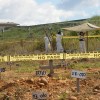
Let Colombia End Its Civil War
After half a century, Colombia may put an end to its conflict—if the U.S. will allow it.
Q&A: “We Need the Dissolution of NATO – It Has No Mission”
Since the collapse of the former Soviet Union, the United States has developed from a super power into a hyper power, says Subrata Ghoshroy, researcher at the Massachusetts Institute of Technology (MIT). This development has far reaching negative consequences in terms of global security – continual promotion of the international arms race as well as persistent devaluation of diplomacy and international law.
Separatist Violence Just One of Ukraine’s Problems
As Ukraine’s president elect Petro Poroshenko prepares to begin his presidency, Ukrainians are hoping he will not forget that separatist violence is just one of a long list of problems he needs to help solve in the country.

OP-ED: Obama Signals Reset of U.S. Foreign Policy
A supertanker sails a long way, they say, between the time the helmsman sets a new course and the moment when the vessel fully responds.Obama Stresses Multilateralism over Militarism at West Point
U.S. President Barack Obama Wednesday stressed multilateralism over militarism in what was billed as a major foreign policy address and a rebuttal to an ever-louder chorus of criticism, mostly by Republicans and neo-conservatives, that his tenure has been marked by weakness and retreat.Obama Announces Final Afghanistan Withdrawal by End-2016
U.S. President Barack Obama announced Tuesday his intention to withdraw all U.S. troops from Afghanistan by the end of 2016.
Somalia Warns Kenyan Refugee Expulsion Will Lead to ‘Chaos and Anarchy’
Somalia’s State Minister for Interior and Federalism Affairs Mohamud Moalim Yahye has told IPS that the hasty repatriation and mass deportation of its citizens by Kenya could compromise recent, critical security improvements made by regional governments against the Islamic extremist group, Al-Shabaab.
African Union Takes Stock of 51 Years as Terrorism Spreads Across Continent
As the African Union is set to celebrate its 51st birthday on May 25, it does so as the continent remains caught up in a tide of terrorist conflicts, which many analysts feel the AU has done little to resolve.
U.N. Reaches Dead End in Resolving Syrian Crisis
The United Nations has reached a virtual dead end trying to resolve the civil war in Syria - primarily as a result of the stalemate in peace talks and the continued deadlock in the Security Council.
Days After African Leaders Vow to Defeat Boko Haram, Bombings and Terror Continue
Multiple car bombs killed dozens Tuesday in the central Nigerian city of Jos, Plateau state, days after a security summit in France where African leaders committed to a “war” on Nigeria’s Islamist rebels, Boko Haram.
Tibetans Divided Over Cult of Martyrs
Nestled in the Kangra Valley in the shadow of the Dhauladhar Mountains in the northern Indian state of Himachal Pradesh, Dharamsala is beautiful to behold. But the scenic landscape belies a dark reality: the cult of martyrs that has developed in this town, home to the Tibetan government-in-exile since 1959.
Syrian Rebel-held Mountain Villages Preparing for Bigger Battles
In the mountains east of the coastal port of government-held Latakia, three years of regime bombardment has left swaths of blackened stumps in the mountain forests and crumbling concrete structures in Sunni villages, most of whose inhabitants support opposition forces.
The Biggest Mideast Crisis You Probably Don’t Know Enough About
The Middle East’s seemingly endless conflicts are diverting attention and resources from a graver long-term threat that looms over the whole region: the growing scarcity of water. And the situation will get worse before it gets better — if it ever does get better.
OP-ED: Violence Leaves Women, Girls, and Young People on the Edge in South Sudan
As with many conflicts and other humanitarian emergencies around the world, those who suffer the most are women, young girls and children. The current terrible crisis in South Sudan is no exception.
U.N. Decries Water as Weapon of War in Military Conflicts
The United Nations, which is trying to help resolve the widespread shortage of water in the developing world, is faced with a growing new problem: the use of water as a weapon of war in ongoing conflicts.
Syrian Doctors Grapple With Medical Emergency and Ethics
As once-eliminated diseases resurface and barrel bombs and alleged chlorine attacks target civilians, doctors in rebel-held areas and across the border struggle with issues of how best to serve their profession.
Syrian Kurds Ache For A Lifeline
“We all know that Ankara and Erbil have a joint plan to evacuate the entire region," Abdurrahman Hemo, head of the Kurdish Humanitarian Aid Committee tells IPS. "They want to choke the people here until they flee en masse."
No Silver Lining for Somalia’s Child Labourers
Twelve-year-old Halima Mohamed Ali wakes up every morning at five am, but unlike her peers she does not go to school. Instead, she begins her duties as a nanny for five children, the oldest of whom is just two years younger than she is.
Why Nigeria Couldn’t Keep Schoolgirls Safe and Why Paris Summit May Offer Hope
Tomorrow Nigeria’s President Goodluck Jonathan will meet other heads of state at a security summit in Paris, France to focus on ways of combatting Boko Haram, the Islamic extremist group which kidnapped 276 schoolgirls from Chibok in April.
OP-ED: Militarised Humanitarianism in Africa
As the world remains transfixed by the kidnapping of almost 300 Nigerian girls, there have been increasing calls for international intervention in the effort to rescue them. But what many people don’t know is that the U.S. military has been active in the region for years.« Previous Page — Next Page »





Armed conflicts are a sad constant on daily front pages worldwide. Wars, civil wars, revolts, coups, genocides, ethnic and political violence, and global terrorism capture our attention for the geopolitical landslides, human suffering, food crises and streams of migration that follow in their wake. As in times of natural disaster, man-made crises claim frequent casualties among the poor, women and children. IPS examines emerging and ongoing armed conflicts around the world with an eye on the underlying social and political dynamics, and special focus on the lived experiences of those most affected by armed conflict.

The Week with IPS

Tracking global progress towards a sustainable world
