Languages
Tuesday, November 17, 2026



News and Views from the Global South
Development & Aid
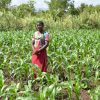
High Global Fertiliser Prices Overshadow Malawi’s Farm Subsidy Programme
Ellena Joseph, a small-scale maize farmer in Chiradzulu District in Southern Malawi, finished preparing her field early in October.
School Meals Coalition Hopes to Provide a Meal to Every Child
Meals at schools not only give each child a nutritious meal but increase enrolments, among other benefits.
Growing Amazon Deforestation a Grave Threat to Global Climate
For three weeks, the Brazilian government concealed the fact that deforestation in Brazil’s Amazon rainforest increased by nearly 22 percent last year, accentuating a trend that threatens to derail efforts to curb global warming.
Gender, Education and Drop Outs
While COVID 19 is keeping the world and news media in its constant grip and national politics often come to the forefront, it might be easy to forget urgent and nevertheless related matters. One is how global education has suffered and how children and youngsters have been forced to cope with a different reality. This aspect like so many other of human existence is gendered and while addressing education it is relevant to talk about changing gender roles as well.
New Pan-African Payments System Provides Big Relief for African Traders
When Fidelis Adele, the CEO of Freetown-based Solid Graphics, a printing and communications company, needed to order some printing equipment from Nigeria in September, he paid an extra $165 on top of a $10,000 bank transfer to the seller. Yet it took three days for the money transferred in Sierra Leone to be credited to the beneficiary’s account in Nigeria.
How to Tackle Africa’s Employment Crisis
The Covid-19 pandemic aggravated Africa's already severe employment crisis. The solution lies in a long-term political and economic transformation.
Ethiopia’s Civil War Fueled by Weapons from UN’s Big Powers
In Hollywood movies, the legendary Wild West was routinely portrayed with gunslingers, lawmen and villains—resulting in the ultimate showdown between the “good guys and the bad guys”. Linda Thomson-Greenfield, US ambassador to the UN, told the Security Council early this month that the warring parties in the devastating 12-month-long civil war in Ethiopia involve the Ethiopian National Defense Forces, the Eritrean Defense Forces, the Amhara Special Forces, and the Tigrayan People’s Liberation Front.
Ongoing Pandemic Push Africa’s Children Out of School
Kenya’s secondary schools’ administration has been in the eye of a storm since schools reopened in October 2021. Since then, students have set on fire 35 schools and counting, forcing the government to announce an unscheduled break from school – ahead of the planned December 23 closing.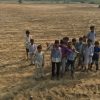
The Good, the Bad, the Ugly: What Went Wrong During India’s COVID-19 Response
From its devastating economic impact and the migrant crisis to the startling death toll, the COVID-19 pandemic in India unfurled one crisis after the other. The glaring gaps in our system, which had always been there, became even more prominent during the pandemic. There is one question at the back of everyone’s mind that still remains unanswered: What went wrong?
From Fruit Waste to Gourmet Grub
When Bonolo Monthe’s neighbours discarded bucketsful of fallen ripe morula fruit from their backyard, she saw food and fortune going to waste.
Climate Change with 8 Billion Humans
With world population approaching 8 billion humans, the demographic growth of nations is unfortunately largely ignored by governments whenever climate change is considered.
Protecting Environmental Water from Antimicrobial Resistance
The overuse and misuse of antimicrobial medicines and chemicals has become the main driver of antimicrobial resistance (AMR) and drug-resistant infections that threaten human health and the global economy.
Climate Injustice at Glasgow Cop-Out
The planet is already 1.1°C warmer than in pre-industrial times. July 2021 was the hottest month ever recorded in 142 years. Despite the pandemic slowdown, 2020 was the hottest year so far, ending the warmest decade (2011-2020) ever. Betrayal in Glasgow Summing up widespread views of the recently concluded Glasgow climate summit, former Irish President Mary Robinson observed, “People will see this as a historically shameful dereliction of duty,… nowhere near enough to avoid climate disaster”.
Corporate Fear Drives Caribbean Vaccine COVID-19 Mandates
When face-to-face Cabinet meetings resumed in Jamaica following more than a year of virtual meetings due to COVID-19, Ministers lined up to have their immunisation cards inspected.
It’s Time to Find Solutions to the Gendered Consequences of the Pandemic
The COVID-19 pandemic has had devastating effects across the globe, but the data and evidence show that women have borne the brunt of the crisis. While inequalities in health, economic power, and other areas existed long before the pandemic began, the pandemic has widened these gaps.
‘The Brutal Death of a Child’s Dream’
Kailash Satyarthi, an Indian social reformer and co-recipient of the 2014 Nobel Peace Prize, along with Malala Yousafzai, spoke in a recent international forum about the devastating impacts of child labour.
Time Honoured Food Traditions, Pleasing for Palate and Planet
Balance is the absolute key, says Alia Chughtai, a journalist who started a catering service with filmmaker Akhlaque Mahesar, by the name of Aur Chaawal (And Rice), two years ago.
Glossing Over in Glasgow – Some Thoughts on COP26
A week has gone by since COP 26 with 197 Parties ended in the Scottish city of Glasgow on extended time last Saturday. Climate change which covers wide array of issues affecting all living beings engaged the people around the world for COP 26 in a way never experienced since COP1 was held in Berlin in 1995.
Mental Health: Getting to Healthy, Happy
"I was told to wait and cry it out. How could I explain to them that I have been crying for years? That was not the solution," asks Azra Zeng, a divorced mother of four in an interview with IPS. "I wanted to speak to someone. I wanted to seek help where I could feel whole again. It felt that I was dying from inside, but no one could see."
Hunger, Desperation in Lebanon as Food Prices Rocket
On the streets of Beirut, Hadi Hassoun begs for a few pounds to feed his five children. He has little hope of a job, especially now that the economic crisis in Lebanon has destroyed wealth.
Why Seed Companies Fear México
Last month México’s Supreme Court provided hope for biodiversity, especially in the Global South, while flaming fear for seed companies. In a historic step, it ruled for corn advocates and against genetically modified (GMO) corn. The decision was a momentous act in country where maíz (corn) carries daily and sacred significance.« Previous Page — Next Page »


 2026 High-level Political Forum on Sustainable Development. Credit: UN Photo/Eskinder Debebe
In 2015, the United Nations and its Member States adopted the Sustainable Development Goals (SDGs) in an effort to make the world a more sustainable and peaceful place for future generations. Progress on the 17 SDGs has been uneven, and inequality persists across the globe. 10 years after adoption, the 2025 UN SDGs Report revealed that only 35% of the SDG targets are on track, with more than half moving too slowly, and 18% moving backwards from the 2015 baseline. Poverty remains one of the world’s most pressing issues, with hunger, violence, and inequality impeding the opportunities for all people to achieve success. In September 2024, the United Nations Summit of the Future introduced a new goal: to eradicate global poverty by 2030, ensure universal rights to basic services, and increase the overall standard of living in terms of industrialization, economic well-being, citizen health, and literacy. Furthermore, recent shifts in United States foreign aid policy – notably, major budget cuts to USAID and the termination of thousands of development programmes– have severely threatened vital lifelines of financial aid to impoverished communities around the world. Additionally, the United States’ withdrawal from the Paris Climate Agreement has undercut international efforts at sustainable development. With the upcoming 2030 deadline, the UN Secretary-General has called for urgent multilateralism across six priority areas: food systems, energy, digital connectivity, education, jobs and social protection, and climate and biodiversity. IPS sheds light on marginalized communities that struggle on a daily basis to survive and have their stories heard and respected.
Updated by Yilan Batista and Shuli Wong August 2026

The Week with IPS

NEXT STOP - SDGs
Tracking global progress towards a sustainable world
Tracking global progress towards a sustainable world
