Languages
Thursday, October 15, 2026



News and Views from the Global South
Editors' Choice

Inside GEF’s Blended Finance Push: Turning Public Money Into Private Capital Leverage
For most of the Eighth Global Environmental Facility (GEF) Assembly last month, the atmosphere inside Samarkand’s sprawling Congress Centre echoed a growing confidence of global environmental policymakers.
Towards a Human rights-Centred, Transformative Agenda Beyond 2030
The 2030 agenda cum SDGs are due to be completed in 2030, with negotiations towards a follow-up agenda to begin formally at the UN General Assembly in autumn 2027. Many direct or indirect discussions have, however, already begun, e.g. pluri-laterally at BRICS and G20 meetings and the EU; as well as at the UN in connection with the Summit of the Future, the Doha World Summit for Social Development, the Beyond GDP report; or in fora such as the Hamburg Sustainability Conference. Think tanks and academics, too, are brainstorming on how best to re-ignite a genuine commitment to the SDGs and at the same time reflect on the future.
CARICOM Leaders Gather in Saint Lucia as Caribbean Confronts Mounting Global, Regional Challenges
Caribbean leaders are meeting in Saint Lucia for their annual summit, confronting a convergence of global and regional challenges ranging from rising living costs and climate change to crime, food security and geopolitical tensions.
Africa’s Fourth Industrial Decade: From Political Mandate to Industrial Transformation
Amid shifting geopolitical, economic, and technological landscapes, it reflects growing international recognition that Africa’s sustainable industrial transformation is vital - not only for the continent’s future, but also for global prosperity.
Dry Monsoon in South Asia: Looming Fears of Agricultural Loss, Extreme Heat, and Disaster
Monsoon season in South Asia, including Nepal, is a period of frequent rainfall, extreme heat, and a busy time of the year for farmers. Most farmers in Nepal depend on monsoon rain to plant paddey, the main source of food.
U.S. Aid Withdrawal for HIV ‘Devastating’
A U.S. decision to cut off funding for HIV projects in South Africa has been condemned amid warnings it could be “catastrophic” for efforts to control the disease in the country.
US Slams Israel for Undermining Peace Negotiations with Iran –but Rift is Dismissed as a Passing Show
The on-again, off-again US-Iran peace negotiations, which have been disparaged by Israeli leaders, have resulted in a rare rift between the US and Israel, a Middle East ally which has had America’s unwavering “iron clad” support since its creation in 1948.
Xenophobia Won’t Bring Wealth – Only Misery – To South Africans Too
Usually, the fiesta to celebrate St Antony at the church with the same name in Crown Mines, Johannesburg, is a lively affair. The church is usually packed with congregants from the Portuguese community, including recent migrants from Mozambique and Angola.
War, Heatwaves and Energy Shocks Fuel Push for Clean Energy
The 30 COP gatherings may not have done what three months of US-Israeli war against Iran did: expose the world's vulnerability to fossil fuels.
From Nets to Numbers: How Kenya’s Small-Scale Fishers Use Data to Save Their Ocean
As the afternoon sun casts a golden glow over Mukwiro village on Wasini Island on Kenya’s Indian Ocean South Coast, Mwanasiti Mwalola, 26 and Mzungu Mohammed Dhossa, 45, stand at the community fish landing site, carefully receiving baskets of freshly caught fish from returning fishers. A weighing scale hangs before them, with a pen and notebook in their hands; the two have one duty: to collect data on the stock being delivered by artisanal fishers.
From Rotten Tomatoes to AI: Ugandan Commonwealth Youth Award Winner Takes Aim at Hunger Across Africa
Before anyone called her an innovator, before artificial intelligence entered the conversation, before solar-powered cold rooms, before the language of sustainable development, Shifra Ainomugisha knew food loss in its painful form.
In West Africa’s Benin, Women Make Centuries-Old Salt Production Methods Sustainable
It is barely noon, and a group of women sit near the beach on the outskirts of Djégbadji village, in West Africa’s Benin, sifting through mounds of salt harvested from the Gulf of Guinea’s ocean.
New GEF Project Raises Hope for Change in India’s Indigenous Lake Community
At dawn, when the waters of Dumboor Lake lie still under a pale grey sky, Santo Chakma, 63, nudges his narrow wooden boat into a reservoir that swallowed his childhood.
‘The World Knows What Must Be Done’: New SDG Report Urges End to Wars and Greater Investment in People
As the world enters the final years before the 2030 deadline for achieving the Sustainable Development Goals (SDGs), a latest United Nations report has revealed that economic uncertainty, climate change, conflict and growing geopolitical tensions are causing hurdles for the countries to meet the targets.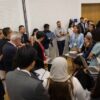
‘We Came for Action, Not Promises’: Developing Nations Voice Frustration as Bonn Talks Conclude
The United Nations June Climate Meetings (SB64) ended in Bonn with sharp disagreements between developed and developing countries over climate finance, adaptation support and emissions reductions, leaving negotiators with significant unresolved issues ahead of the COP31 climate summit in Antalya, Türkiye.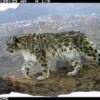
In Sikkim, Snow Leopards and Communities Share the High Mountains
The tea arrives before the conversation starts. Jayanta Mukhia sets two cups on the wooden table and pulls up a chair across from the couple who arrived that afternoon with trekking poles and rucksacks. They have come to walk the Goechala trail into the heart of Khangchendzonga National Park in India. They will leave in two days. Before they go, she has something to tell them.
New Caledonia’s Election to Set the Stage for New Talks With France on Its Political Future
The French overseas territory of New Caledonia in the Pacific will hold elections on 28 June in the wake of the latest agreement on its political status with France being rejected. The representatives elected in the three provincial assemblies and territorial congress will then determine a new round of negotiations as the mission of achieving consensus on New Caledonia’s future continues.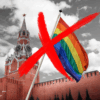
Systematic Vilification of Russian LGBTQ+ Community Pushes Them Underground
LGBTQ+ people in Russia are being forced to increasingly use self-censoring strategies in their daily lives as they struggle with systemic vulnerability, one of the largest surveys of the LGBTQ+ community in the country has shown.
Nuclear Nonproliferation Outcomes Stall in Backdrop of Geopolitical Strife
On principle, the nonproliferation of nuclear weapons is an issue that unites the international community. But for a select few states, these principles came with conditions and a refusal to compromise on their security strategy.
Africa Needs a Radical Plan to Tackle 15M Youth Job Crisis
Africa has no problem with ideas, but the struggle is in how to implement them, leaders said at an inaugural forum convened to promote action on development.
Papua New Guinea Bets on Indigenous Communities to Protect 700,000 Hectares of Highlands
The Global Environment Facility (GEF) has approved USD 6.4 million for a new conservation initiative in Papua New Guinea that seeks to protect 700,000 hectares of critical highland ecosystems by placing Indigenous Peoples and local communities at the centre of conserving and managing their ancestral lands.« Previous Page — Next Page »





The Week with IPS

NEXT STOP - SDGs
Tracking global progress towards a sustainable world
Tracking global progress towards a sustainable world
