Languages
Monday, October 19, 2026



News and Views from the Global South
Energy

Community Hydropower Dam Illuminates Life in Salvadoran Villages
Ermelinda Lobos's life has improved substantially since she and the rest of the people in her small village, hidden in the mountains of northeastern El Salvador, worked hard to build a mini hydroelectric plant and become self-sufficient in energy.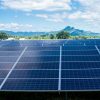
Intercontinental Energy Forum to Discuss Post-Covid Challenges
The economic recovery after the covid-19 pandemic, renewable energy, the gas situation, regulations and investment; mobility and transport, as well as new technologies and the progress of the Paris Agreement will be discussed at the Madrid Energy Conference from 28 September to 2 October.
Making State-Owned Enterprises Work for Climate in China and Beyond
President Xi Jinping announced on Tuesday China’s aim to become carbon neutral before 2060. Achieving this goal will require the support and engagement of China’s state-owned enterprises (SOEs), as they currently generate more than half of the country’s energy sector emissions. SOEs are major drivers of greenhouse gas emissions globally, particularly in emerging economies.
Looking for Jobs in Latin America – Can the Energy Transition Help?
Can the “energy transition” in Latin America help address the risks caused by greenhouse gases (GHG) on the climate, and the economic depression caused by the pandemic?
State-Owned Companies Are Key to Climate Success in Developing Countries, but Are Often Overlooked in the International Dialogue
Later this month, government officials and climate stakeholders will once again converge on New York City (this time virtually) for Climate Week and the United Nations meetings. And while there will be much discussion about the important role that actors such as private businesses, civil society and cities will need to play in the climate change effort, there will once again be relatively little discussion about one key cohort: government-owned companies.
Energy Cooperatives Swim Against the Tide in Mexico
A Mexican solar energy cooperative, Onergia, seeks to promote decent employment, apply technological knowledge and promote alternatives that are less polluting than fossil fuels, in one of the alternative initiatives with which Mexico is seeking to move towards an energy transition.
Firing Up India’s Clean Cooking Fuel Plan
Usage of liquefied petroleum gas (LPG) in rural Indian households has surged, partly due to India’s flagship clean cooking programme, but beneficiaries of the scheme consume less LPG than general customers per year, reports a new study.
A Not-To-Do List for Guyana’s New Administration When It Comes to Oil
Just over five years ago, a major oil discovery occurred on the northeastern coast of South America. There have been a series of additional discoveries ever since. But this time it was not Venezuela. It was Guyana.
Clean Cooking Transition: Pathways as Seen by Kenyan Villagers
The Sustainable Development goals on energy speak clear: universal access energy and clean cooking by 2030 (SDG7). But the current efforts are still lagging several steps behind the specific needs of the communities and are not enough to achieve energy access for all, especially clean cooking solutions.
Solar Energy Expands in Brazil Despite the Pandemic
Solar energy has continued to expand in Brazil during the COVID-19 pandemic and should contribute to the economic recovery in the wake of the health crisis.
Pros and Cons of a Super Regulator – The case of the Spanish Regulator
On June 10, 2020, Senator Ricardo Monreal, President of the Political Coordination Board of the Senate of Mexico, presented a legislative initiative to reform Article 28 of the Political Constitution of the United Mexican States, in order to cluster in a single regulator of economic competition, the Telecommunications, Broadcasting and Energy sectors.
Countdown to a Bitter Battle Over the Water of the Nile?
In the 1990s, after the collapse of the USSR, the idea that water would drive the wars of the future took hold among analysts and the media. Three decades later and that grim prospect has, fortunately, not yet materialised, and international cooperation, despite its ups and downs, is the norm in the management of transboundary waters.
Electrification of Transport: A Challenge for Urbanised Latin America
Electric transport, still limited in Latin America despite its urban benefits, could expand during the post-pandemic economic recovery, says Adalberto Maluf, president of the Brazilian Association of Electric Vehicles (ABVE).
Senegalese Women’s Participation in Energy Sector equals Empowerment
Aïssata Ba, 45-year-old widow and mother of seven children, has been practising market gardening for the past 30 years in Lompoul Sur Mer village in the Niayes area of north-west Senegal. For many women in the village, endowed with fertile soil and favourable climate, it is the primary source of income throughout the year.
Latin America’s Potential Green Hydrogen Economy
The COVID-19 pandemic and crisis has led to increasing attention and clamor to redouble efforts toward an energy transition that would help the world reduce C02 emissions. In many countries of the region, how to manage hydrocarbons, but with an eye on the energy transition has only been accentuated. We believe clean hydrogen is part of that broader policy and reconstruction debate.
Solar Power Fills Gaps in Underserviced Rural Argentina
Rice farmers in the Argentine province of Entre Rios often look like mechanics. "They're always full of grease, because they haul diesel fuel around all the time, for their water pumps," says local farmer Arturo Deymonnaz. He, however, doesn't have that problem, because he uses solar energy to grow his rice.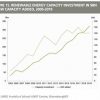
Falling Clean Energy Costs Create Opportunity to Boost Climate Action in COVID-19 Recovery Packages
As COVID-19 hits the fossil fuel industry, a new report shows that renewable energy is more cost-effective than ever - providing an opportunity to prioritize clean energy in economic recovery packages and bring the world closer to meeting the Paris Agreement goals.
Crisis Hits Oil Industry and Energy Transition Alike
While it attempts to cushion the effects of the coronavirus pandemic, the Latin American and Caribbean region also faces concerns about the future of the energy transition and state-owned oil companies.
Mexico’s Development Banks Fuel the Fossil Energy Trade
Since 2012, Teresa Castellanos has fought the construction of a gas-fired power plant in Huexca, in the central Mexican state of Morelos, adjacent to the country's capital.
The Crises of 2020 Will Delay the Transition to Clean Energy
The oil slump, global recession and uncertainty about the magnitude of the COVID-19 pandemic will fuel the appetite for cheaper fossil fuel energy and delay investments in renewables, affecting the targets of the Paris Agreement on climate change and the Sustainable Development Goals (SDGs).
Electricity Demand During Lockdown: Evidence from Argentina
Electricity demand normally depends on such variables as retail electricity rates, daytime temperature, time and day of the week, economic activity and consumer type (i.e. residential, commercial, industrial, etc.).« Previous Page — Next Page »





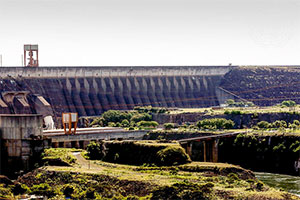 UN Power Plant, Paraguay. Credit: UN Photo/Evan Schneider
Energy has posed a great challenge for economies around the world. As global energy consumption skyrockets throughout the years, so does the need for sustainable solutions. The Sustainable Development Goals are essential in providing people with access to safe, affordable, and sustainable energy sources that minimize harm on the planet. Progress towards these goals opens the door for an advancement in modernization for communities on a global level and allows for a potential mitigation of tensions between nations.
The UN’s Summit of the Future in 2024 offered new initiatives that are being taken to achieve these goals, including a decreased reliance on fossil fuels, a switch to renewable energy sources, and improved climate financing.
IPS is well positioned to provide relevant, insightful, and compelling analysis of recent updates and measures being taken around the world to achieve a cleaner future.

The Week with IPS

NEXT STOP - SDGs
Tracking global progress towards a sustainable world
Tracking global progress towards a sustainable world
