Languages
Tuesday, November 10, 2026



News and Views from the Global South
Featured

A Safe Haven for Ousted Political Leaders Escaping Executions and Hangings
When world political leaders, mostly presidents and prime ministers, are ousted from power following military coups or street demonstrations, they flee to “safe havens” to avoid being jailed, executed by firing squads or hanged in public. Perhaps one of the secure “safe havens”—and a popular “political retirement home”-- is Saudi Arabia, a traditionally authoritarian regime, which has provided sanctuary for leaders from Uganda, Tunisia, Pakistan, Yemen and Qatar.
Tragic Irony of Hunger Deaths in Karamoja, Uganda Amidst Plenty of Climate Adaptation Technologies
Hundreds of people have died of famine in Uganda’s Karamoja region, and local leaders say that some people are now eating grass to survive.
Pariah Solidarity Between Myanmar & Russia
On August 3rd residents of the Myanmar capital Naypyitaw were suddenly awakened by the sound of military helicopters in the air. The helicopters hovered over the city all day. The way to the regime's foreign ministry was also blocked for hours.
Zimbabwe Makes First Journalist Arrests Under Cybersecurity Law
Zimbabwe's press freedom credentials suffered further criticism with the arrest of two journalists from a privately-owned newspaper charged with transmitting "false data messages."
Aid Workers Encounter Courage, Damage, Dislocation and Resilience in War-Torn Ukraine
During Todd Bernhardt’s visit to Ukraine’s conflict zones, he encountered untold damage to hospitals, healthcare clinics, and communities. The Senior Director of Global Communications at the International Medical Corps also encountered enormous courage.
Infrastructure Growth Threatens Brazilian Amazon with Further Deforestation
The mandatory initial permit granted by Brazil's environmental authority for the repaving of the BR-319 highway, in the heart of the Amazon jungle, intensified the alarm over the possible irreversible destruction of the rainforest.
Colombia’s New President May Need U.S. Blessing to Realize his Domestic Agenda
For the first time in its contemporary history, Colombia has a left-wing government. The presidency of Gustavo Petro, who took the reins August 8, marks a significant break from the political status quo. He also represents a stiff test for U.S. influence in Latin America.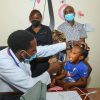
Bringing Specialist Telemedicine to Children of Rural Kenya
New telemedicine technology, Daktari Smart, aims to mitigate the gap between child patients and medical specialists in rural Kenya. Officially launched in November 2021, the system was built to help sick children have easy access to medical specialists minus the cost of being physically present (remote/digital access). According to them, this will help optimise the delivery of healthcare systems.
Racism Erased (and Erases) Black Intellectual Contribution to Brazilian History
The battle against racism and inequality will be a long one in Brazil, because a prejudice against the intellectual capacity of blacks is a problem rooted in the national culture, and even in the minds of Afro-Brazilians themselves, as well as highlighted in the country's official history.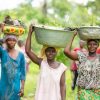
Indigenous Women at the Forefront of Transformational Change
The International Day of the World’s Indigenous Peoples, commemorated annually on August 9, is a day to celebrate the many contributions of the 476 million Indigenous peoples worldwide.
The Price of Bukele’s State of Emergency in El Salvador
The body of Walter Sandoval shows a number of dark bruises on his arms and knees, as well as lacerations on his left eye and on his head - signs that he suffered some kind of violence before dying in a Salvadoran prison, accused of being a gang member.
Researchers Embrace Artificial Intelligence to Tackle Banana Disease in Burundi
A group of scientists involved in finding solutions to minimize the impact of a devastating banana virus in Burundi have developed an Artificial Intelligence (AI) tool for monitoring the disease.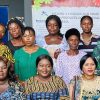
Women Play a Key Role in Food & Nutrition Security in Nigeria
In Nigeria, women play key roles in food and nutrition security through their contributions to agricultural production, their influence on how to allocate household income, and their efforts to ensure proper nutrition for all household members.
Nonagenarian Opposition Backer Contends for Change in Zimbabwe
Idah Hanyani, popularly known as Gogo Chihera, has backed the opposition since Zimbabwe gained independence in 1980. Born in Wedza, a district in Zimbabwe’s Mashonaland East province, the 91-year-old first supported United African National Council (UANC).
UN Chief Urges Governments to Tax “Immoral” & Excessive” Oil and Gas Profits
The war in Ukraine continues to have a devastating impact on the people of that country. Civilians are dying in the most tragic circumstances every day. Millions of lives have been destroyed or put on hold.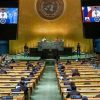
A Demographic Snapshot of the Philippines: One Step Forward, a Half Step Back
With the national election and transfer of power in the Philippines from outgoing President Duterte to incoming President Marcos Jr. in July 2022, it seems an appropriate time to briefly take stock of the country’s current demographic situation, as well as recent related developments.
The Politics of the Hangman’s Noose: Judge, Jury & Executioner
A spike in state-sanctioned executions worldwide – including in Iran, Singapore, Saudi Arabia, and more recently Myanmar – has triggered strong condemnations from the United Nations and several civil rights and human rights organizations.
Doubts Raised Over Conditions of Mexico’s Mangroves
Two extremes of coastal development can be found side-by-side in the small community of San Crisanto, in the municipality of Sinanché in Mexico’s southeastern Yucatán state.
Slow food, Accelerating Biodiversity in the Field and On Our Plates
Edward Mukiibi was forced to do agriculture at school as punishment for misbehaviour. Instead of hating the punishment, he loved it, especially when he realised farming was the future of good food, health and wealth.
The Myanmar Junta Continues to Wreak Death & Destruction
Myanmar has been embroiled in violence and civil unrest since the military ousted the elected government of Aung San Suu Kyi in a coup in February 2021. The initially widespread peaceful protests were crushed with deadly force by the military and police.
To End AIDS, We Need to End Punitive Laws Perpetuating the Pandemic
This week, the global HIV response community is gathering in Montreal to address the crisis of stalling progress that is putting millions of people in danger.« Previous Page — Next Page »





The Week with IPS

NEXT STOP - SDGs
Tracking global progress towards a sustainable world
Tracking global progress towards a sustainable world
