Languages
Wednesday, November 18, 2026



News and Views from the Global South
Gender

Women Make Progress in Politics, But Glass Ceiling Remains Unbreakable
Secretary-General Ban Ki-moon, a creature of the U.N.’s 193 member states and who serves at their will and pleasure, did not hesitate to fault 13 countries that kept women out of their national parliaments and governments in power.Guatemala Praised for Policies on Adolescent Girls
The government of Guatemala has been praised for a programme helping young women avoid unwanted pregnancies and finish their education.
200 Million Fewer Women than Men Online
Two hundred million fewer women have access to the internet than men, according to a report released Monday.Bridging the Gender Inequality Gap in the Media
Despite the vast number of media outlets and news sources worldwide, women and girls are still not getting enough attention in the news.
Opinion: The World Sees Progress Against Undernutrition, but it’s Uneven
In 2014, an estimated 805 million people – one in nine people worldwide – were estimated to be chronically hungry. All but 14 million of the world’s hungry live in developing countries, i.e., 791 million are in developing countries, where the share of the hungry has declined by less than half – from 23.4 per cent (1990-1992) to 13.5 per cent (2012-2014).Congolese Citizens Forced to Pay for Police, Protection Services
Parts of the Democratic Republic of Congo are as dangerous and lawless as ever, with police and the state offering citizens little or no protection from armed groups.
From the Mountains to the Sea, Timorese Women Fight for More
In Timor-Leste, the gap between rich and poor is most keenly felt by rural women and children. But while women are working hard to help rebuild Timor-Leste, their contributions are not always recognised, in a country where men’s narratives still heavily dominate.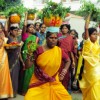
The 15 Journalists Putting Women’s Rights on the Front Page
Media coverage of maternal, sexual and reproductive health rights is crucial to achieving international development goals, yet journalists covering these issues often face significant challenges.
In India, an Indoor Health Crisis
For years, Kehmli Devi, a middle-aged woman from the village of Chachadeth in India’s northern Himalayan state of Uttarakhand, has prepared her family’s meals on a wood-burning stove.
World Misses Its Potential by Excluding 50 Percent of Its People
The meeting is billed as one of the biggest single gatherings of women activists under one roof.
Opinion: Bridging the Gap – How the SDG Fund is Paving the Way for a Post-2015 Agenda
The countdown has begun to September’s Summit on the Sustainable Development Goals (SDGs), with world leaders discussing the 17 goals and 169 targets proposed by the United Nations Open Working Group.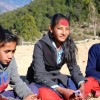
By Girls, For Girls – Nepal’s Teenagers Say No to Child Marriage
If not for a group of her school friends coming to her rescue, Shradha Nepali would have become a bride at the tender age of 14.
Opinion: Let’s Grant Women Land Rights and Power Our Future
Women are not only the world’s primary food producers. They are hardworking and innovative and, they invest far more of their earnings in their families than men. But most lack the single most important asset for accessing investment resources – land rights.
Tech-Savvy Women Farmers Find Success with SIM Cards
Jawadi Vimalamma, 36, looks admiringly at her cell phone. It’s a simple device that can only be used to send or receive a call or a text message. Yet to the farmer from the village of Janampet, located 150 km away from Hyderabad, capital of the southern Indian state of Telangana, it symbolises a wealth of knowledge that changed her life.
Opinion: It’s Time to Step It Up for Gender Equality
If we look at the headlines or the latest horrifying YouTube clip, Mar. 8 – International Women’s Day – may seem a bad time to celebrate equality for women.
Women Leaders Call for Mainstreaming Gender Equality in Post-2015 Agenda
Women leaders from every continent, brought together by U.N. Women and the Chilean government, demanded that gender equality be a cross-cutting target in the post-2015 development agenda. Only that way, they say, can the enormous inequality gap that still affects women and children around the world be closed.
For Women in Asia, ‘Home’ Is a Battleground
Nearly half of the four billion people who reside in the Asia-Pacific region are women. They comprise two-thirds of the region’s poor, with millions either confined to their homes or pushed into the informal labour market where they work without any safeguards for paltry daily wages. Millions more become victims of trafficking and are forced into prostitution or sexual slavery.
Everyone Benefits from More Women in Power
Women’s participation in decision-making is highly beneficial and their role in designing and applying public policies has a positive impact on people’s lives, women leaders and experts from around the world stressed at a high-level meeting in the capital of Chile.
Environmental Damage to Gaza Exacerbating Food Insecurity
Extensive damage to Gaza’s environment as a result of the Israeli blockade and its devastating military campaign against the coastal territory during last year’s war from July to August, is negatively affecting the health of Gazans, especially their food security.
Farm Projects Boost Bangladeshi Women, Children
Women in Bangladesh are carving healthier, wealthier futures for themselves and their children – and they have chicken eggs and pineapples to thank.
Opinion: Manipulate and Mislead – How GMOs are Infiltrating Africa
The most persistent myth about genetically modified organisms (GMOs) is that they are necessary to feed a growing global population.« Previous Page — Next Page »


Women make up half the world's population, but don't nearly share half of the world's wealth, well-being and opportunity. Two-thirds of the world poor are women, disproportionally exposing women to precarious living conditions, disease and unmitigated natural disasters. The media, meanwhile, remains a male-dominated sector in much of the world, contributing to women's voices lacking a crucial amplifier to put their concerns on political agendas and unleash the development potential of their ingenuity. Rather than then stereotypical victims of local and global forces, women are also organizer, innovators, conservators and community builders. These are some of their stories.

The Week with IPS

NEXT STOP - SDGs
Tracking global progress towards a sustainable world
Tracking global progress towards a sustainable world
