Languages
Saturday, November 21, 2026



News and Views from the Global South
Human Rights

200 Million Fewer Women than Men Online
Two hundred million fewer women have access to the internet than men, according to a report released Monday.
First the Taliban, then the Army, now Hunger: The Woes of Pakistan’s Displaced
A doctor shakes his head in despair as he examines a 10-year-old child at the Jalozai refugee camp, about 35 km by road from Peshawar, capital of Pakistan’s northern Khyber Pakhtunkhwa (KP) province.Bridging the Gender Inequality Gap in the Media
Despite the vast number of media outlets and news sources worldwide, women and girls are still not getting enough attention in the news.
Opinion: The World Sees Progress Against Undernutrition, but it’s Uneven
In 2014, an estimated 805 million people – one in nine people worldwide – were estimated to be chronically hungry. All but 14 million of the world’s hungry live in developing countries, i.e., 791 million are in developing countries, where the share of the hungry has declined by less than half – from 23.4 per cent (1990-1992) to 13.5 per cent (2012-2014).
Opinion: A Year of Progress for “Children, Not Soldiers”
One year ago, representatives of the last eight governments of the world named by the U.N. secretary-general for the recruitment and use of children in their security forces gathered at the United Nations in New York to declare they were ready to take the steps necessary to make their security forces child-free.
Bolivia’s School Meals All About Good Habits and Eating Local
A successful school meals programme that serves breakfast and lunch with Andean flavours to 140,000 students in La Paz gave rise to a new law aimed at promoting healthy diets based on local traditions and products in Bolivia’s schools, while combating malnutrition and bolstering food sovereignty.Congolese Citizens Forced to Pay for Police, Protection Services
Parts of the Democratic Republic of Congo are as dangerous and lawless as ever, with police and the state offering citizens little or no protection from armed groups.
From the Mountains to the Sea, Timorese Women Fight for More
In Timor-Leste, the gap between rich and poor is most keenly felt by rural women and children. But while women are working hard to help rebuild Timor-Leste, their contributions are not always recognised, in a country where men’s narratives still heavily dominate.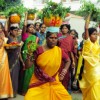
The 15 Journalists Putting Women’s Rights on the Front Page
Media coverage of maternal, sexual and reproductive health rights is crucial to achieving international development goals, yet journalists covering these issues often face significant challenges.
Opinion: A Legally-Binding Treaty to Prohibit Nuclear Weapons
Five years after the adoption of the NPT (Nuclear Non-Proliferation Treaty) Action Plan in 2010, compliance with commitments related to nuclear disarmament lags far behind those related to non-proliferation or the peaceful uses of nuclear energy.
World Misses Its Potential by Excluding 50 Percent of Its People
The meeting is billed as one of the biggest single gatherings of women activists under one roof.
Newly Recognised Indigenous Rights a Dead Letter?
Nearly three years after the rights of El Salvador’s indigenous people were recognised in the constitution, there are still no public policies and laws to translate that historic achievement into reality.
Can Indigenous and Wildlife Conservationists Work Together?
Indigenous and wildlife conservationists have common goals and common adversaries, but seem to be struggling to find common ground in the fight for sustainable forests.
Opinion: Bridging the Gap – How the SDG Fund is Paving the Way for a Post-2015 Agenda
The countdown has begun to September’s Summit on the Sustainable Development Goals (SDGs), with world leaders discussing the 17 goals and 169 targets proposed by the United Nations Open Working Group.42 Human Rights Groups Slam Indonesia’s Death Penalty
More than 40 human rights groups from around the world have penned an open letter to Indonesian President Joko Widodo, pleading for the halting of 10 imminent executions.
Opinion: Reforming Mental Health in India
India is not only poised for greatness, some say it is already on its way. The events that have shaped the nation's dialogue over the past month showcase an India with a bold vision – to transform industry, to close the gap on inequality and ultimately, to redefine its place as a leader among the world.Prominent Lawyer Defending the Poor Gunned Down in Mozambique
As billions pour into Mozambique from foreign investors scooping up fields of coal and natural gas, the signs of newfound wealth are impossible to miss.Burundi-Watchers See Erosion of Human Rights and Civic Freedoms
The bad old days of the 1980s and 1990s when Burundi was widely considered a police state may be making a comeback.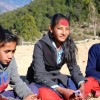
By Girls, For Girls – Nepal’s Teenagers Say No to Child Marriage
If not for a group of her school friends coming to her rescue, Shradha Nepali would have become a bride at the tender age of 14.
Opinion: Let’s Grant Women Land Rights and Power Our Future
Women are not only the world’s primary food producers. They are hardworking and innovative and, they invest far more of their earnings in their families than men. But most lack the single most important asset for accessing investment resources – land rights.Syrians “Have No Faith” in International Community to Solve Human Rights Crisis
Syrian citizens “have no faith” in the international community to solve the chaos and war raging across their country, according to a prominent human rights defender.« Previous Page — Next Page »


One world, one humanity, now one court to defend its rights. Another step towards universal human rights, but not remotely a step far enough. The United Nations adopted the Universal Declaration of Human Rights more than half a century ago, but that has done little to stop violations the world over, just as the Geneva Convention has not protected prisoners of war enough. Democracy itself and the freedom it presupposes has not been protective enough. This is the century to move from politicisation of human rights towards humanising political ways. IPS keeps an eye on that difficult path.

The Week with IPS

NEXT STOP - SDGs
Tracking global progress towards a sustainable world
Tracking global progress towards a sustainable world
