Languages
Sunday, November 29, 2026



News and Views from the Global South


Over Two Decades of Impunity for Environmental and Health Disaster in Peruvian Village
"We are not asking for money, but for our health, for a dignified life," is the cry of the people of Choropampa, which lawyer Milagros Pérez continually hears 22 years after the environmental disaster that occurred in this town in the department of Cajamarca, in Peru´s northern Andes highlands, on the afternoon of Jun. 2, 2000.
World Environment Day: Burden of Environmental Decline Falls Heavily on Poor and Vulnerable
Barnabas Kamau’s home sits on a wetland in Rumuruti Laikipia County in the Rift Valley region - considered Kenya’s breadbasket. He settled in the area 15 years ago, attracted by the wetlands’ fertile grounds as they provide favourable farming and livestock activities conditions.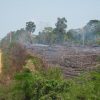
The Richest 1% Pollutes More than the Poorest 50%
As an introduction to this year’s World Environment Day on 5 June, this report deals with how the excesses of the world’s population, mostly in the wealthiest countries, are causing so much harm to Planet Earth.
Climate Change in South East Asia: Where are we and What are we Bound for?
It is increasingly clear that human health and wellbeing are being threatened everywhere because of global warming and environmental damage. Extreme weather events, sea level rise, increasing scarcity of freshwater, drought and high temperatures, combined with loss of biodiversity and other aspects of ecological degradation such as soil erosion and coral bleaching are all features of anthropogenic self-harm and an increasingly inhospitable planet for human society.
Transforming Africa: Just & Equitable Energy Transition
A global transition to lower-carbon energy sources is crucial for our species' survival given the worsening effects of climate change. With many people increasingly advocating for a rapid shift from an energy system dependent on fossil fuels, questions on how to make this transition arise - one that is just and equitable, especially in the developing world.
If Women Don’t Lead, We’ll Lose the Battle Against Climate Crisis
We are in the midst of so many crises across the Middle East and North Africa (MENA) region: the most unequal, water scarce, least democratic region in the world, with the widest gender gap, multiple armed conflicts raging across it, and fragile states on the brink.
Restore Land to Tackle Multiple Crises
Land is our lifeline on this planet. Yet ‘business as usual’ in how we manage land resources puts our own future on planet Earth in jeopardy, with half of humanity already facing the impacts of land degradation.
Pakistani Artists, Activists Fight for Refugee Status for Arrested Afghan Musicians
The arrest of Afghan musicians in Khyber Pakhtunkhwa province of Pakistan has elicited protests from local politicians, artists and rights activists who demand their release and say they should be allowed to stay as refugees.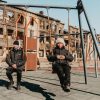
Ukraine Points Up the Threat to Education During War
Conflict has taken a horrific toll on civilians in Ukraine over the past three months with many families struggling to meet even their most basic needs, including education. Over 1,800 schools and universities have been damaged or destroyed since Russia’s invasion on February 24, according to Ukraine’s Education Ministry. Russian forces have shelled and bombed numerous schools. Both sides have used schools as military bases or for storing weapons.
Developing Countries and the Perfect Storm
Part I: What Should Developed Countries Do?
Developing countries – in Africa, in Asia, in Latin America and in the Middle East - are facing a combination of crises that are unprecedented in recent times. Over the last three years they have had to face the COVID-19 crisis, the food crisis, the energy crisis, the climate change crisis, the debt crisis and, on top of all this, a global recession. The crises have overlapped, and each has added to the problems created by the previous ones.

“Gun Control” at the Pentagon? Don’t Even Think About It
New outcries for gun control have followed the horrible tragedies of mass shootings in Uvalde and Buffalo. “Evil came to that elementary school classroom in Texas, to that grocery store in New York, to far too many places where innocents have died,” President Biden declared over the weekend during a university commencement address.
Sanctions Now Weapons of Mass Starvation
US and allied economic sanctions against Russia for its illegal invasion of Ukraine have not achieved their declared objectives. Instead, they are worsening economic stagnation and inflation worldwide. Worse, they are exacerbating hunger, especially in Africa.
Davos Fails on Financial Transparency – And Everything Else
At this year’s World Economic Forum (WEF) at Davos which ended last week, the attention of the world’s financial and economic elite was captured by the war in Ukraine whose president Volodimir Zelensky used his address to call to “complete withdrawal of foreign businesses from the Russian market”, despite 380 of the largest multinational companies still operating in Russia.
Xenophobia-hit Zimbabweans Saving Country’s Dead Economy
Two decades ago, Trynos Mahamba left Zimbabwe for the United Kingdom, but back home, he has changed the lives of his relatives. Since the day after he left, Mahamba (53) has been sending money home while Zimbabwe’s economy faltered amidst violent land seizures from commercial white farmers during Zimbabwe’s land reform programme.
How the Russia-Ukraine Conflict Impacts Africa
While Africa is yet to fully recover from the socio-economic repercussions of the COVID-19 pandemic, the Russia-Ukraine conflict poses another major threat to the global economy with many African countries being directly affected.
Rivers Have no Borders: The Motto of Their Defenders in Peru
"Water is part of our culture, it is intrinsic to the Amazon," said José Manuyama, a member of a river defense committee in his native Requena, a town located in the department of Loreto, the largest in Peru, covering 28 percent of the national territory.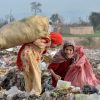
Upset with the Opulence of the Rich? But the World’s Children Are Paying the Bill
The excesses committed by rich people can be deadly–and in fact they are. Be it about food, energy or overall waste, such excesses have been depleting the world's natural resources and pushing both current and future generations towards the edge of a predictable abyss.
A Global Food Crisis: Shortage Amidst Plenty
India is being asked by the US government and the IMF to reconsider its decision to suspend wheat exports. Their cited concern is that export restrictions will exacerbate food shortages amidst Russia's invasion of Ukraine. But the argument does not stand ground technically or morally.
UN “Deeply Troubled” by Impending Cuts on Development Aid by Rich Nations
The four-month-old Russian invasion of Ukraine, which has triggered a hefty increase in military spending among Western nations and a rise in humanitarian and military assistance to the beleaguered country, is now threatening to undermine the flow of Official Development Assistance (ODA) to the world’s poorer nations.
COVID and Discrimination Aggravated Maternal Mortality in Latin America
Brazil had the dubious distinction of champion of maternal mortality in Latin America during the COVID-19 pandemic, with a 77 percent increase in such deaths between 2019 and 2021.
Weathering a ‘Perfect Storm’ of Cascading Crises
Climate change, COVID-19, the war in Ukraine – these crises threaten to derail development for 1.7 billion of the world’s most vulnerable people. The international community must take swift, coordinated action now to put the SDGs back on track.« Previous Page — Next Page »


Want to keep up with the latest news and views from the Global South? Sign up for IPS Daily News Report for daily emails with our top stories about international development, climate change, gender and more. (Formerly IPS TerraViva since 1993).

The Week with IPS

NEXT STOP - SDGs
Tracking global progress towards a sustainable world
