Languages
Wednesday, November 11, 2026



News and Views from the Global South
Asia-Pacific
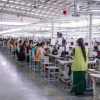
Working Class Bears Disproportionate Burden of COVID-19 Economic Fallout
Back in May 2019, we were visiting a large garment factory in Arsikere, Karnataka, when we asked some of the workers, “What would you do if you got Saturdays off?” Their responses to this simple question summed up their priorities. A majority said they would spend time with family or friends and take care of their children. Many said they would use this time to relax or do household chores. Only a few said they’d look for additional pay.
Secretive Mega-Trade Deal Rules Could Harm Asia’s Covid-19 Recovery
Fifteen countries will sign a mega-trade deal at the ASEAN conference this weekend imposing secretive restrictions on how governments help workers through the pandemic, trade union leaders and parliamentarians have warned.
In India, Ending FGM Demands Truth and Transparency
“My daughter is eight years old. In May 2017, I had her ‘Khatna,’ her circumcision, done. I had taken her to a traditional cutter. Once back home I made her sleep on the bed. After some time, around 4:00 p.m. I took her to the bathroom, she was bleeding as if she had started her menses. It seemed like she was urinating blood. By 6:00 p.m. my daughter had been bleeding so heavily, the blood had soaked three bed sheets and I was very worried. And my daughter was quiet and she also kept asking me if she will be fine.” Excerpt from: How I got her from the hands of death: WeSpeakOut study 2018
Vietnam Takes the Lead on Indo-Pacific Economic Integration
This was the year that Vietnam was poised to make progress on its rise as a regional leader. Under the auspices of Vietnam’s ASEAN chairmanship, a breakthrough in global trade has been achieved despite rising protectionism and a global pandemic.
Despite Conflict and COVID-19, Children Still Dream to Continue Their Education in Afghanistan
As if four decades of war were not enough, then came the pandemic. For each of the past five years, Afghanistan has been identified by the United Nations as the world’s deadliest country for children and, despite progress made in peace talks between the government and the Taliban, child and youth casualties from the ongoing conflict continue to mount in 2020.
Pandemic Induced Drop in Remittance Flows to South Asia
Remittances are an essential part of economic activity in low and middle-income countries (LMIC), including those in South Asia. Because of the pandemic remittances to LMIC are expected to drop from $548 billion on 2019 to $508 billion in 2020 and $470 billion in 2021. The implied growth rates for 2020 and 2021 are -7.2% and -7.5%. For South Asia the drop will be from $140 billion in 2019 to $135 billion in 2020 and $ 120 billion in 2021 with implied growth rates of -3.6% and -10.9%. https://www.knomad.org/publication/migration-and-development-brief-33
India: How Did Young People Access Care During the Lockdown?
COVID-19 has developed into an unprecedented public health crisis, the impact of which has been seen across global health systems and services. As the crisis continues to evolve in India, there is a need to examine the impact of the pandemic and ensuing nation-wide shutdown on young people’s lives, particularly, their experience of mental ill health.
Forced Child Marriage & Conversion: Public Discussion & Legal Reforms Called for in Pakistan
October 13 began like any other day at the Lal house as Raja Lal and his wife Rita Raja left for work at 7:30 am. "I made the usual breakfast of anda paratha (egg and flat bread) and told my eldest to lock the door from inside," Raja, who works as an ayah in a school, told IPS. Their 13-year old daughter, the youngest of their four children, did not go to school that day as her school shoes no longer fit and her parents hadn’t bought her a new pair yet. Little did they know that that day was the beginning of a nightmare for the Lal household. Their daughter would then allegedly be "abducted, forcefully converted and married in just one day”, Lal, a Christian, told IPS.
The Rape of India’s Dalit Women: It’s All about Gender & Class Subordination
Shabnam*, a young woman from Northern India’s Haryana state, is two years away from becoming a law graduate. She sees parallels between her own rape and that of the 19-year-old Maha Dalit woman whose brutal rape and torture by a group of men from a “dominant” or “higher” caste in the neighbouring state of Uttar Pradesh triggered nationwide protests.
Cultivating an Eco-friendly Culture in Indonesia’s Schools
In West Jakarta, Indonesia, teachers at the private Santo Kristoforus High School are so environmentally conscious they make other schools seem a little bit green when it comes to environmental education.
The United Nations, 75 Years Young: Engaging Youth Social Entrepreneurs to Accelerate the SDGs
This year, the United Nations is marking its 75th anniversary – a milestone of extraordinary economic and social progress in Asia and the Pacific. While the Organization enjoys a lifespan almost equal to the world’s improved average life expectancy, the future lies with those who have recently embarked on theirs: our young people.
Can Agroecology Feed the World?
Producing food and ensuring nutrition security, protecting the environment and restoring biodiversity, building sustainable and fair food systems: That’s the promise of agroecology.
Rising above the Hate Online – Indian Muslim Women Speak Out
When a minority woman with an opinion doesn’t comply with stereotypes, she is targeted with online hate, says award-winning journalist and senior editor at The Wire, Arfa Khanum Sherwani in an exclusive interview with Inter Press Service.
Human Trafficking Survivor Harold D’Souza: “The Perpetrators are More Aggressive Than Ever”
The fallout of the COVID-19 pandemic continues: as more people around the world lose their livelihoods, human trafficking is on the rise. Support services for survivors have been shut, and past gains to combat it have been reversed. Funding has dried up.
Enhanced Social Protection an Opportunity Asia Pacific Must Grasp
In the fight against COVID-19, success has so far been defined by responses in Asia and the Pacific. Many countries in our region have been hailed as reference points in containing the virus. Yet if the region is to build back better, the success of immediate responses should not distract from the weaknesses COVID-19 has laid bare. Too many people in our region are left to fend for themselves in times of need. This pandemic was no exception. Comprehensive social protection systems could right this wrong. Building these systems must be central to our long-term recovery strategy.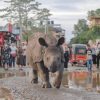
Climate Change: New Threat to Nepal’s Rhinos
Nepal’s population of one-horned rhinoceros that survived hunting, a shrinking habitat and wildlife trafficking are now faced with a new threat: changes in their living environment due to a rapidly-warming atmosphere.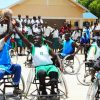
Disregarding Rights of Persons with Disabilities
The lack of consistency and a patchy approach undermines the Government of Nepal’s credibility in fulfilling the rights of persons with disabilities. One step forward and several steps back.
Changing the Lives of Bangladesh’s Rural Girls by Giving them a Tertiary Education
Nila Kispotta, a 19-year-old rural girl from the Oraon ethnic community, has become a figure of exceptional achievement to the small, poverty-stricken village in Thakurgaon in northwest Bangladesh that she grew up in. Born into a family of daily wage earners, Kispotta dreamt of a different life. So when she enrolled in tertiary education to pursue a diploma in Nursing Science and Midwifery — she achieved something her family and community hadn’t even dreamed was possible.
Forging Resilient Regional Supply Chains and Connectivity
Participation in global and regional supply chains has been one of the most reliable economic growth strategies, especially for developing countries in Asia and the Pacific. Smooth and efficient connectivity in both trade and transport has been indispensable to the region’s pursuit of the 2030 Agenda for Sustainable Development.
Empowering India’s Poor so They Don’t Return to Bonded Labour – Part 2
One day, while the rest of his family were out at work, Kamlesh Pravasi from Jigarsandih village in Azamgarh district of Uttar Pradesh was “abducted when I returned home one day from school, by a contractor’s goons,” he told IPS. The then 12-year-old Pravasi, who was in the sixth grade, was forced to work in bonded labour in a brick kiln because his father could not repay a Rs 5,000 ($68) loan he had taken out from the contractor in order to pay for medical treatment for Pravasi’s sick brother.
Nepal Is a Model for Vulture Conservation
Vultures get a lot of bad press. Unlike other birds which are praised for their melodious song or bright plumage, vultures have been traditionally reviled for feeding greedily on carcasses, and what many see is as a repulsive look. In many cultures, they are considered an ill omen and the Nepali language has many derogatory phrases.« Previous Page — Next Page »





The Week with IPS

NEXT STOP - SDGs
Tracking global progress towards a sustainable world
Tracking global progress towards a sustainable world
