Languages
Wednesday, November 11, 2026



News and Views from the Global South
Europe

Q&A: Press Ethics Under Scrutiny in the UK
Upheaval over a new system of press regulation, which envisages stronger government intervention in the media, is posing a growing threat to Britain's age-old press freedom and to that same freedom worldwide.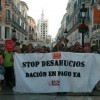
Defying Foreclosures in Spain
Shouting slogans against bank foreclosures, dozens of protesters in this southern Spanish city gathered Wednesday to prevent the eviction of a Moroccan family who couldn’t afford to meet their mortgage payments.CENTRAL ASIA: Disabled Citizens Find Avenues to Advancement Blocked
As a child, Feruza Alimova dreamed of becoming a lawyer so she could help disabled people.
Migrant Women Trapped in Sex Trade
When French police broke up a Nigerian human trafficking ring that allegedly forced young migrant women into prostitution, the arrests cast a sharp light on the plight of what the authorities called “modern-day slaves”, here and throughout Europe.EU Crisis’ Ripple Effects in Latin America
The crisis in Europe may provide an opportunity for Latin America and the Caribbean to recast the bi-regional relationship based on higher education and investments with a social and environmental focus, according to the ministerial Council of the Latin American and Caribbean Economic System.
Brazil Frustrated with European “Backtracking” on IMF Reforms
In the aftermath of last week’s elections to the International Monetary Fund (IMF)’s executive board, Brazil and others are expressing frustration that a reforms process aimed at increasing the representation of developing countries is being stymied by European countries.AZERBAIJAN: Baku Mulls “Green Tax” on Corporate Polluters
Azerbaijani officials appear to buy into the idea that taxation policy can be an effective way of managing the environment.TAJIKISTAN: Journalists Push Back Against Mounting Media Restrictions
In a country with no daily newspapers and soft-hitting state media outlets, the Internet is where an increasing number of curious Tajikistanis go for news and information. That’s apparently got officials worried.
Local Money Sets Its Own Stamp
Bristol, the eighth most populous town in the UK, has launched a local currency - the Bristol Pound. That makes it one of the largest localities to embrace a complementary currency among more than 2,500 worldwide.U.S. Military Assistance to Central Asia Highly “Opaque”
U.S. military assistance to key Central Asian governments has increased dramatically in recent years, but remains highly “unexamined”, according to new research presented in Washington on Tuesday.
Most EU Nuclear Power Plants ‘Unsafe’
The so-called ‘stress tests’ on nuclear power plants in the European Union (EU) have confirmed environmental and energy activists’ worst fears: most European nuclear facilities do not meet minimum security standards.
Purveyors of Death Flourish in Spain During Crisis
At the height of the economic and financial crisis, the Spanish government is promoting the export of weapons, creating concern among civil society organisations that say commercial interests are prevailing over the law and human rights.Death Penalty Campaigners Worry About the Steps Back
Ten years of campaigning by the World Coalition against the Death Penalty have brought fruit: the number of countries that have abolished capital punishment in law or practice has gone up to 140. But some countries have resumed executions this year.KYRGYZSTAN: Mining Sector in Nationalists’ Crosshairs
When nationalist MP Kamchybek Tashiev led his supporters over a fence surrounding parliament in early October, both foreign and local executives working in Kyrgyzstan’s mining industry braced for the worst.
Greek State on Life Support
Like a person on life support whose vital functions are failing, the Greek economy is slowly but surely shutting down as radiation from the so-called ‘austerity plan’ erodes public institutions.Besieged Homs Areas Endure Heavy Bombardment
Syria's military has intensified its shelling of rebel-held areas of the city Homs, activists say, amid reports of aerial and ground bombardment elsewhere in the country.
Helsinki Boycotts Tax Havens
The City of Helsinki added its voice to a growing global call against corporate tax evasion with the passage of a new responsibility strategy that leaves no room for unethical business practices.Turkey Authorises Use of Force in Syria
Turkey’s parliament has authorised cross-border military action against Syria, if deemed necessary by the government.UZBEKISTAN-TAJIKISTAN: Souring Political Relations Damaging Human Ties
This summer, a 32-year-old musician with Uzbek citizenship was visiting her mother in Samarkand, Uzbekistan. For the last decade, the musician has lived in the Tajik capital Dushanbe with her husband, an ethnic Uzbek, and their 10-year-old daughter.
Europe’s Support Crucial for Ongoing Arab Spring
The Arab Spring is far from over. The protracted conflict in Syria continues to swallow lives while the international community, hamstrung by geopolitics, looks on; riots across the Muslim world following the release of a low-budget American movie that is disrespctful of the Prophet Muhammad resulted in the death of U.S. Ambassador Chris Stevens in Libya; Tunisia and Egypt continue to struggle with post-revolutionary economies; and a string of democratically elected Islamist governments has taken root in newly-liberated countries throughout the region.Doubts Linger About Caribbean-EU Trade Pact
P.J. Patterson, the former Jamaican prime minister, has had a long relationship with the European Union.« Previous Page — Next Page »





The Week with IPS

NEXT STOP - SDGs
Tracking global progress towards a sustainable world
Tracking global progress towards a sustainable world
