Languages
Wednesday, November 18, 2026



News and Views from the Global South
Africa
ZAMBIA: The Extended Family – Blessing or Burden?
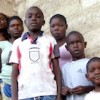
Peggy Kapanda has bad memories of the time she spent living with her uncle when she was young. She was treated as a second-rank child. But this only motivated her to do a better job herself. At her small home in John Laing compound, in Zambia's capital Lusaka, she and her husband take care of two other children in addition to their own three young boys.MALAWI: Uncertainty Over Role for Traditional Birth Attendants
When the ban on traditional birth attendants was lifted last year, pregnant women quickly appeared at Dorothy Chirwa's door in Malombe village in Mangochi, a district on the southern shores of Lake Malawi. Chirwa was among the thousands of TBAs banned from providing women with care in 2007.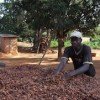
Ivorian Cocoa Producers Cry Foul Over Sanctions
The international community's efforts to deny embattled president Laurent Gbagbo access to funds from cocoa exports have resulted in hundreds of thousands of tonnes of Ivorian cocoa surfacing in neighbouring countries.AFRICA: Pneumonia Vaccine Rollout Will Protect Millions
The Kenyatta International Conference Centre resembled one big nursery with parents and their crying babies. Hundreds of parents with their infants thronged the Centre where they received their first shot against pneumonia, and not even their tears as the shot broke through their skin could dampen the smiling faces of their mothers.WATER: Working Together on River Management
Postwar Angola is keen to expand irrigation for much-needed development, Namibia is prioritising clean drinking water and sanitation, while Botswana wants to preserve the integrity of the world-renowned Okavango Delta for tourism.
NAMIBIA: Water in the Kambashu
For Namibia's capital city, the goal of sustainable water and sanitation is a major challenge for the 21st century.Botswana Parliament’s Speaker a Well-Loved Woman
It would have been hard for a teenaged Margaret Nnananyana Nasha to imagine that she would grow up to become one of the most powerful figures in Botswana's government.
SOUTHERN AFRICA: Non-Tariff Trade Barriers Springing Up
Despite regional initiatives that even include the eventual possibility of a ‘‘Cape- to-Cairo’’ free trade area, protectionist impulses have caused non-tariff barriers to spring up across Southern Africa.
Mauritian Women Dreaming of Active Politics
"We have had enough of the training given to us in cooking, sewing and household works... We now have another dream: of participating actively in the development of our island at decision-making level," says Marie-Anne Laganne, a political trainer at Women In Politics.KENYA: Budget Too Small to Cover Health Needs
Professor Anyang Nyong'o might have guessed that a trip to the United States for treatment for prostate cancer would provoke a furore: he is the Minister for Medical Services.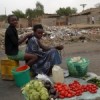
Mass Protests Fail But Angolan Activists Remain Defiant
An attempt to organise a mass protest against the government in Angola’s capital Luanda this week may have fallen flat, but there is no doubt that a fuse has been lit among people who for so many years have not dared to challenge authority.
MALAWI: In Praise of Dry Sanitation
At its best it is waterless, odorless, eminently affordable and has a rich fertiliser as byproduct, yet for residents of Malawi's informal settlements, dry sanitation retains a whiff of the unwanted.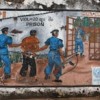
WOMEN’S DAY: DRC Mobile Court a Sign of Hope
Eleven soldiers found culpable in the rape of more than 50 women in the Congolese town of Fizi Centre in January, have begun serving lengthy sentences in the provincial capital, Bukavu. Their speedy trial and sentencing by a mobile court is a welcome sign of a new commitment to ending impunity for sexual violence in the Democratic Republic of Congo.WOMEN’S DAY: Reflecting on Struggle for Equality in Kenya
"It is yet another significant day in the life of women across the world in the struggle for gender equality and equity. It is for this reason that women look forward to marking yet another International Women Day," says Janet Kanene, a gender studies university student.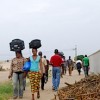
Growing Humanitarian Crisis in Cote D’Ivoire
The U.N. has announced that some 200,000 people have already fled the Abobo neighbourhood, in the north of Abidjan. Each morning for a week now, luggage on their backs, bundles on their heads, the sick riding in wheelbarrows, new borns cradled in their arms, thousands of people have fled Abobo on foot.Medicine Alliance Fighting Corruption in Zambia
"I had always associated corruption with politics and business," laments Chalwe Kabwesha. "When I failed to access ARVs and TB drugs at our clinic because of corruption, I got worried."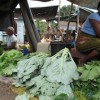
AFRICA: World Bank Identifies Five Poor States as “Growth Poles”
Africa faces an unprecedented opportunity to transform itself, says the World Bank. Its new strategy for the continent aims to leverage growing South-South investment to ensure more inclusive development, while identifying five poor states as "Growth Poles".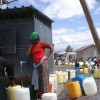
KENYA: Profiting From Better Sanitation
She contributed towards building toilets for her community; in return Teresia Wasuka is getting a home to call her own.
SOMALIA: Rising Human Cost of AU Mission
On Feb. 19, the morning after Uganda's presidential elections, Michael Muhamuza called home and spoke to his cousin and his brother; a regular check-in with the family.
SOMALIA: New Partners for Peace Needed
The four-year old African Union Mission in Somalia is fighting a desperate defensive action in support of a transitional government that is "corrupt and inept", according to the International Crisis GroupIvorian Women Fatally Shot at Rally
Security forces loyal to Laurent Gbagbo, Cote d'Ivoire's disputed president, have shot dead at least six women at a demonstration in support of his rival, Alassane Ouattara, witnesses said.« Previous Page — Next Page »


The Week with IPS

NEXT STOP - SDGs
Tracking global progress towards a sustainable world
Tracking global progress towards a sustainable world
