Languages
Sunday, November 15, 2026



News and Views from the Global South
Asia-Pacific
Citizen Group Tracks Down Japan’s Radiation
The aftermath of the Fukushima Daiichi nuclear crisis has been marked by an outcry in Japan over radiation leaks, contaminated food and a government unable to put the public's fears to rest.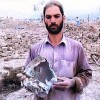
PAKISTAN: Videogames Pictured Killing the Innocent
‘Gaming in Waziristan’, a current photo exhibition, graphically supports charges that drone strikes carried out by the United States military and intelligence in Pakistan’s tribal areas kill more civilians than Taliban.
NEPAL: Peace Fails to Stop Female Workers’ Exodus
Six years ago Shantimaya Dong Tamang went to Kuwait to work as an illegal domestic worker, falling for brokers’ tales of how she could earn good money and stand on her own feet.
NEPAL: Improved Wood Stoves Save Health, Environment
When Binita Lamichhane got married she was troubled by her husband's bloodshot eyes. "What happened to your eyes?" the 18-year-old bride asked. "Smoke," came the answer.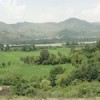
PAKISTAN: Tourism Takes On Taliban
Standing in the busy main market place of Mingora, it is hard to think that just two years ago this city in Swat district was under the tyranny of the Taliban.
RIGHTS-SRI LANKA: Recovery of Disappeared’s Body Raises Hopes
The details would have done credit to the plot of a spy thriller, except they are chillingly real.CHINA: Microbloggers Launch Long March to Freedom
China’s rapidly growing legion of microbloggers is proving a worthy foe against ongoing government efforts to monitor, influence and censor information on the country’s vast Internet. Government efforts have failed to curb an outpouring of anger and grief in the wake of the recent Wenzhou train disaster.Fukushima Clouds Hiroshima Anniversary
Matashichi Oishi, 78, a radiation victim from Bikini Atoll, the site of a U.S. hydrogen bomb test in 1954, will make his annual lone visit this week to commemorate the Aug. 6 anniversary of the nuclear bombing of Hiroshima 66 years ago.No Let-Up in Karachi Violence
There has been more violence in the Pakistani city of Karachi, where at least 42 people have been killed since Monday.NORTH KOREA: Food At Last for the Hidden Hungry
"Even if 100,000 people die of starvation in North Korea, foreigners working there will not see it," says a humanitarian worker who spent three years in the impoverished, communist country.JAPAN: Record Radiation Levels at Fukushima Nuclear Plant
Record levels of radiation have been recorded at the damaged Fukushima Daiichi plant reactor, just months after the nuclear accident resulting from the earthquake and tsunami in March.
CHINA: Tianjin Embraces its Colonial Legacy
When the old Astor Hotel reopened to great fanfare from the local city fathers here in 2010, it marked more the return of the "Grande Dame of Tianjin" to the city’s growing collection of luxury hotels. It was a travel back to the future. It manifested the city leaders’ eagerness to embrace and rebrand the colonial heritage as a way of boosting Tianjin’s modern identity.Nuclear Plant Now an Anti-Nuclear Attraction
Environmental groups hope that a mothballed nuclear power plant on Bataan peninsula will become a major tourist attraction and earn green dollars for the country.
RIGHTS-INDIA: ‘Juveniles Get No Justice in Kashmir’
Kashmir’s juvenile justice system is sorely deficient for a state ridden with a long, and often violent, separatist conflict that attracts youth, say lawyers and rights activists.NEPAL: Religious Practices Oppress Women
The recent gang-rape of a Buddhist nun and her expulsion from her sect have sparked a debate about the deep-rooted religious traditions and biases that foster discrimination and violence, especially against women, in this South Asian state.
Wealthy Pakistanis Leaving Taliban Areas
Wealthy Pakistanis from the country’s northwestern region are leaving their hometowns permanently to settle in safer areas far from the war zone. Doctors and other professionals are joining the exodus.
PAKISTAN: After the Flood, Green Homes
Subhan Khatoon’s brand new home is nothing like the one that got washed away, along with all her worldly goods, in the 2010 monsoon floods that submerged a fifth of Pakistan and left 2,000 people dead.People Find Online Power Now in Malaysia
Following a major rally involving tens of thousands of protesters calling for electoral reforms in Malaysia, someone set up a Facebook page calling for Prime Minister Najib Razak to step down. Within ten days, the number of people who said they "like" the page crossed 200,000.India and Pakistan Prepare for Peace Talks
Senior Indian and Pakistani officials have held discussions in New Delhi, the Indian capital, that will lay the groundwork for formal peace talks set for Wednesday.
BANGLADESH: Tribal Women Take on Forest Ranger Roles
Jasinta Nokrek loves nothing better than to range through the dense Modhupur forest, the way her Garo tribal ancestors have always done.
In Sri Lanka Democracy Rides on Wheels
If voters in this remote village, deep inside Sri Lanka’s former war zone, turned out in strength for the historical Jul. 23 local body elections, it had to do with the availability of buses to ferry them to the nearest polling station 20 km away.« Previous Page — Next Page »


The Week with IPS

NEXT STOP - SDGs
Tracking global progress towards a sustainable world
Tracking global progress towards a sustainable world
