Languages
Tuesday, November 17, 2026



News and Views from the Global South
Global

Rio Outcome Bleak With No New Funding*
Amidst recrimination, anger and charges of “strong arm tactics”, negotiators eventually endorsed a global plan of action for sustainable development following marathon sessions lasting over six weary days.
U.N. Paper Factory Threatened with Closure
One of the world's largest "paper factories" – a dubious title traditionally conferred on the United Nations - is on the verge of running out of business.Spicing Tradition With Taste
Kosher, in spoken English, might mean ‘proper’, ‘acceptable’, ‘legitimate’. Yet, sourced in the Bible, the Hebrew word incontrovertibly finds its way in Jewish cuisine. Food is kosher when suitable for consumption – that is, according to a set of religious dietary laws or kashrut.
Rio+20: Creating a Future Girls Want
On a wall in the Rio conference centre is an unusual, brightly coloured tree. It is made of sticky notes, arranged so that the tree's branches extend down and out. On these notes, delegates passing by the World Association of Girl Guides and Girls Scouts (WAGGGS) have been asked to write down the futures they envision.African Conflicts Push New Refugee Population to 11-Year High
Civil conflicts in four African nations helped push some 800,000 people to seek safe haven in foreign countries during 2011, according to the annual report of the United Nations High Commissioner for Refugees (UNHCR), released Monday.
Q&A: Planting the Seeds for Sustainable Development
By now, the dilemma is well recognised but hardly solved: as the global population grows, resources become increasingly scarce. Indeed, food production will have to increase by a whopping 60 percent by 2050 in order to meet the future demand for food and agricultural products.Technology Bolsters Cooperatives’ Chances of Success
The success of cooperatives, values-based associations owned and managed by their own clients and hailed as an alternative business model, is highly dependent on their use of information and communications technologies (ICTs), experts say.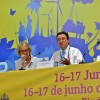
RIO+20: Ignoring Science, Negotiations Become Political Battle
The science is crystal clear: humans are threatening Earth's ability to support mankind, and a new world economy is urgently needed to prevent irreversible decline, said scientists and other experts at an event on the sidelines of the Rio+20 Earth Summit.
Youth Farmers Have Great Needs and Low Expectations from Rio+20
Ulvia Abdullayeva, from Ganja in western Azerbaijan, has come to Rio to deliver a simple but critical message to world leaders and her national authorities: small farmers need protection and financing.
RIO+20: The Two Faces of BRICS Development Aid
The BRICS countries (Brazil, Russia, India, China and South Africa) face a key choice: to opt for "good" development aid, based on sustainable development, or for the "bad" old traditional model, which they criticised when they were its recipients.
UN, People’s Summit Clash over Green Economy
U.N. Environment Programme Executive Director Achim Steiner believes that he and the Rio+20 People’s Summit agree that the global economic model has caused the current environmental destruction. But the discussion on what to replace it with turned into an acrid debate.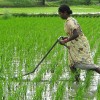
New Set of Sustainable Development Goals Looks Beyond 2015*
When world leaders from over 100 countries wind up their three-day Rio+20 summit in Brazil next week, they will leave behind the shattered remains of a slew of proposals that never got off the ground.
RIO+20: Developing Countries Accept Green Economy*
It’s not true that developing countries conditioned the inclusion of the green economy in the final document at Rio+20 on clearly defined provisions for financing, the head of the Venezuelan delegation, Claudia Salerno, told TerraViva.Resolution on Arms Trade ‘Bold but Not Bulletproof’
The European Parliament sent a bold message to the world last week with its comprehensive and ambitious resolution to put an end to the illicit global arms trade. But analysts regret the new resolution ignores several key factors, such as the impact of the arms trade on the socio-economic development of recipient countries, and the involvement of civil society in future negotiations.
Rio+20: Concrete Goals the Only Recipe for Success
Goals drive action, and that's why establishing a set of Sustainable Development Goals is so important to put the world on a sustainable pathway, experts said Saturday under the tropical fig and palm forest that covers much of the ground at the Pontifical Catholic University of Rio de Janeiro.
Europe and Former Colonies Urge Action at Rio+20
Europe and 79 of its former colonies have sent a strong message to the U.N. Conference on Sustainable Development in Brazil next week that it should use the opportunity to both fulfill past promises and deal with "new and emerging challenges".
People’s Summit Alive With the Sound of Voices
Swallowed up in the crowd in front of the spectacular Guanabara Bay, indigenous leader Apolinario from Brazil’s Amazon rainforest acted as an impromptu guide on the first day of the People's Summit in Rio de Janeiro.
Earth’s Future Not for Sale, Activists Say
Just ahead of the start of the United Nations Conference on Sustainable Development (Rio+20), many are worried about the influence that corporations will have on the summit's agenda.G20 to See Showdown on IMF Reforms
The head of the International Monetary Fund (IMF), Christine Lagarde, on Wednesday urged countries to act on a suite of reform measures that would significantly increase the voices of developing countries within the agency.
Q&A: Battle for Human Rights in Rio Is “Far From Over”
Human rights should be explicitly recognised as an indispensable ingredient of sustainable development at the Rio+20 summit in Brazil, says Navanethem Pillay, United Nations High Commissioner for Human Rights.
Indian Ocean Rim Countries Battered by Disasters – Part 2
The heat wave in the Indian state of Orissa, which saw a 10-degree Celsius increase in summer temperatures last month, claimed 21 lives, according to government sources; unofficial estimates counted 87 deaths.« Previous Page — Next Page »


The Week with IPS

NEXT STOP - SDGs
Tracking global progress towards a sustainable world
Tracking global progress towards a sustainable world
