Languages
Monday, November 23, 2026



News and Views from the Global South
Latin America & the Caribbean
ST. LUCIA: Shootout Fuels Debate over Extrajudicial Killings
By their own account, the police said they had been monitoring five men who attempted to rob a restaurant in the south of the island, and in the ensuing gun battle, four were shot and killed, while the fifth died a few days later in hospital.ARGENTINA: Small Loans, Big Solutions
Avoiding the costs of traditional microcredit models, remote communities in the La Puna high plateau region in northwest Argentina have launched a successful loan programme that enables them to meet extraordinary expenses such as weaving material, school supplies or medicine.
BRAZIL: Women Break Down Barriers in Heavy Construction
They represent just seven percent of the workers building the Santo Antonio hydroelectric dam on the Madeira River, which cuts across the Amazon jungle in northwest Brazil. But the women workers total 1,200, and many of them have had to break down barriers to jobs seen as the preserve of men.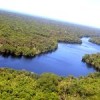
Guatemalan Beaches Threatened by Iron and Gas Operations
"If they come here to extract iron from the beach, it will mean the destruction of our natural wealth and the end of tourism," warned Leonel Palma, a hotel employee in Puerto de San José on Guatemala’s Pacific coast, where the government has granted mineral exploration licenses.
BRAZIL: Despite Historic Victory, Gay Rights Struggle Far from Over
Although gay rights organisations in Brazil are celebrating a historic triumph, legal recognition of civil unions by the Supreme Court, they say the struggle is far from over.
BRAZIL: New Forest Code Could Hinder Climate Goals
The adoption of a new Forest Code in Brazil could threaten efforts to curb Amazon deforestation, which was reduced 70 percent between 2004 and 2010.
BRAZIL: Amnesty Highlights ‘Entrenched Inequalities’
Despite "considerable progress" made in reducing poverty, "stark inequalities" remain in Brazil, as well as high levels of police and gang violence in poor urban neighbourhoods, Amnesty International warns in its annual human rights report, released as it reaches its 50th anniversary.MEXICO: Little Oversight of Radiation Sources
In spite of the potential risks posed by unwanted or uncontrolled radioactive materials, Mexico lacks comprehensive mechanisms to keep track of these "orphan" sources, originally used in medicine or industry, and to prevent them going astray.PERU: Native Birds Under Threat from Illegal Logging
Unique species of native birds live in the transition zone in Peru between the Andes mountains and the Amazon rainforest, where illegal deforestation is destroying their habitat.
Young Panamanians Develop Antibodies Against Violence
In Panama's largest cities, minors under 18 not under supervision of an adult must be off the streets after 9:00 p.m. The juvenile curfew law means some spend several days behind bars until someone shows up to pay the fine.
SOUTH AMERICA: Curbing Land Purchases by Foreign Investors
The governments of Argentina, Brazil and Uruguay are drafting laws to curb acquisition by foreigners of extensive tracts of their fertile agricultural land.MEXICO: REDD Rag to Indigenous Forest Dwellers
The implementation of a forestry programme against climate change in the southern Mexican state of Chiapas poses a threat to indigenous people in the state, non-governmental organisations warn.
BRAZIL: Accusations Mount against Pulp and Paper Giant
Brazilian and international environmental organisations and peasant farmer movements are taking aim at the forestry industry once again, this time accusing transnational corporation Stora Enso of illegally profiting from the production of wood pulp in the state of Bahia.
MEXICO: Four-Day March against Violence Calls for Social Pact
"I want to request the resignation of the Secretary (Minister) of Public Security. We want a message today from the president, showing that he did hear us," said poet Javier Sicilia before a crowded square overflowing with demonstrators who participated in a four-day-long March for Peace with Justice and Dignity in Mexico.
Indigenous Craftswomen Take on Mexican Fashion World
Reina Pérez, an Otomi indigenous craftswoman in the central Mexican state of Querétaro, skilfully embroiders "grecas" or traditional design motifs in threads of many colours, on fabrics that will be used to make dresses, skirts and blouses.
DOMINICAN REPUBLIC: Four Percent for Education
The government of the Dominican Republic, where one-third of the population of is under 14 years of age, is facing a well- organised and growing citizens' campaign to increase the amount spent on public education.ARGENTINA: Targeting Teens in Prevention of Gender Violence
"If I had only known that when I was young," or "if they had only told me" are just some of the statements made by many women who seek assistance at the centre for victims of gender violence set up by the local government in a town on the outskirts of the Argentine capital.CENTRAL AMERICA: Boosting Small Enterprise to Fight Poverty
Small and medium-sized companies in Central America are the targets of foreign development aid programmes aimed at fighting the region's high poverty levels.
ENVIRONMENT-CHILE: Fishing Villages Turn to Int’l Justice in Fight Against Waste Duct
Fisherfolk and indigenous people in southern Chile have petitioned the Inter-American Commission on Human Rights in their 15-year conflict with Celulosa Arauco y Constitución (CELCO), a paper pulp company which plans to dump toxic waste in the ocean, and with the Chilean state for alleged human rights violations.ECUADOR: Correa Set for Victory in Referendum
Pollsters predict that a majority of voters in Ecuador will approve a package of reforms backed by leftwing President Rafael Correa, in a May 7 referendum that has further polarised the population.
BOLIVIA: Dam Spells Hope and Fear for Small Jungle Town
Arturo Sánchez, 72 years old and nearly blind, dreams of bringing ecotourism to Cachuela Esperanza, a Bolivian town of 1,336 people on the Beni river, and hopes the construction of a huge hydroelectric dam will give a boost to his dreams.« Previous Page — Next Page »


The Week with IPS

NEXT STOP - SDGs
Tracking global progress towards a sustainable world

