Languages
Tuesday, November 24, 2026



News and Views from the Global South
Latin America & the Caribbean
COSTA RICA: Chinchilla to Join Club of Women Presidents
Laura Chinchilla of the governing National Liberation Party (PLN) will be the first female president of Costa Rica and the ninth in the history of Latin America.
MUSIC-BRAZIL: ‘Enchanted’ Guitars for Social Change
Perfectly in tune, in spite of the off-key world of Terra Encantada ("Enchanted Land"), a shanty town in this Brazilian city, the guitars of Daniel Sant'Anna's orchestra strike up the "Ode to Joy", played by children and teenagers who are looking for a way forward in their lives.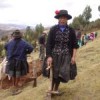
PERU: Women Combine Invention, Tradition to Improve Rural Diets
Although Huancavelica is the poorest region of Peru, it has more than just poverty, malnutrition and unmet needs. There are also women using their creativity, efforts and traditional indigenous knowledge to improve the diets of their families and communities.MEXICO: Street Stalls, Web Visible Face of Neo-Nazism
Street stalls in the centre of the Mexican capital openly display books and publications that are sympathetic to Adolf Hitler and Nazism, indicating that there is public demand for such items.
COLOMBIA: Same Paramilitary Abuses; New Faces, New Names
A leading international rights group urged the Colombian government to take action against what it called the "successors" to the far-right paramilitary militias, which continue attacking civilians and human rights defenders.COSTA RICA: Luxury Homeowners Evade Solidarity Tax
The first attempt to collect a new tax on luxury homes in Costa Rica has ended in failure, in spite of the fact that it is a solidarity tax entirely devoted to building social housing for slum-dwellers.MEXICO: Women – Casualties in Army’s Counternarcotics War
Human rights organisations in Mexico and the United States sounded the alarm about abuses against women by the Mexican armed forces in the context of the government's all-out offensive against drug trafficking in the border state of Chihuahua.CHILE: Activists Fear Setbacks Under Rightwing Government
Trade unions and non-governmental organisations in Chile are worried that rightwing billionaire Sebastián Piñera's election as president will mean setbacks in terms of social policy and respect for labour and social rights.RIGHTS-GUATEMALA: The Best-Kept Secrets – the Military’s
Human rights groups are worried that the declassification of military archives dating from Guatemala's 1960-1996 civil war, which left more than 200,000 victims, by a special commission will not go far enough in terms of clarifying the atrocities.
BIODIVERSITY: The Amazon Is Not Eternal
The Amazon jungle "is very close to a tipping point," and if destruction continues, it could shrink to one third of its original size in just 65 years, warns Thomas Lovejoy, world-renowned tropical biologist.PERU: Mining Co’s Making a Mint, Tax Free
Experts and activists in Peru complain that while mining corporations are cashing in on soaring metals prices, they continue to enjoy exemption from royalties and corporate taxes, if they reinvest their profits.HAITI: Universities Feel Strain After Earthquake
Astride Auguste was late for an exam at Quiskeya University on that fateful Tuesday, Jan. 12, when the earthquake - or "the event", as Haitians have come to call it - struck this capital city.ARGENTINA: Torture Priest Still Celebrating Mass – Behind Bars
More than two years after he was sentenced to life in prison for crimes against humanity committed during the 1976-1983 dictatorship in Argentina, former police chaplain Christian von Wernich has not been penalised by the Catholic Church.NICARAGUA: Can Army Protect Plundered Forest Reserves?
The Nicaraguan state has embarked on an iron-fisted policy, including the use of military force, to clamp down on those responsible for environmental depredation, after repeated denunciations by organisations and government officials that the country's two largest biosphere reserves are being plundered.COLOMBIA: Who Cares About the Victims of Forced Displacement?
"Why is the government, which is so generous towards the richest sectors of the economy, so stingy towards the displaced?" asked activist Marco Romero at the presentation of a new report on the dire situation faced by the millions of Colombians who have been forced out of their rural homes by the country's nearly half-century old armed conflict.PERU: Generals in the Dock in Human Rights Trial
A trial against 41 Peruvian soldiers and officers accused of murdering six men and two women in the highlands village of Pucará in 1989, during the first term of current President Alan García, has reopened.PARAGUAY: Afro-Descendants Affirm Their Identity
Black communities have for the most part remained out of sight and out of mind in Paraguay, but now they are organising and claiming equal economic and social rights, while building an Afro-Paraguayan identity.HONDURAS: Lobo Sworn In; Zelaya Heads into Exile
Porfirio Lobo, who was sworn in Wednesday as president of Honduras, urged the people of his country and the international community to "forget the past" and move ahead towards reconciliation.EL SALVADOR: Activists Link Mining Co. to Murders
Environmental activists in El Salvador allege that managers of a gold mine owned by a Canadian corporation are implicated in the murders of three anti-mining activists.BOLIVIA: Unprecedented Gender Parity in Cabinet
Evo Morales began his second term as president of Bolivia by swearing in a cabinet made up of an equal number of women and men - unprecedented in this South American nation with a strong patriarchal tradition.
ARGENTINA: Slow Progress in Cutting Maternal Deaths
Some 300 women a year die in Argentina of complications during pregnancy, childbirth or the postpartum period, from largely preventable causes. Many of the deaths result from unsafe abortions.« Previous Page — Next Page »


The Week with IPS

NEXT STOP - SDGs
Tracking global progress towards a sustainable world

