Languages
Thursday, October 1, 2026



News and Views from the Global South
Children Under Siege

PERU: Rural Girls Face Barriers to Education
"My classmates from Utupampa had to walk an hour to get to school," said Yasmín Sena, a young woman from a village in Peru's highlands. "That community is way up in the mountains; no cars can go there."ECUADOR: Child Malnutrition Down, Education Up
Major progress has been made in Ecuador over the last few years in reducing child malnutrition and expanding educational coverage.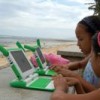
PHILIPPINES: Island Kids Get Connected
In a remote island community where fishing is the main source of living, one would expect children to be surfing the waves and not surfing the net.EDUCATION-CUBA: The Sharp Edge of Change
Tougher entrance exams for higher education, to be applied in the next academic year in Cuba, are worrying families who see getting into university as a major achievement for their children.U.N. Intensifies Campaign Against Female Genital Mutilation
The United Nations is intensifying its global campaign to eliminate one of the most widely-condemned religious and cultural rituals in the world today, mostly in Africa and Asia: female genital mutilation/cutting (FGM/C).U.S.: Super Bowl Draws Fans, and Human Traffickers
This weekend, thousands of people will temporarily migrate to Arlington, Texas, to attend U.S. football's Holy Grail - Super Bowl XLV. They expect to watch the game between the Pittsburgh Steelers and the Green Bay Packers, and to enjoy a performance by the Black Eyed Peas during half-time.JAPAN: New Law May Protect Children from Abusive Parents
For years, Toshikazu Takahashi, director of the sixty-year-old St. Francis Children’s Home child care facility, has grappled with the difficult of issue of protecting battered children from their abusive parents.
COTE D’IVOIRE: Protecting Public Health Despite Political Impasse
The political stand-off between Alassane Ouattara, certified by the United Nations as winner of Nov. 28 elections, and the incumbent president, Laurent Gbagbo, who has refused to step down, is stretching into its eighth week.
MIDEAST: Oasis of Peace Blossoms, To An Extent
"Once upon a time," the educator tells Jewish and Arab five-year-old children, "a plant laid dormant, holding its life on the darkness around it, beholding the night. Butterflies, flowers and leaves, their caress, were laid to rest. Dewdrop beads, tears in an ocean of hopelessness, enchanted the plant that grew and grew into a strong tree, into an oasis of peace in a land of conflict", into a community of two peoples, Jews and Palestinians.
SWAZILAND: Free Primary Education – If You Can Afford It
The new school year opened with hope - and hunger - in Swaziland this week: an estimated 140,000 orphans and vulnerable children are among the small, eager faces in the mountain kingdom's classrooms. Poverty and the AIDS pandemic threaten to make an early mark on the next generation.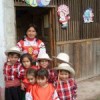
Malnutrition Has an Indigenous Face in Peru
Indigenous children under five in Peru's highlands regions still bear the brunt of chronic malnutrition, even though local authorities in those areas received millions of dollars worth of taxes between 2006 and 2010 from the mining companies operating there.Health System Failing Nigeria’s Youngest Citizens
Despite some progress, Nigeria is lagging behind its peers in reducing deaths among children under five. The mortality rate remains worryingly high for newborn infants - 700 children less than 28 days old die in the country every day.China Moves to End ‘Modern Slavery’
Authorities in remote Xinjiang province rescued a group of mentally ill men last month. The men had been sold by a shelter operator and forced to work in a factory. The rescue shone a light on the darkest side of China’s rapid economic growth – slavery.
MIDEAST: Gaza’s Children Dare to Dream
Despite the lingering trauma of living under siege, regular Israeli military attacks and the consequences of a bloody war several years ago, Gaza’s children still dream of happiness and of normal lives.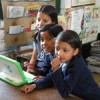
INDIA: 100-Dollar Laptops Bring In Distant Kids
Responding to the lack of computer training in Mukteshwar’s schools, Veena Sethi, a retired Delhi University professor, set up two used personal computers in the basement of her home with the aim of bringing the basics of computing to school children.HEALTH: The Silent Killer that Continues to Claim Children’s Lives
Medical experts have warned that malaria and HIV have monopolised interventions geared towards curbing child mortality in Kenya, thus ignoring the equally deadly killer, diarrhoea. This disease has silently claimed the lives of hundreds of children every year.
The Peace Dividend in South Sudan
This is the story of Francis Odong, a southern Sudanese man from Eastern Equitoria state.Student Drop Out Rate on the Increase Despite Free Education
2010 will go down in history as the year when the first batch of pupils to benefit from the government’s introduction of free primary education sat for their Kenya Certificate of Primary Education (KCPE).
HEALTH-INDIA: Vitamin A Doses Keep Child Malnutrition Away
With three small children to raise in a dirt-poor village in eastern India’s Bihar state, farm labourer Renu Devi is an unsung rural supermom who shuttles between home and field every day.
NEPAL: Education Shouldn’t Be A Casualty in Emergencies
Nepal may be doing well in providing complete primary education to boys and girls, but has quite a bit of catching up to do when it comes to ensuring that their schooling does not become a casualty during disasters and emergencies.
Culture Vulture Kids on Argentine TV
A public children’s television channel broadcasting high quality fiction, animation and documentary programmes designed by the Argentine Education Ministry for the two-to-12 age range can now be viewed elsewhere in Latin America via the internet.« Previous Page — Next Page »


The Week with IPS

NEXT STOP - SDGs
Tracking global progress towards a sustainable world
Tracking global progress towards a sustainable world
