Languages
Monday, October 12, 2026



News and Views from the Global South
IPS UN Bureau Report

NGOs on a Virtual Blacklist at UN High-Level Meetings of World Leaders
When the high-level meeting of over 150 world political leaders takes place September 22-30, thousands of non-governmental organizations (NGOs) and their accredited UN representatives will either be banned from the UN premises or permitted into the building on a strictly restricted basis-- as it happens every year.
Africa Calls for Homegrown Climate Solutions in Just Transition
African climate negotiators and civil society organizations at the second Africa Climate Summit (ACS 2) have called on governments to include sustainable farming approaches and other Africa-led solutions in their revised Nationally Determined Contributions (NDC) and National Adaptation Plans (NAP) ahead of COP 30, as the only way to have their priorities on the global climate negotiation agenda.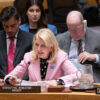
UN Warns of Escalating Humanitarian Emergency in Haiti As Armed Gang Violence and Aid Deepen Crisis
In recent months, the humanitarian crisis in Haiti has taken a considerable turn for the worse, with armed gangs continuing to exert dominance over nearly 90 percent of the capital, Port-Au-Prince. Rising violence, the collapse of essential services for millions, and severe cuts to humanitarian funding have left the international community struggling to provide immediate relief and find a sustainable, long-term solution.
Experts Launch a Climate and Health Curriculum for African Negotiators Ahead of COP30
Despite climate change being a health risk multiplier, health is often underrepresented in climate negotiation processes. Experts attribute this to a lack of funding by the African governments and a lack of capacity building among climate negotiators.
Afghanistan’s Overlapping Crises Deepen Following 6.0 Magnitude Earthquake
Over the past week, Afghanistan’s humanitarian situation has deteriorated significantly following the August 31 earthquake, which measured over 6.0 in magnitude and caused an immense loss of life and widespread destruction of critical infrastructure. Compounded by the nation’s fragile economy, severe shortages of essential resources, and persistent access challenges, humanitarian organizations have found it increasingly difficult to reach vulnerable communities—especially women and children.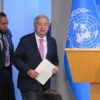
Global Military Spending Shows Misalignment of Priorities, says UN Secretary General
Global military spending has been on the rise for more than 20 years, and in 2024, it surged across all five global regions in the world to reach a record high of USD 2.7 trillion. Yet, such growth has come at the cost of diverting financial resources away from sustainable development efforts, which the United Nations and its chief warn puts pressure on an “already strained financial context.”
Nepal Faces Political Crisis after Deadly Gen-Z Protests
Nepal entered into a new era of constitutional and political crisis after deadly protests by the deeply frustrated young generation (Gen-Z). Prime Minister KP Sharma Oli resigned on Tuesday after protests grew out of control.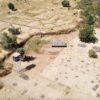
Banks Embed Climate Risk, Gender and Sustainability in Finance Products
As climate shocks intensify across East Africa, from failed rains in Kenya’s arid north to devastating floods in Tanzania’s coastal belt, the region’s banks are emerging as unlikely but powerful players in the resilience race.
50 Years On: Lebanon’s Civil War, Feminist Peacebuilding, and the Fight Against Silence
 This year marks half a century since the start of Lebanon’s civil war in 1975 - a conflict that lasted 15 years, killed over 150,000 lives, and resulted in as many as 17,000 missing. Decades later, the legacy of that war is still everywhere: in the silence of classrooms without history books, in families who never knew what happened to their missing loved ones, and in violence made mundane in all parts of society.

Is Western Support for Israel Beginning to Crumble?
When the high-level meeting of over 150 world leaders takes place at the United Nations, September 22-30, one of the political highlights would be the announcement by at least 10 Western nations to recognize Palestine as a sovereign nation state. The 10 countries-- some already announcing their recognition ahead of the UN meeting -- include UK, France, Canada, Australia, Portugal, Malta, Belgium, Spain, Ireland and Norway-- proving the longstanding support for Israel is gradually diminishing in the Western world.
UN Mobilizes Amid Cascading Earthquakes in Eastern Afghanistan, Aiming to ‘Build Back Better’
United Nations aid organizations are rallying after a series of earthquakes and powerful aftershocks wreaked unprecedented havoc across eastern Afghanistan—particularly in the mountainous provinces of Kunar and Nangarhar.
Kerala’s Human-Elephant ‘Conflict’: Time To Understand a Complex Relationship
In the early part of this year, two deaths in Kerala garnered major media attention. A farmer in Wayanad and a female plantation worker in Idukki were killed in two separate events, within a matter of a few days, by wild elephants. Arikomban, another wild elephant, has become a media favorite recently due to his brushes with human settlements near his habitat. Named so because of his love for ari (rice), the elephant had been relocated from Kerala to Tamil Nadu in 2023 following constant protests from people who also claimed him to be ‘life-threatening.’ Kerala's news outlets widely covered Arikomban's relocation.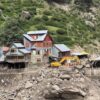
‘Tell Us When the Next Storm Will Come’—Human Stories From Kashmir’s Deadliest August
The relentless rain that battered the mountains and valleys of Jammu and Kashmir this August shattered lives and records.
Climate Change is Deepening Child Poverty in Latin America and Caribbean
2025 has been marked by a significant escalation of the climate crisis and its effects on vulnerable populations, as the World Meteorological Organization (WMO) warn that average global temperatures could exceed the 1.5°C threshold within the next five years. In Latin America and the Caribbean, rising temperatures and emissions continue to strain access to essential services and deepen poverty, particularly among children.
Iconic World Heritage Sites Threatened by Water Risks as Climate Change Marches On
From Zimbabwe's 'The Smoke that thunders,' Victoria Falls, to the awe-inspiring Pyramids in Egypt and the romantic Taj Mahal in India, these iconic sites are facing a growing threat - water risk.
One in Four People Lack Access to Clean Drinking Water: UNICEF, WHO Warn of Deepening Disparities
Over the past decade, major strides have been made in expanding global access to water, sanitation, and hygiene (WASH) services, with billions of people around the world seeing improvements in overall health and well-being. Despite these gains, people largely from low-income countries and marginalized groups still lack access to clean water, leaving them vulnerable to disease and hindering social development and inclusion.
From Matriarchy to Victims: An Ongoing Story of Indigenous Women in Canada
If European colonialism had never happened in Canada, matriarchy would still have been strong in Indigenous culture.
UN General Assembly Urged to Temporarily Move to Geneva to Circumvent US Visa Denials
When Yasser Arafat, leader of the Palestine Liberation Organization (PLO) was denied a US visa to visit New York to address the United Nations back in 1988-- under the Ronald Reagan administration-- the General Assembly defied the United States by temporarily moving the UN’s highest policy making body to Geneva– for the first time in UN history– providing a less-hostile political environment for the PLO leader.
UN Reforms Include “Painful Staff Reductions”—and Forcible Return to Home Countries
The 193-member General Assembly, the UN’s highest policy-making body, will make the ultimate decision on the proposed UN restructuring, which will include staff cutbacks, merging or eliminating of departments and relocating UN agencies from high-cost to low-cost locations.
DRC: Reforesting Sites Once Used by War Displaced People
The Youth Circle for Nature Conservation and Community Development is working toward the reforestation of sites where displaced people lived near the town of Goma.
‘Israeli Offensive in Gaza City an Existential Threat to the Two-State Solution’
Ahead of the Security Council meeting on the situation in the Middle East, United Nations Secretary-General António Guterres spoke to the press on the “unfolding tragedy that is Gaza,” calling Israel’s new plans to take over Gaza City with the military a “deadly escalation” and an “existential threat to the two-state solution.”« Previous Page — Next Page »





The Week with IPS

NEXT STOP - SDGs
Tracking global progress towards a sustainable world
Tracking global progress towards a sustainable world
