Languages
Sunday, November 8, 2026



News and Views from the Global South
Millennium Development Goals (MDGs)
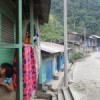
PERU: Jungle Residents Weigh Mega-Dam’s Promises and Pitfalls
In southeastern Peru, a message is circulating that has left some dubious, and others hopeful: "The Inambari hydroelectric dam will end illegal mining and coca crops, and bring development and jobs."Liberian Women Find Their Voice
"Voice for the voiceless" is the slogan adorning the walls of Liberia’s first and Africa’s second radio station for women.
Hope for Expanded Protection Against TB
Despite the availability of a vaccine, 1.3 million people worldwide died from tuberculosis (TB) in 2008, according to the World Health Organisation. Most of them lived in Africa and Southeast Asia.
Abolition of the Death Penalty – New ‘De Facto’ Millennium Goal
Spanish Prime Minister José Luis Rodríguez Zapatero announced Thursday the creation of an International Commission Against the Death Penalty, whose immediate goal is a global moratorium by 2015, to put an end to what he described as the "horror" of capital punishment.Water, Sanitation Gain Traction as Basic Human Rights
When the 47-member Human Rights Council (HRC) affirmed last week that the right to water and sanitation was a basic human right, the consensus resolution was described as a "historic first" for the U.N.’s premier human rights body based in Geneva.
ARGENTINA: Preterm Infants at Centre of Innovative Campaign
"My name is Maximiliano Muñoz. I'm 23 and I'm studying engineering," says the young man smiling into the camera. The television spot is part of an awareness-raising campaign in Argentina on the rights of people born prematurely.
Handheld Computers Speed Up Burundi Food Aid
Aid organisations say a small handheld computer will allow them to more rapidly assess where food aid is needed most urgently. As a result, fewer Burundians will suffer hunger this year.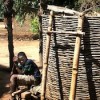
MALAWI: Richer Soil First Defence Against Climate Change
Malawi has directed local government officials to develop local response strategies to the effects of climate change.Funding Falls Short for Global Fight Against AIDS
The 11.7 billion dollars pledged Tuesday to replenish the Global Fund to Fight HIV/AIDS, Tuberculosis and Malaria for the coming three years falls significantly short of the 20 billion dollars hoped for, threatening to undo the progress made in the fight against these diseases - the three largest infectious killers in the world.WATER-ZAMBIA: Vanished Funds Mean Fields Stay Dry
The M’cheleka Irrigation Scheme was meant to answer water and food security challenges in the Chadiza district of Zambia's Eastern Province. But ten years after the completion of the dam wall, only six families are benefiting from the water.Free Trade Threatens Affordable HIV Treatment
With India's role as 'pharmacy to the developing world' seriously threatened by a free trade agreement to be signed with the European Union in December, the fate of cheap or free antiretroviral treatment for people living with HIV and AIDS hangs in balance.
PHILIPPINES: Over Decades, Child Poverty Hasn’t Changed Much
His bones pushing against his skin, Lean Ray Francisco has been feeding on rice coffee, or coffee made from roasted rice, and rice water - left over from boiling rice - for most of his three years.DEVELOPMENT: Fate of Millions Hangs on Global Fund Pledges
Sibongile Mavimbela has been living with HIV for the past 12 years; she has been on antiretrovirals for the past seven. But the mother of two fears the supply of free ARVs could dry up in the near future if contributions to the Global Fund on HIV/AIDS, TB and Malaria fall short of the $20 billion needed to meet development targets.Land Reform, a Top Priority of New Colombian Government
Although many believe it's a mission impossible, the Colombian government of Juan Manuel Santos is prepared to use all necessary resources to return their land to some four million peasants displaced by the war, and guarantee intensive use of the country's arable land, as part of an ambitious agricultural policy.Washington Debates PEPFAR Funding Ahead of Global Fund Meet
Global health advocates are strongly urging the Barack Obama administration to remain financially supportive of the fight against HIV/AIDS, amidst fears that economic prudence from the U.S. will reverse encouraging gains.
WEST AFRICA: Black-Eyed Peas Key to Economic Development
The black-eyed pea, commonly known as the cowpea, is the new kid on the block when it comes to improving the welfare of women and their families in West Africa, researchers say.
SOUTH AFRICA: Female Entrepreneurs Forge Their Own Path
At dawn, Fatima Jardine-Millard straps a massive, German-engineered tank to her back and a tray of pastries to her waist, and prepares to cater to groggy motorists immobilised at a traffic light in Johannesburg's chaotic daily commute.AGRICULTURE-UGANDA: Pee Solves a Problem
Faced with a severe decline in soil fertility and low crop production as a result, Ugandan farmers have turned to human urine to improve the richness of their soil.AFRICA: Customary Law Bars Women’s Access to Land
Regina Namukasa has been twice dispossessed – first when her husband died and his clan left her out when dividing up his estate, and again when she was denied a share in her father's land. But this time she's fighting back.Retraining Rwanda’s Traditional Birth Attendants
Two years spent training traditional birth attendants in remote rural areas has allowed Rwanda to reduce the country's maternal mortality rate, says the country's health department.RIGHTS: U.S. in the Hot Seat for Universal Periodic Review
Every year since 1976 the United States has unilaterally passed judgement, through the State Department, on the human rights situation in some 190 countries. The 5,000-page reports sent to Congress each March regularly rouse angry responses from some of the nations assessed.« Previous Page — Next Page »





The Week with IPS

NEXT STOP - SDGs
Tracking global progress towards a sustainable world
Tracking global progress towards a sustainable world
